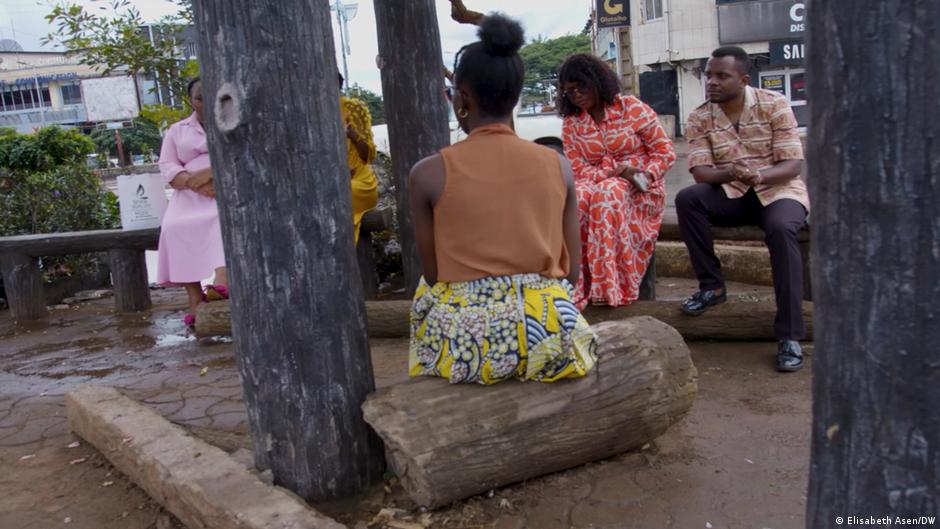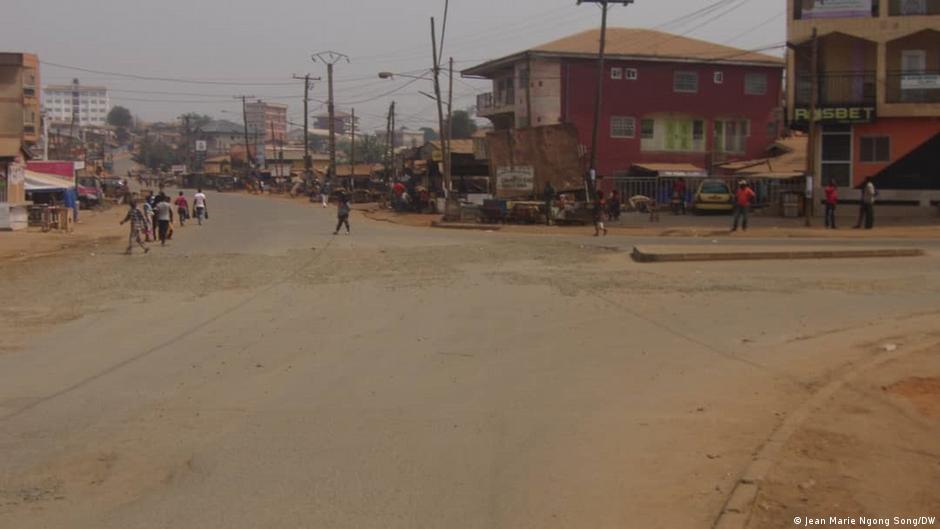
In a bustling street in Dakar, K. blends seamlessly into the crowd. He walks briskly, phone in hand, exchanging greetings with acquaintances. On the surface, nothing seems amiss. Yet every move is deliberate. “You have to know how to protect yourself here,” he admits.
Navigating a landscape of fear
K. is gay. In a country where homophobia runs deep, simply existing is a challenge. The recent wave of arrests targeting homosexuals has only intensified the climate of fear. In February, a French national in his thirties was detained in Dakar during a crackdown on LGBTQ+ individuals. Charged with “unnatural acts,” criminal association, money laundering, and attempted HIV transmission, his case reflects the harsh realities faced by those targeted by the new legislation.
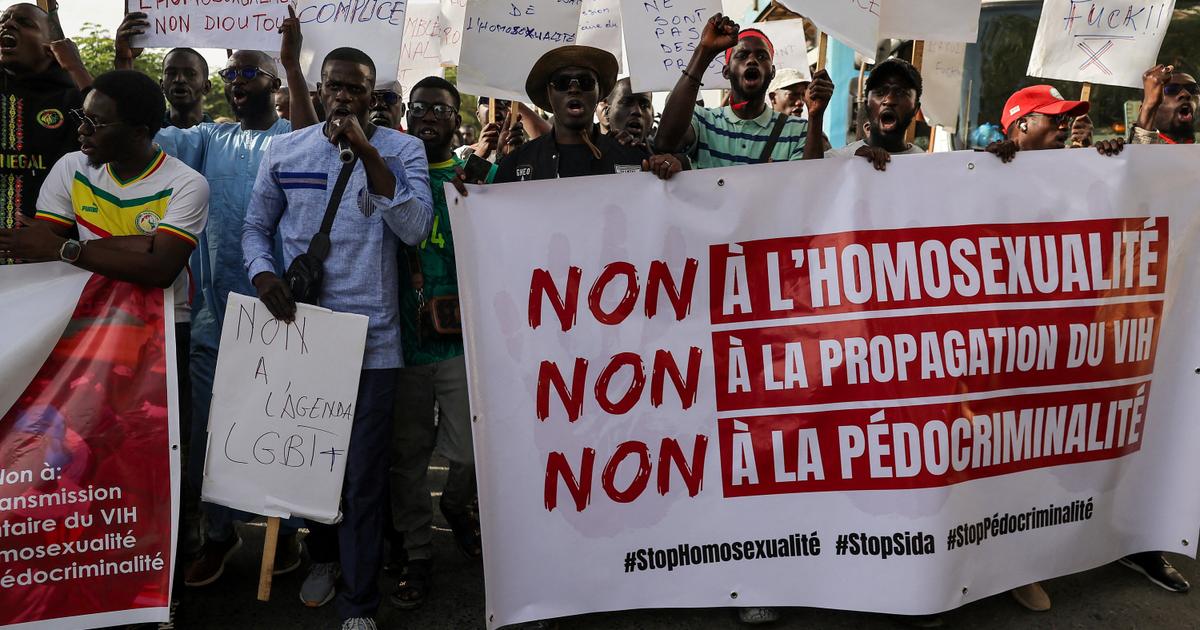
The arrests coincided with parliamentary debates on a law passed in early March, imposing prison sentences of five to ten years for same-sex relations. Since its adoption, dozens of arrests have been reported daily, signaling a sharp escalation in state-sanctioned repression. While France has reiterated its commitment to universal decriminalization of homosexuality and condemned the discriminatory measures, diplomatic sources confirm that the French embassy in Dakar is closely monitoring the situation, ensuring consular access for affected individuals.
Everyday acts of defiance
In Dakar’s neighborhoods, survival often hinges on reading between the lines. K. has learned to decipher silences, glances, and unspoken warnings. “You quickly learn what you can and cannot say.” Like many, he adjusts his behavior, compartmentalizing different aspects of his life. Homosexuality remains heavily stigmatized, and the consequences are tangible.
In a discreet apartment, M. speaks in hushed tones, instinctively glancing at the door. His story is unremarkable—precisely the problem. At work, certain topics are avoided. Within his family, he plays a role. “I know what I can say and to whom.” This careful navigation has become second nature.
Yet, in safer spaces, conversations flow. Support groups gather, discussing lived experiences, rights, and dignity—not always openly, but enough to keep hope alive. For M., resistance lies in a simple refusal: to accept that his life is illegitimate.
Silent solidarity in a hostile environment
Awa, an emergency nurse, refuses to judge. In her health center, she has noticed a disturbing trend: patients who once sought care now stay away. Some arrive too late. Others conceal critical information. “It complicates everything,” she says. Though she doesn’t see herself as an activist, her refusal to perpetuate stigma carries weight in a climate where neutrality is itself an act of defiance.
In another district, I. recalls a neighbor falsely accused of homosexuality. Rumors escalated swiftly, followed by violence: insults, threats, and social ostracization. “I realized it could happen to anyone,” he reflects. Since then, he listens more closely—and sometimes intervenes, not confrontationally, but with a remark or a question. Small acts, but not insignificant.
The quiet power of individual choices
Aminata, a university student, refuses to stay silent. When confronted with hateful remarks, she calmly responded, “Everyone should live their own life.” The stunned silence that followed left a mark. “It unsettled people,” she recalls. Such moments may not change everything, but they chip away at ingrained prejudices.
Renowned Senegalese author Fatou Diome often emphasizes that societies are never static. They evolve, sometimes imperceptibly. Thinking independently, she argues, is itself an act of courage. Writer Mohamed Mbougar Sarr, winner of the 2021 Goncourt Prize, views literature as a space for questioning dominant narratives and challenging certainties.
Resistance in Senegal does not always take the form of organized movements. It thrives in the interstices—professional practices, friendships, and even silence. Some refuse to amplify hate. Others offer protection, listen, or accompany those in need. These gestures may seem small, but they create fragile yet real spaces for dignity. At its core, the message is clear: every individual deserves respect. It’s a simple idea, but one that is far from universally upheld.
K., M., Awa, Aminata, I., and many others may not identify as activists, yet their choices matter. Slowly, they shift boundaries. Courage here is not loud or dramatic. It is quiet. It is daily. And it is often invisible.