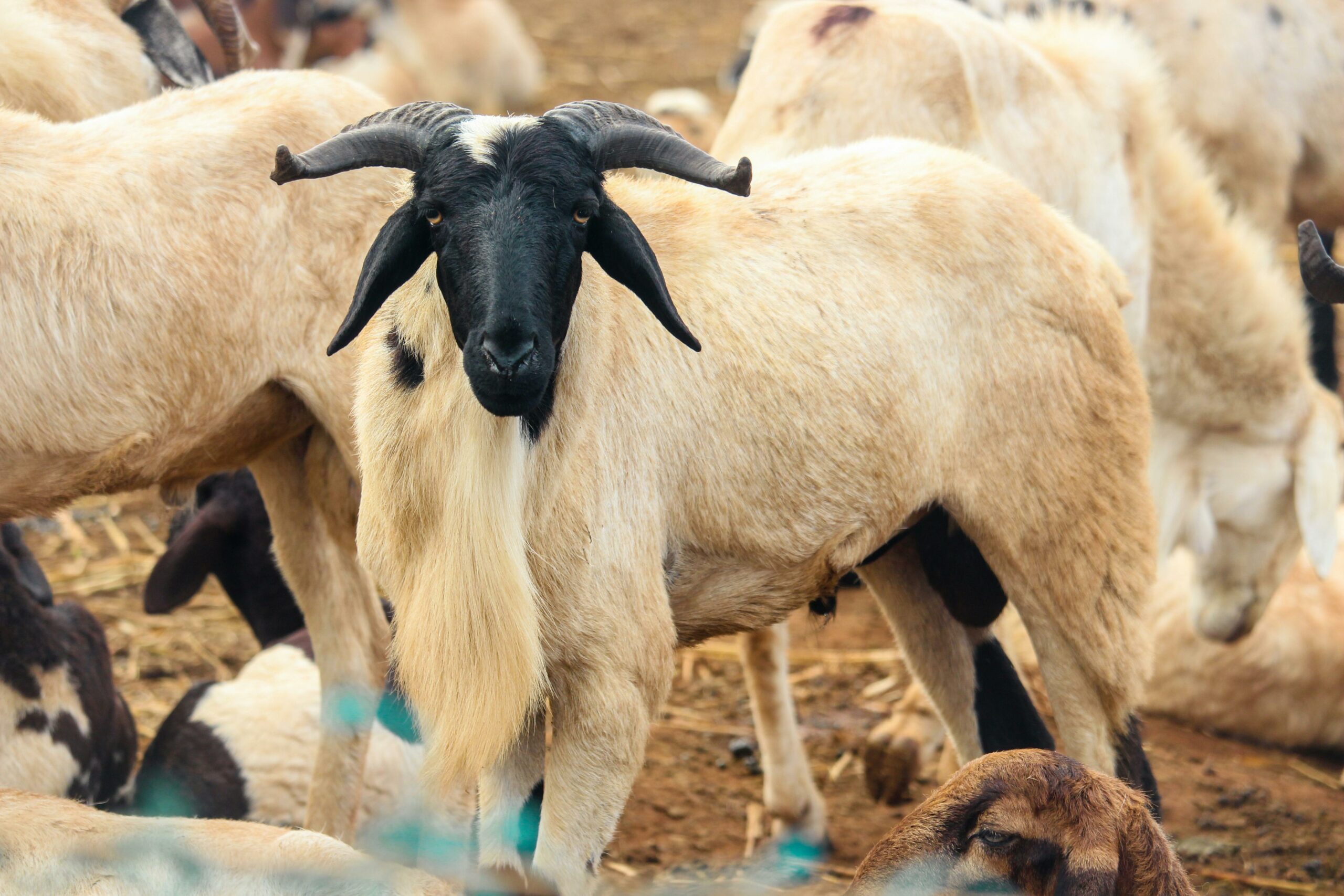
The Tabaski sacrifice: how Senegalese families drown in debt for a single sheep
Every year, Senegalese families plunge into debt cycles to afford a sheep for Tabaski—transforming a religious tradition into a financial burden that stretches wallets to the breaking point. While Morocco found a solution decades ago, Senegal continues to grapple with this costly social expectation.
Two weeks before Tabaski, the anxiety spreads through Dakar’s neighborhoods—from the bustling Almadies to the quiet corners of Sacré-Cœur. The price of a sheep has jumped again. Yesterday’s 120,000 FCFA animal now costs 150,000, and the ‘prestige’ sheep—those destined for Instagram fame—can reach 300,000 FCFA or more.
‘How will I ever come up with this money?’ The question haunts fathers across the city, a recurring nightmare tied to one of Senegal’s most sacred traditions. What began as an act of faith has morphed into a high-stakes social ritual—one that demands every family present a sheep, no matter the cost.
From ritual to financial trap: the modern Tabaski economy
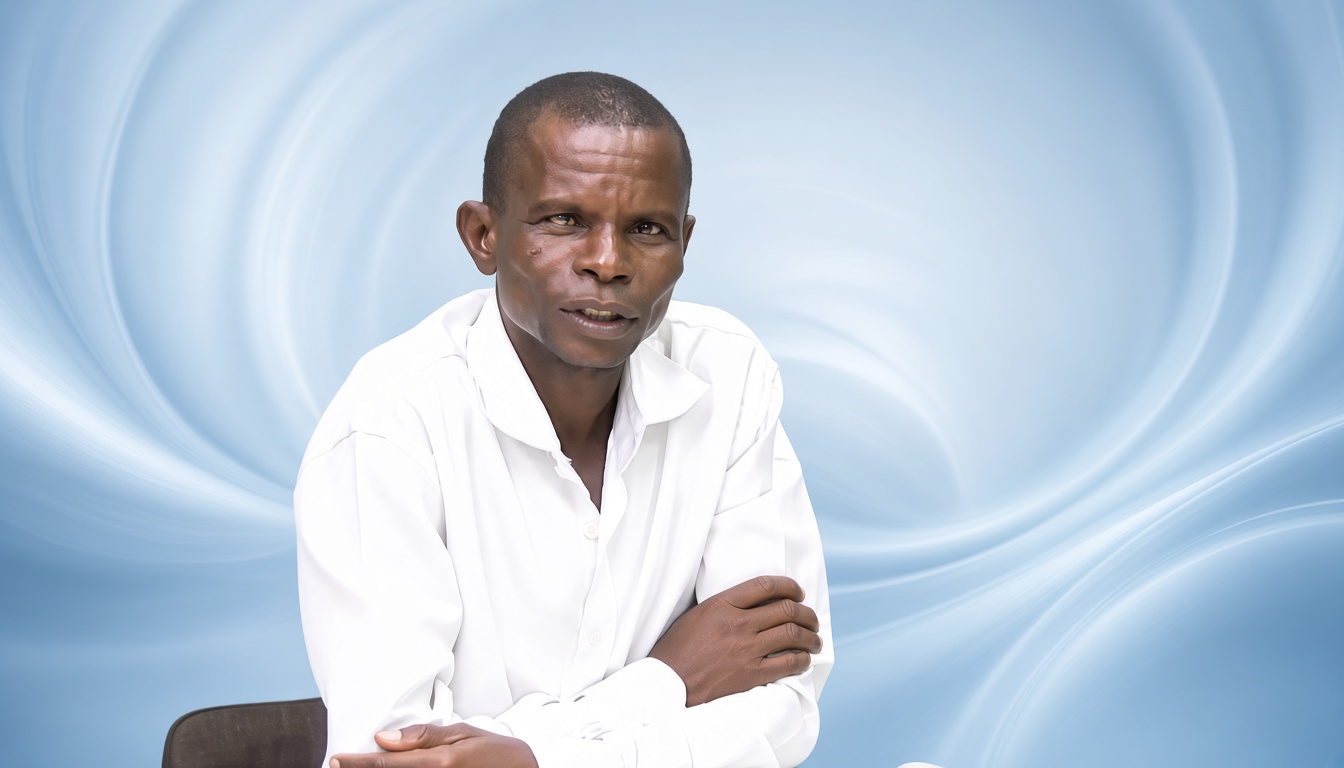
Meet Mamadou Sall, a Sacré-Cœur resident earning 60,000 FCFA a month. By May, his monthly budget is already under siege. By July, he must somehow scrape together 150,000 FCFA—not to feed his family for a week, but to fulfill a cultural obligation. A sheep isn’t just meat; it’s a symbol of respect, status, and familial pride.
Banks won’t lend for Tabaski. So Mamadou turns to his local tontine. There, he borrows 150,000 FCFA—but at what cost? During Tabaski season, tontine interest rates can skyrocket to 30% or even 50% annually. On a 150,000 FCFA loan, that means immediate fees of 3,750 to 6,250 FCFA, plus a year-long repayment plan.
Mamadou isn’t alone. Between 35% and 45% of all microfinance loans in Senegal during Tabaski season are for sheep purchases. Nearly one in two credit requests during this period is for an animal that will be consumed within days.
How sheep prices spiraled out of control
In 2010, a decent sheep cost 60,000 to 80,000 FCFA. Today, prices hover between 150,000 and 250,000 FCFA—a surge of 87% to 275% in just 15 years. This inflation isn’t tied to general price increases in Senegal. It’s fueled by concentrated demand over two months. Tabaski demand is inelastic: families feel they must buy, no matter the price. Breeders and middlemen know this—and they’ve capitalized.
The national minimum wage in Senegal stands at 60,239 FCFA per month. To buy a 150,000 FCFA sheep, a minimum-wage worker must dedicate two and a half full months of salary. And that’s before accounting for Tabaski’s other expenses: new clothes, festive meals, gifts. For the 60% of Senegalese living below the poverty line, this is an impossible burden without debt.
Who’s borrowing—and how much?
During Tabaski 2024, Senegal’s microfinance sector saw a 62% spike in loan applications compared to ordinary months. The average request ranged from 120,000 to 200,000 FCFA. For two months a year, Senegal’s credit market transforms into a high-interest pressure cooker.
The hidden cost of debt: what families sacrifice
Households that take Tabaski loans cut food and healthcare spending by 18% to 25% in the three months following the holiday. School fees go unpaid. Essential medicines go unbought. The true cost of Tabaski isn’t just the sheep—it’s the months of deprivation that follow.
Worse still: agricultural credit meant for seeds and fertilizer is being diverted. Between 8% and 12% of Senegal’s agricultural loans are redirected to Tabaski sheep purchases. A farmer who could have boosted next season’s harvest by 30% ends up spending their credit on social appearance. When the next farming cycle arrives, they’re left with nothing.
How Morocco solved it—and why Senegal hasn’t
In 1999, Morocco’s leadership made a bold decision: every Moroccan family eligible for social aid would receive a sheep for Tabaski—not as charity, but as a right. The goal? To ensure that a religious celebration wouldn’t be held hostage by market forces.
Since then, Morocco has distributed over 2.8 million sheep via its Zakat Al-Fitr program. The annual cost? Around 450 million Moroccan dirhams—approximately 43 billion FCFA. Compared to Morocco’s national budget, this represents less than 0.1% of total spending. A small price to ensure no family has to choose between faith and financial ruin.
Morocco recognized a harsh truth: a religious festival that only the wealthy can afford isn’t truly a religious festival—it’s a social hierarchy masquerading as tradition. By treating Tabaski as a public good, Morocco shifted the burden from individual wallets to collective responsibility. Senegal has yet to follow suit.
The social media trap: why prestige sheep are breaking the bank
A 2023 study by Cheikh Anta Diop University found that 67% of young adults in Dakar feel intense social pressure to buy a sheep for Tabaski. Almost half of them cite social media as the main source of that pressure. Influencers showcase lavish Tabaski celebrations. WhatsApp groups buzz with comparisons of who bought the biggest, most photogenic sheep.
This digital peer pressure hits hardest in low-income households. In Senegalese culture, it’s the man’s responsibility to provide the sheep. Failing to do so isn’t just about money—it’s about shame. About being seen as incapable. About losing respect in the community. The fear of judgment drives families deeper into debt, even when they know it’s unsustainable.
The mental health toll: anxiety peaks before Tabaski
The Dakkar Mental Health Research Center documented a disturbing pattern in 2022. Calls to mental health hotlines surge dramatically three weeks before Tabaski. Among men aged 30 to 55, the volume of calls doubles. The dread of not affording a sheep, the shame of perceived failure, the weight of societal expectations—these pressures manifest in real mental health crises.
Why Senegal lacks a solution
The crisis stems from two intertwined forces. First: the rise of ostentatious consumption. Tabaski is no longer just a religious observance—it’s a display of wealth and status. Social media has amplified this transformation, turning a communal ritual into a competitive spectacle.
Second: the absence of public policy. Senegal’s government has not addressed Tabaski as a social issue. There’s no national debate. No coordinated strategy. Politicians rarely mention it. Media coverage is scarce. Meanwhile, millions of households drown in debt every year.
Mamadou’s phone rings again. Tabaski 2025 is coming. Prices are climbing. Interest rates are rising. The cycle isn’t breaking—it’s tightening.