for decades, may has been synonymous with social and academic upheaval in Senegal. the month begins with may day, the global workers’ day, which amplifies calls for fair labor practices and social justice. this year, the country is once again grappling with significant unrest across multiple sectors, from public transport and infrastructure to higher education.
whether by coincidence or historical resonance, may in Senegal has become a flashpoint for labor strikes, student demonstrations, and political dissent. the timing aligns with decades of protest culture, including the global impact of mai 68—a movement that originated in France before spreading across francophone africa, including Senegal. today, the country’s social fabric is being tested by a wave of grievances from workers, students, and civil servants alike.
transport workers halt operations in dakhar
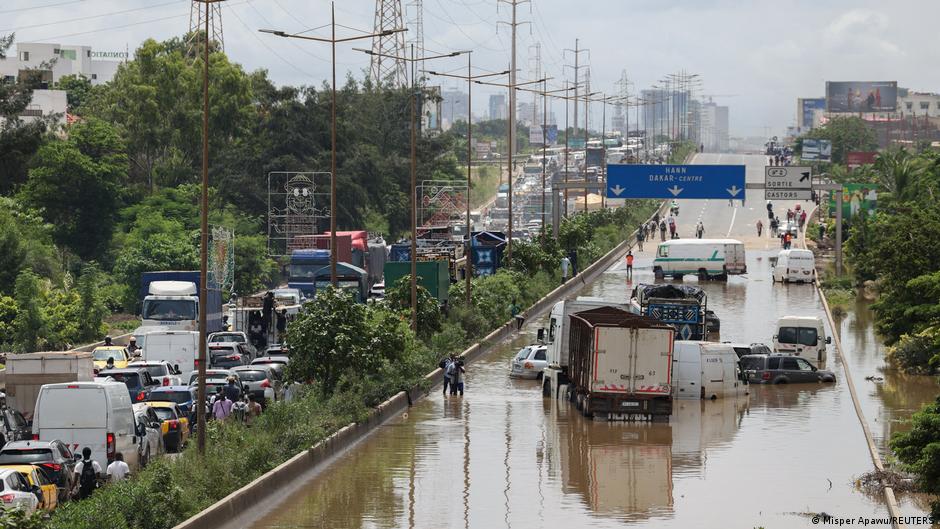
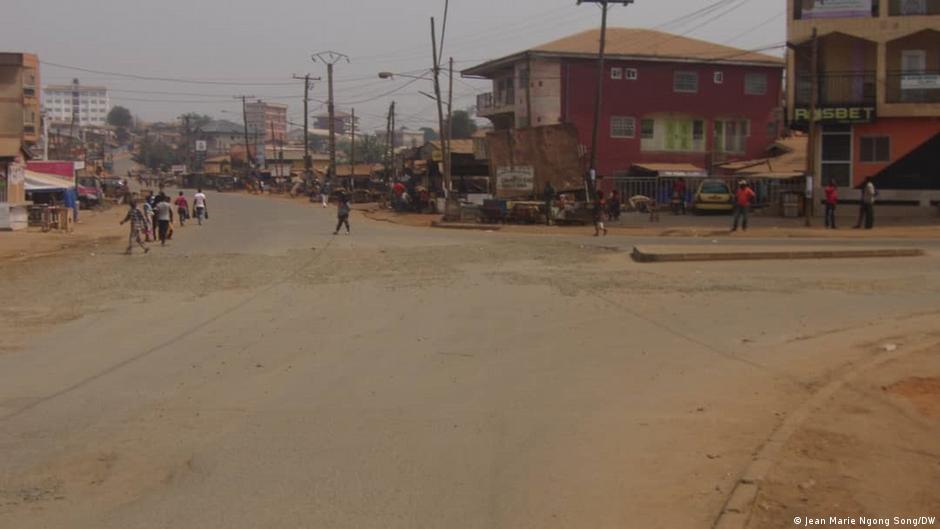
the month began with a paralyzing strike by members of the Association de Financement des Professionnels du Transport Urbain (AFTU), who demanded justice over a dispute with a private transport operator regarding electronic ticketing systems. the tribunal de grande instance de dakhar intervened, suspending the deployment of new ticketing machines and ordering the seizure of existing ones, sparking outrage among AFTU members. the disruption left commuters stranded and highlighted simmering tensions in the transport sector.
ageroute hits by internal strife
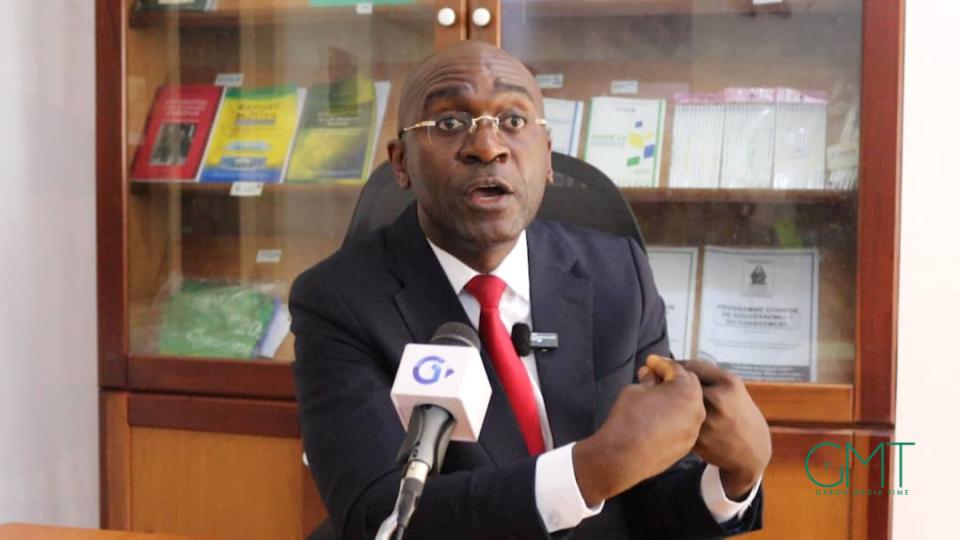
at the Agence des Travaux et de Gestion des Routes (Ageroute), the human resources director, Cheikh Ahmed Tidiane Thiam, publicly criticized the agency’s leadership for poor administrative decisions, including the abrupt dismissal of 23 staff members. his statements underscored a growing divide between management and employees, exacerbating an already tense workplace environment.
university students demand unpaid stipends
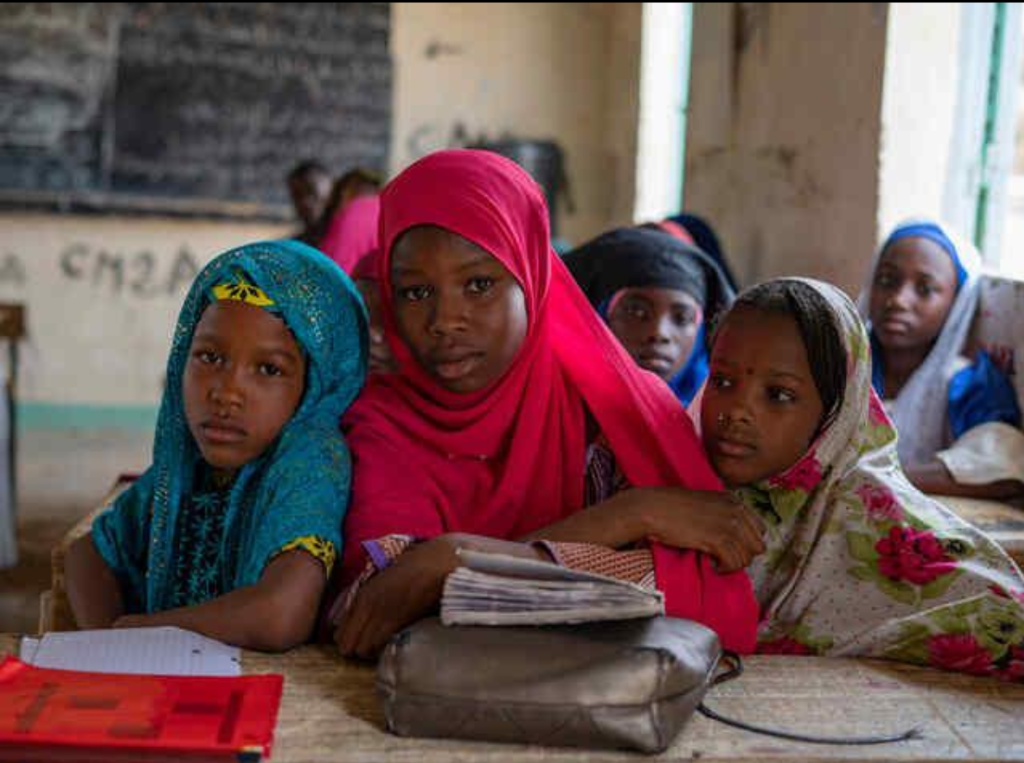
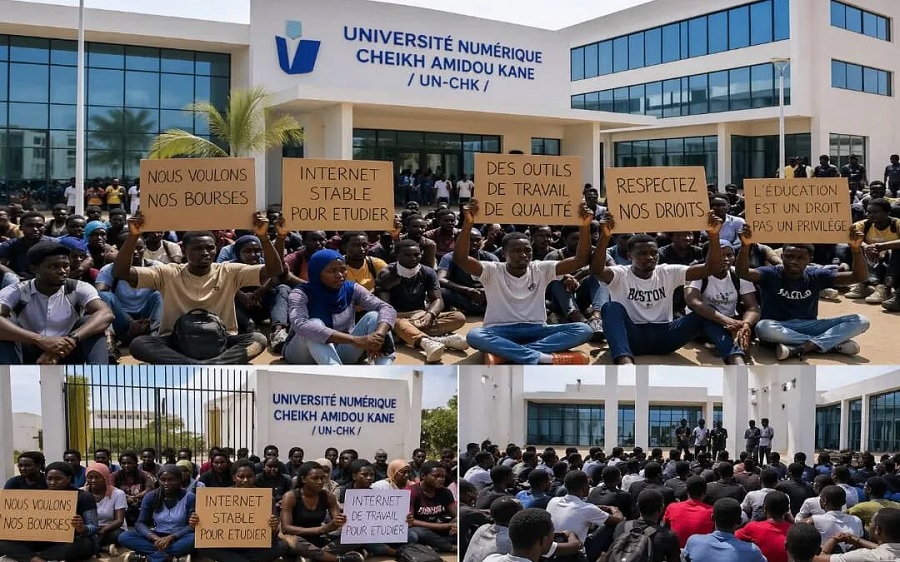
students from the 10th cohort of the Université Numérique Cheikh Hamidou Kane (UN-CHK) have also joined the chorus of dissent, protesting the partial payment of their scholarships. they reported receiving only two years of financial aid out of the three promised for their bachelor’s degree cycle, calling on authorities to resolve the issue promptly.
as may unfolds, the convergence of these protests—spanning labor, education, and public service—paints a vivid picture of a nation at a crossroads. workers, students, and civil servants are raising their voices in unison, demanding accountability and reform. the question remains: will may continue to be a month of disruption, or will it catalyze meaningful change?