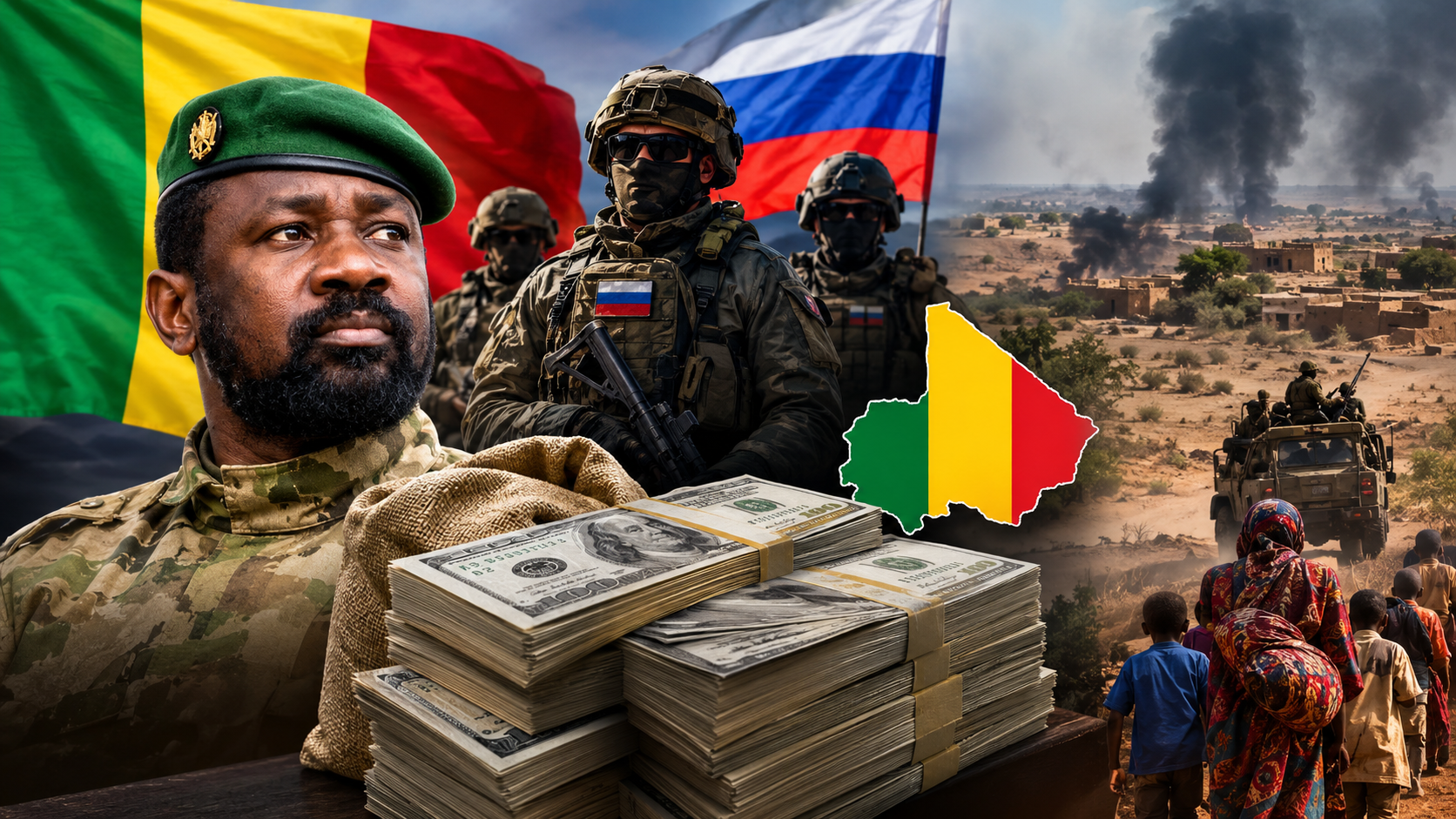
Amnesty International condemns civilian impact of JNIM blockade in Bamako
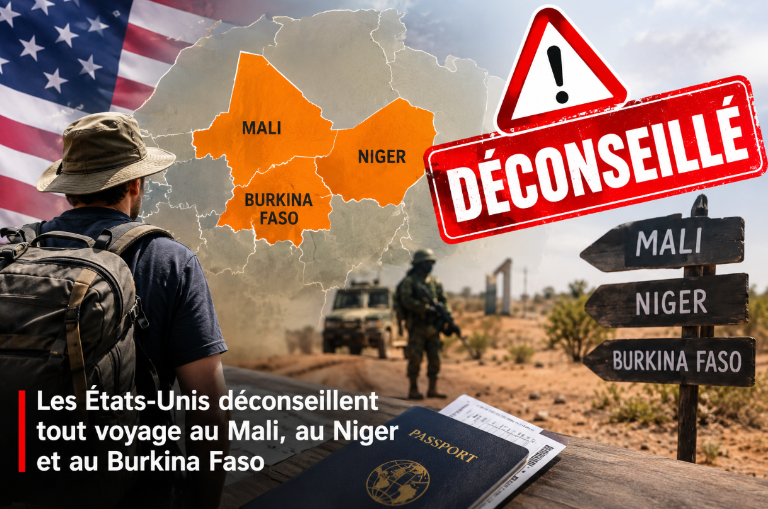
Actus. On May 15, Amnesty International issued a strong appeal to the jihadist Group for the Support of Islam and Muslims (JNIM), urging them to uphold the safety and unrestricted movement of civilians within Bamako. The Malian capital has been under a blockade imposed by the group since April 30, a situation the human rights organization describes as having “unacceptable consequences” for the populace’s freedom of movement.
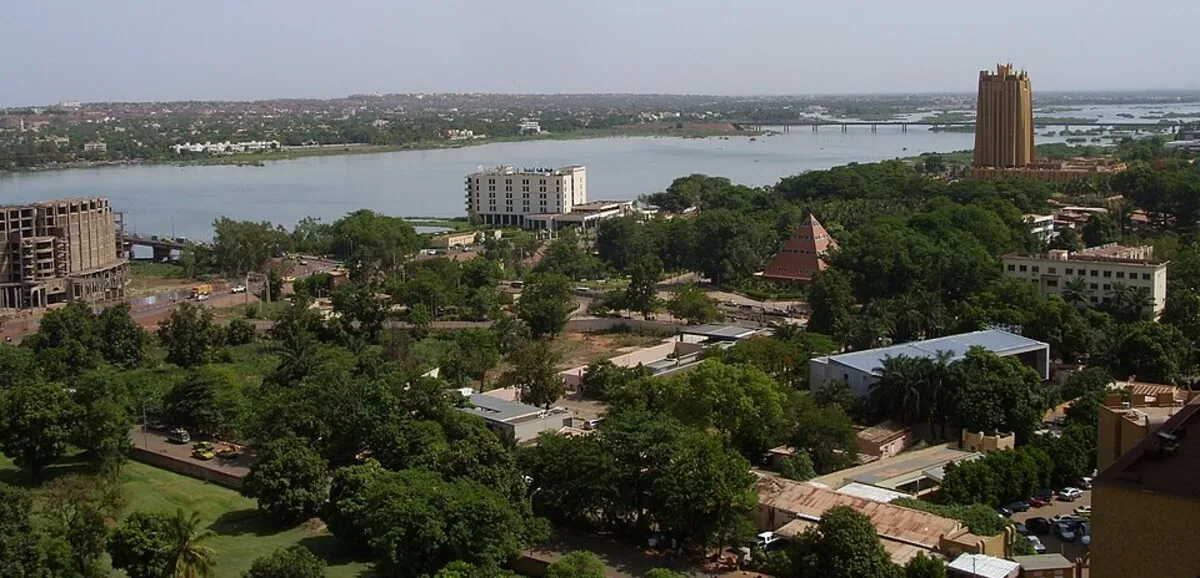
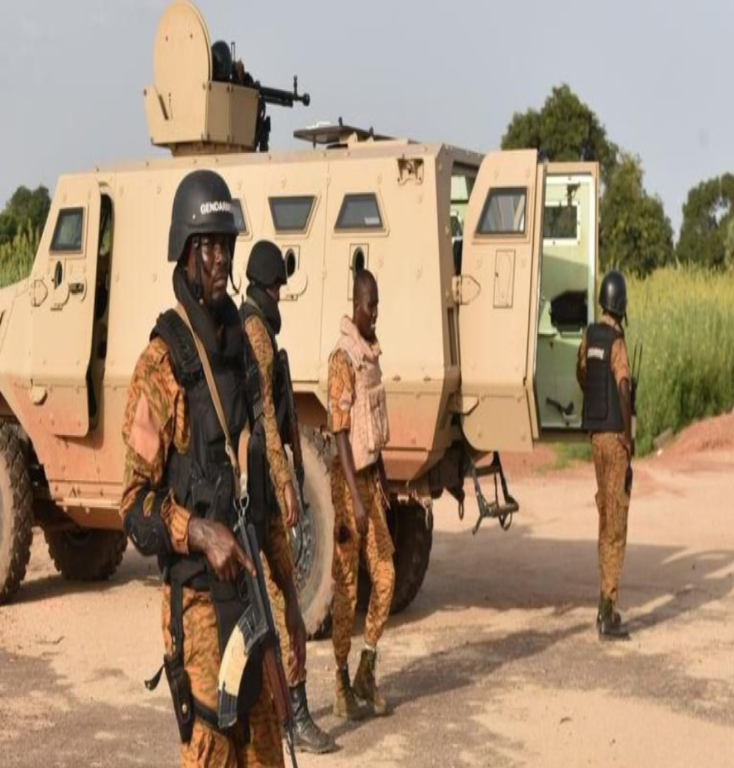
Bamako, Mali’s vibrant capital, has been under a severe blockade by jihadists from the Group for the Support of Islam and Muslims (JNIM) since Thursday, April 30. This critical situation prompted Amnesty International to call on May 15 for the protection of civilian safety and their fundamental right to move freely. This blockade follows a series of coordinated assaults on April 25 and 26, where the JNIM, an affiliate of Al-Qaïda, alongside the Front de libération de l’Azawad (FLA) rebellion, targeted key strategic installations of the ruling military regime across Mali.
The blockade’s “unacceptable consequences” for civilians
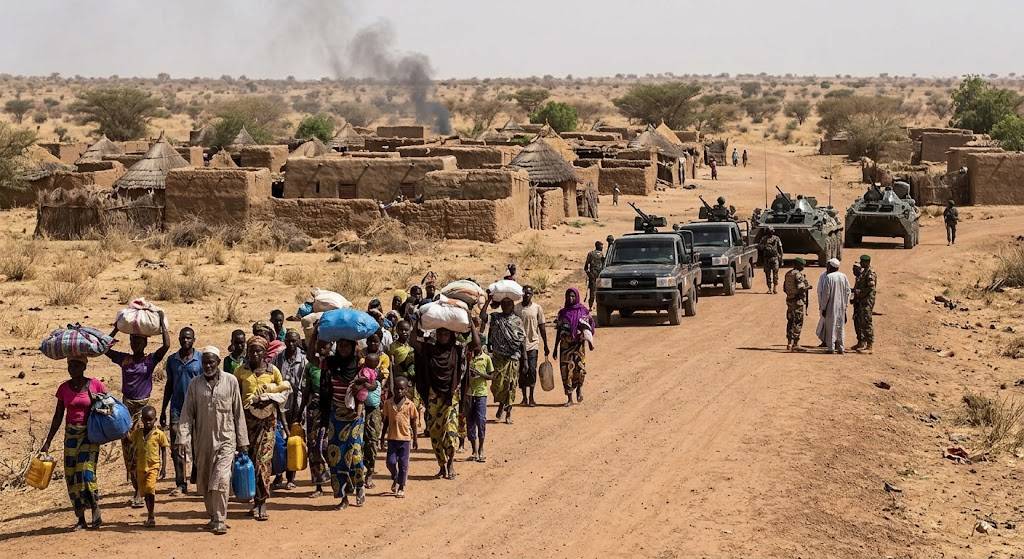
In a formal statement, the human rights organization voiced deep concern over the blockade’s “unacceptable consequences on the freedom of movement for civilians,” warning that such restrictions “could lead to severe infringements upon their rights to food security, health, and even life itself.” Marceau Sivieude, Amnesty’s regional director, emphasized in the communiqué that “assaults on civilian vehicles used for civilian purposes are unlawful. Under international humanitarian law, all factions involved in an armed conflict are obligated to consistently differentiate” between non-combatants and combatants.
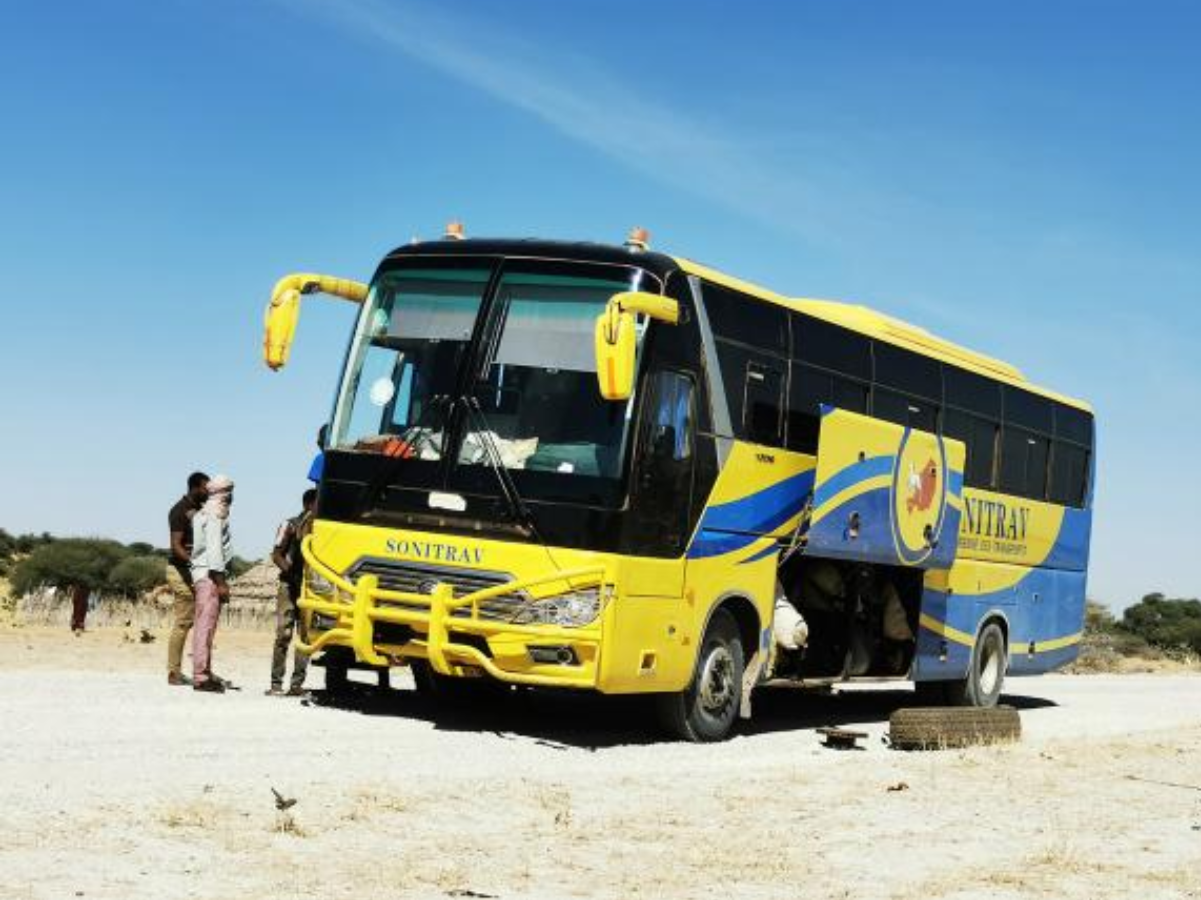
The organization’s statement specifically detailed an incident on Wednesday, May 6, involving an attack on “a convoy of trucks transporting commercial goods, primarily fruits, for civilian businesses between Bamako and Bougouni.” Amnesty highlighted that these vehicles “were not under military escort and carried neither military personnel nor equipment.” Consequently, the ongoing blockade has compelled several transport companies to announce the suspension of their routes originating from and destined for Bamako earlier this week, further isolating the capital.