Mali blocus in Bamako: amnesty international warns of severe civilian impact
Mali: Blocus by JNIM in Bamako triggers humanitarian crisis, warns Amnesty International
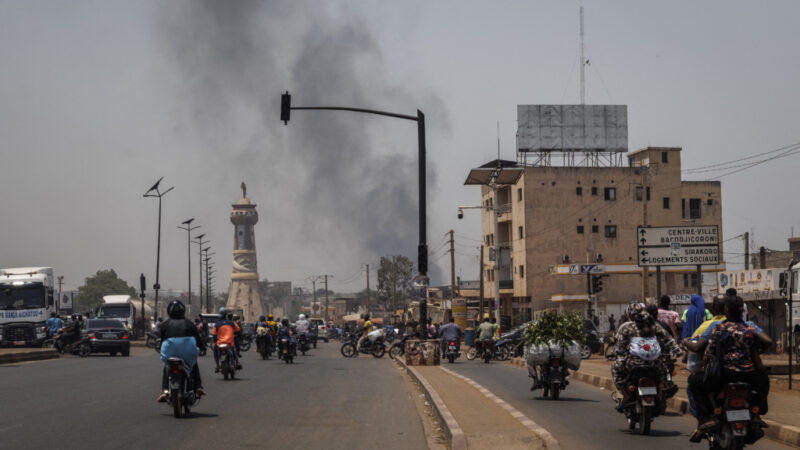
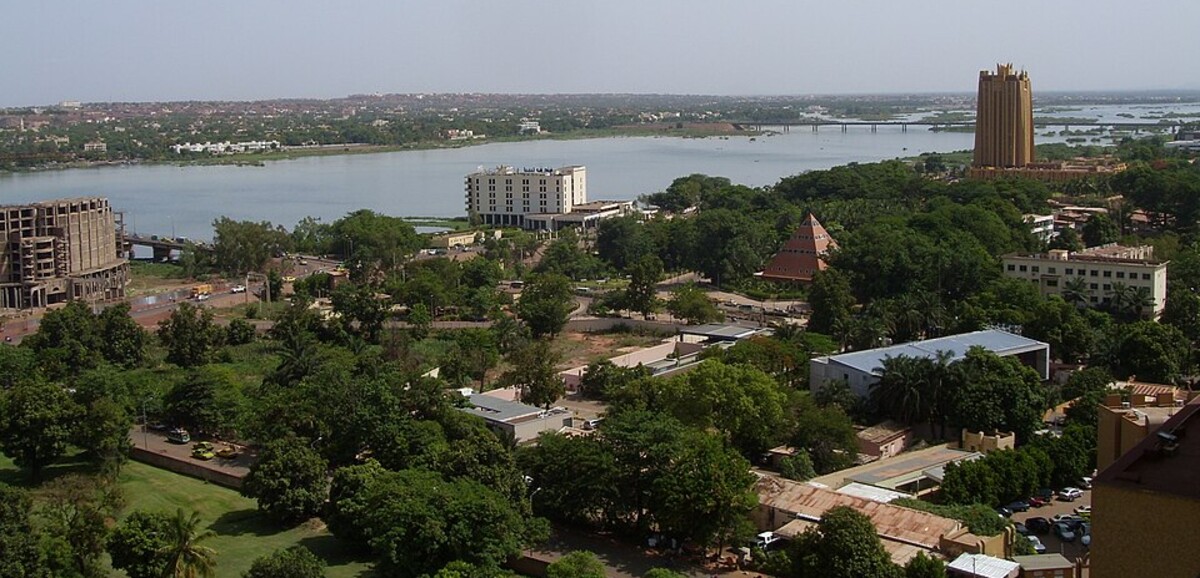
Bamako, Mali’s vibrant capital, has been under siege since April 30, enforced by jihadists of the Group for the Support of Islam and Muslims (JNIM). The blockade has brought civilian life to a standstill, prompting Amnesty International to issue a stern warning on May 15 about the unacceptable toll on residents’ mobility and safety.
Humanitarian fallout: civilians trapped in a warzone
The blockade, launched in retaliation for recent military operations, has crippled supply chains into Bamako. Amnesty International highlighted in its statement the grave violations of civilians’ fundamental rights, including access to food, healthcare, and safe passage. Marceau Sivieude, the organization’s regional director, emphasized the legal obligations under international humanitarian law: “Parties to armed conflict must distinguish between combatants and civilians at all times.”
A targeted attack on civilian logistics
The crisis escalated on May 6 when JNIM militants ambushed a convoy of trucks carrying civilian goods—including fresh produce—on the Bamako-Bougouni route. The vehicles, unescorted and carrying no military personnel or equipment, were deliberately targeted, according to Amnesty’s report. This incident forced logistics companies to suspend transport services to and from the capital, exacerbating shortages in Bamako’s markets.
Broader context: a city under pressure
The blockade follows coordinated attacks on April 25–26 by JNIM, in alliance with Al-Qaeda, and the Azawad Liberation Front (FLA) against strategic military positions held by Mali’s ruling junta. The assaults marked a significant escalation in the conflict, with militants seeking to undermine the regime’s stability. As Bamako grapples with the siege, residents face mounting hardships, from restricted access to essential services to heightened security risks.
What’s next for Bamako?
With no immediate resolution in sight, the blockade continues to strangle the capital’s economy and strain humanitarian conditions. The international community’s response remains uncertain, as calls for dialogue and adherence to humanitarian law grow louder. For now, civilians in Bamako endure the brunt of a crisis that shows no signs of abating.