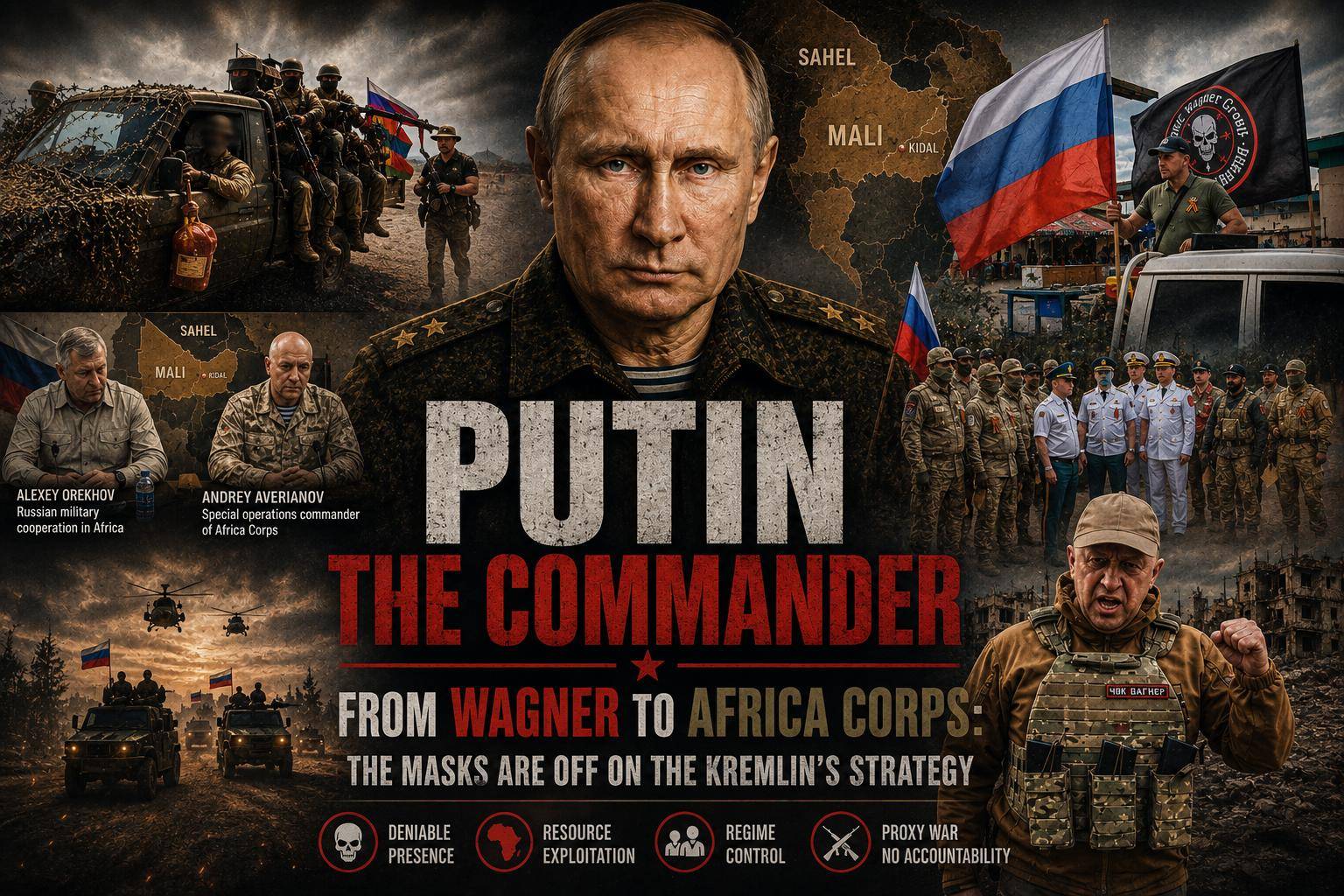
Following a decade of rapid expansion, characterized by the deployment of mercenary forces, widespread disinformation campaigns, and an overtly anti-Western populist rhetoric, the Kremlin’s strategic initiatives in Africa are now confronting a stark reality. Unfulfilled security pledges, persistent military quagmires, and a growing rejection from local populations suggest that the notion of an ‘end to Russian imperialism’ on the continent is no longer mere speculation, but an observable trend.
The illusion of a security alternative
In the mid-2010s, Russia strategically capitalized on the significant voids left by the diminishing presence of traditional powers, particularly France. From Bamako to Bangui, and extending through Ouagadougou to Niamey, Moscow presented what appeared to be an attractive solution: a readily available security package, notably devoid of human rights conditionalities, primarily delivered through the Wagner network, which has since evolved into Africa Corps.
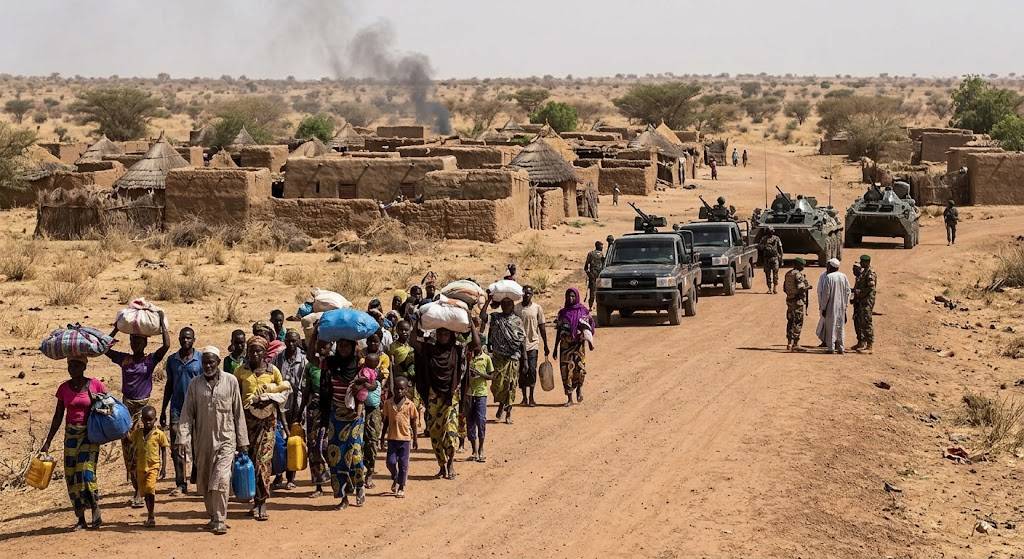
However, after several years, the tangible outcomes paint a somber picture. Across the Sahel region, security conditions have not merely failed to improve; they have demonstrably deteriorated.
A critical turning point emerged from the devastating battle of Tinzawatane, near the Algerian border, where dozens of Russian mercenaries and Malian soldiers perished. This event profoundly shattered the carefully constructed myth of Russian invincibility.
It has become increasingly apparent that Moscow’s primary objective was not to foster peace but to secure the stability of regimes in exchange for access to vital mineral resources, including gold, diamonds, and uranium. This purely extractive approach, a hallmark of imperialistic endeavors, is now unequivocally clear to local communities, who perceive merely a change in the colonizer’s identity and language.
The three fundamental factors contributing to Russia’s decline
An analysis of current dynamics reveals that the diminishing Russian influence is underpinned by three structural impediments:
- The severe financial and military strain imposed by the conflict in Ukraine
- An inherent inability to offer a viable economic development framework
- Direct confrontation with burgeoning African nationalisms
1. The Ukrainian quagmire
The protracted war of attrition in Ukraine has proven to be an immense drain on Russia’s financial and human resources. Moscow’s capacity to sustain its African ambitions has been severely curtailed. Elite military units are being redeployed to the European front, and heavy military equipment, once a significant export to African nations, is now being rationed for domestic wartime requirements.
2. The economic vacuum
Russia primarily functions as a military and narrative power, rather than an economic one. Its Gross Domestic Product is comparable to that of Spain, rendering it unable to compete effectively with the European Union in terms of development aid or with China in large-scale infrastructure projects.
Once the initial political enthusiasm wanes, African juntas and governments are increasingly recognizing that emergency wheat shipments and social media troll campaigns are insufficient to nourish a growing population or foster sustainable progress.
3. The resurgence of African sovereignties
Russia’s persuasive rhetoric was largely predicated on the narrative of a