In the heart of N’Djamena, where the city’s rapid demographic and urban growth continues unabated, the lack of organized minibus stops has become a pressing concern. These minibuses, the lifeline for countless commuters, currently operate in a largely unregulated and chaotic manner.
Unplanned stops fuel chaos and danger on N’Djamena’s streets
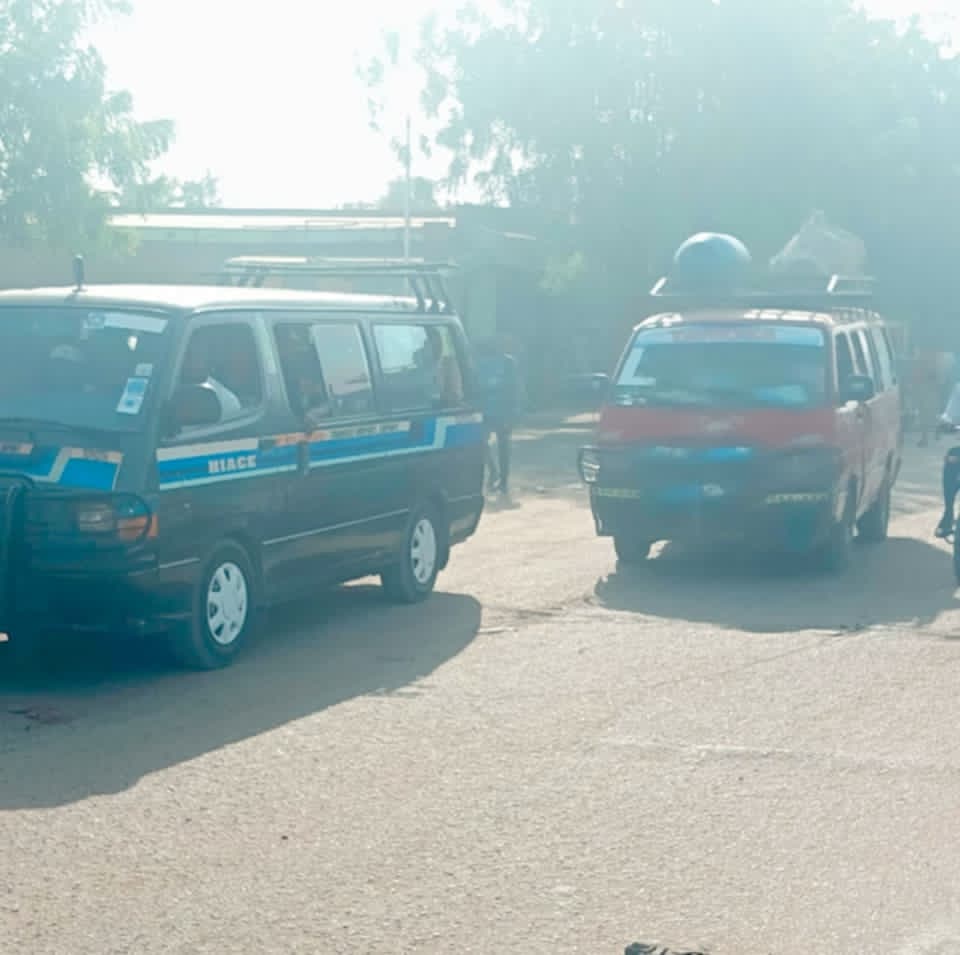
N’Djamena’s bustling streets are a testament to the city’s vibrant energy, but they also reveal a stark reality: the absence of designated stopping points for minibuses is wreaking havoc on urban mobility and public safety. Every day, minibus drivers halt abruptly on busy roads, not just slowing down traffic but creating hazardous conditions for passengers and pedestrians alike.
Without clearly marked or structured stops, these vehicles often pull over in the middle of the road, forcing passengers to navigate between moving cars to board or alight. This informal approach to public transport doesn’t just cause delays—it directly contributes to the rising number of accidents, particularly during peak hours. Pedestrians, too, are left vulnerable, forced to weave through traffic in an environment that prioritizes speed over safety.
A simple solution with far-reaching benefits
The remedy? Organized and strategically placed minibus stops. By designating regular stopping zones—spaced roughly 150 to 200 meters apart, depending on the density of the area—N’Djamena could transform its chaotic transport landscape into a safer, more efficient system. These designated areas would not only streamline boarding and alighting but also curb reckless driving behaviors that stem from the current lack of order.
The benefits extend beyond mere convenience. Structured stops would enhance traffic flow, reduce the risk of collisions, and create a more predictable environment for all road users. In cities across Africa facing similar challenges, this approach has proven transformative, improving both road discipline and the overall efficiency of public transport networks.
Collaboration and commitment can reshape N’Djamena’s transport future
For this vision to materialize, a collective effort is essential. Local authorities, transport officials, and informal sector stakeholders must work hand-in-hand to implement these changes. The process could begin with small but impactful steps: installing clear signage, erecting basic shelters at stops, and launching awareness campaigns to educate minibus drivers on the importance of adhering to designated stopping points.
However, infrastructure alone won’t suffice. What’s truly needed is a shift in mindset—one that recognizes mobility as a cornerstone of urban development. N’Djamena, a city on the move, cannot afford to lag behind in addressing its transport challenges. By taking decisive action now, the city can pave the way for a safer, more modern, and better-organized public transport system for all its residents.