“If the Russian mercenaries depart, we will return home.” In Mauritania, Mosso*, a Malian refugee who fled the devastating conflict in his homeland, voices a cautious optimism for repatriation. This sentiment arises after significant attacks in late April targeting the Malian army and their Russian allies from Africa Corps. These coordinated assaults, executed by the Azawad Liberation Front (FLA) separatists and jihadists from the Group for the Support of Islam and Muslims (Jnim, affiliated with Al-Qaeda), dealt an unprecedented blow to Mali’s ruling junta, which seized power in a 2020 coup, even resulting in the death of the Defense Minister.
In Fassala, a Mauritanian locality situated near the Malian border, the actions of Russian paramilitaries have left a lasting scar on many refugees. They still refer to them as “Wagner,” recalling the private Russian militia—now known as Africa Corps—that has been supporting the Malian army in its counter-jihadist efforts since the departure of French forces.
“Goïta brought Wagner here”
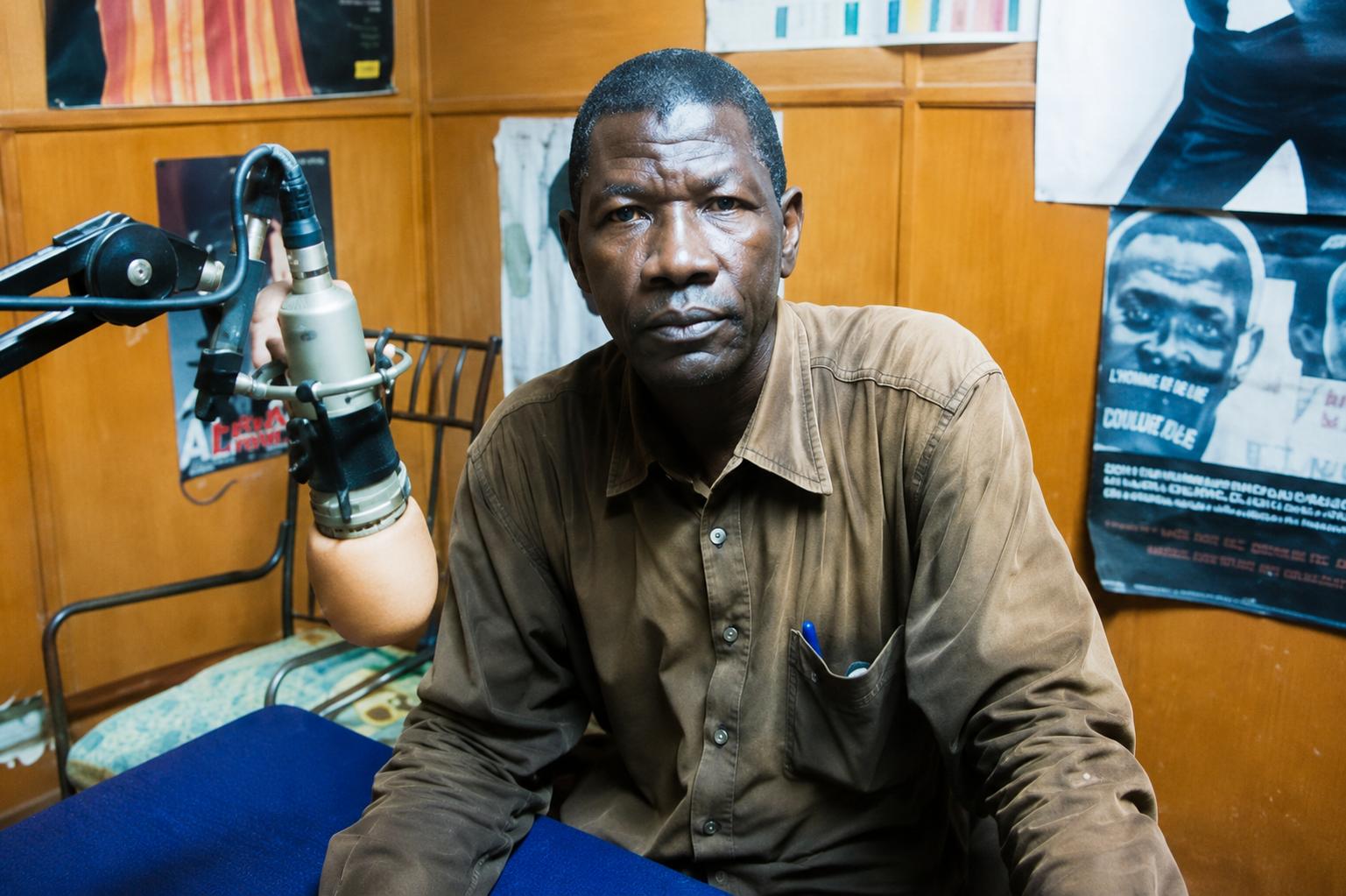
Sheltering from the scorching Saharan desert sun under a makeshift tent, Mosso expresses his hope for “the fall of (Assimi) Goïta,” the Malian junta leader, asserting, “because he is the one who brought Wagner to our land.” This 57-year-old nomadic Tuareg herder, with a long white beard, fled Mali’s central Mopti region three weeks ago after white men, whom he identified as Russian paramilitaries, arrived at his encampment and abducted several men. He recounts that his own brother was tragically killed by Russians before his then-14-year-old son’s eyes just a year prior.
In Mali, civilians are frequently caught in the crossfire, accused of collaborating with opposing factions, and suffer reprisals and abuses from both the Malian army and its Russian auxiliaries, as well as jihadist groups. On April 20, three civil society organizations, including the International Federation for Human Rights (FIDH), filed a complaint with the African Court on Human and Peoples’ Rights (CADHP) concerning alleged violations committed in Mali involving Malian armed forces and the Wagner group.
Images depicting a convoy of Russians exiting Kidal, a strategically vital city in northern Mali that fell under Tuareg rebel control in late April, have ignited a hesitant glimmer of hope among many refugees that the paramilitaries might soon leave their country. Like Mosso, approximately 300,000 Malians have sought refuge in Mauritania’s Hodh Chargui region since the conflict began in 2012.
The FLA and Jnim alliance under scrutiny
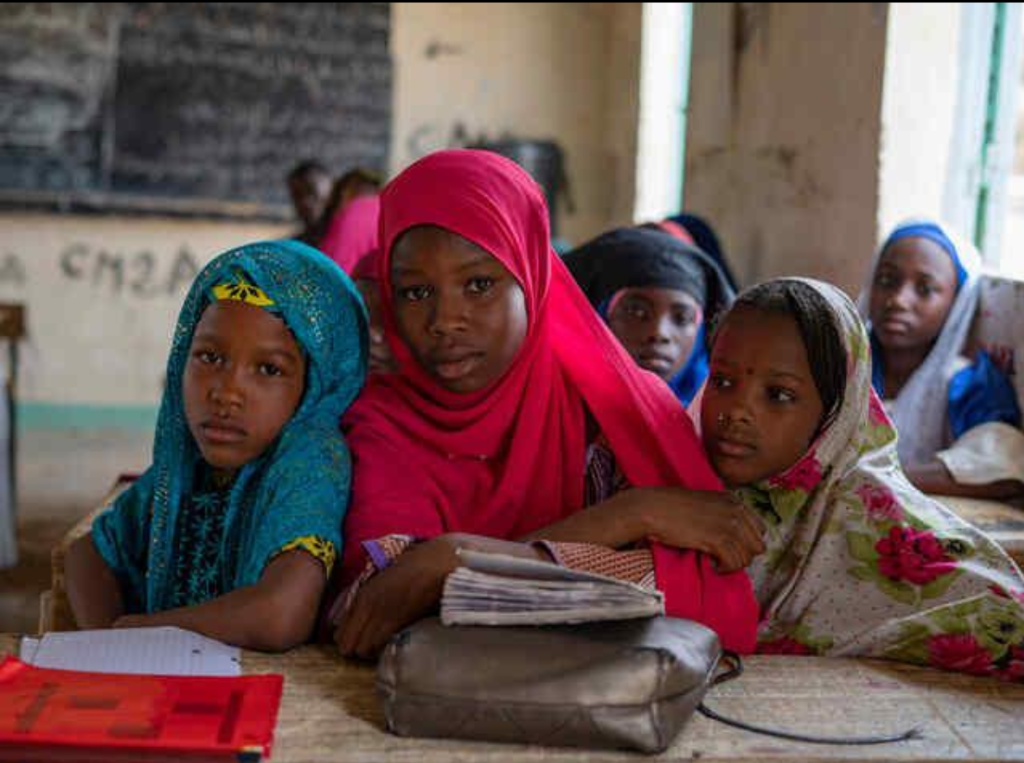
About fifty kilometers from the border, the Mbera camp currently hosts 120,000 refugees who have escaped violence perpetrated by all belligerents: jihadists, the Malian army, Russian mercenaries, and various communal groups. Within the camp’s sandy pathways, Ahmed*, 35, articulates his desire for “the return of peace and to go back to my country.” He, too, wishes for the downfall of the military rulers, whom he blames for “bringing all the problems to the country.” This Tuareg man, who fled to avoid the “amalgamation” made by the Malian army and their Russian partners, states, “It’s because of Wagner that everyone came here.”
With a kind gaze and skin weathered by the sun, Abdallah*, a 77-year-old Tuareg refugee, expresses no joy over the recent rebel offensive. “I am far from happy that the FLA has retaken Kidal,” he sighs. For him, the alliance between the FLA and the jihadists is a misstep: “To me, Jnim is a terrorist movement. Their objectives do not align at all with our ideology as moderate, pacifist Muslims.”
Blockades imposed by Jnim jihadists on Malian localities since last October have triggered a new surge of refugees into the region, accounting for nearly 14,000 individuals, predominantly women and children, according to the United Nations High Commissioner for Refugees (UNHCR).
Concerns over new refugee influx
Recent hostilities in Mali have led humanitarian organizations to fear a fresh wave of refugees in this arid region, where access to vital resources is already strained. “We are closely monitoring the evolving situation with profound concern,” emphasizes Omar Doukali, UNHCR spokesperson in Mauritania.
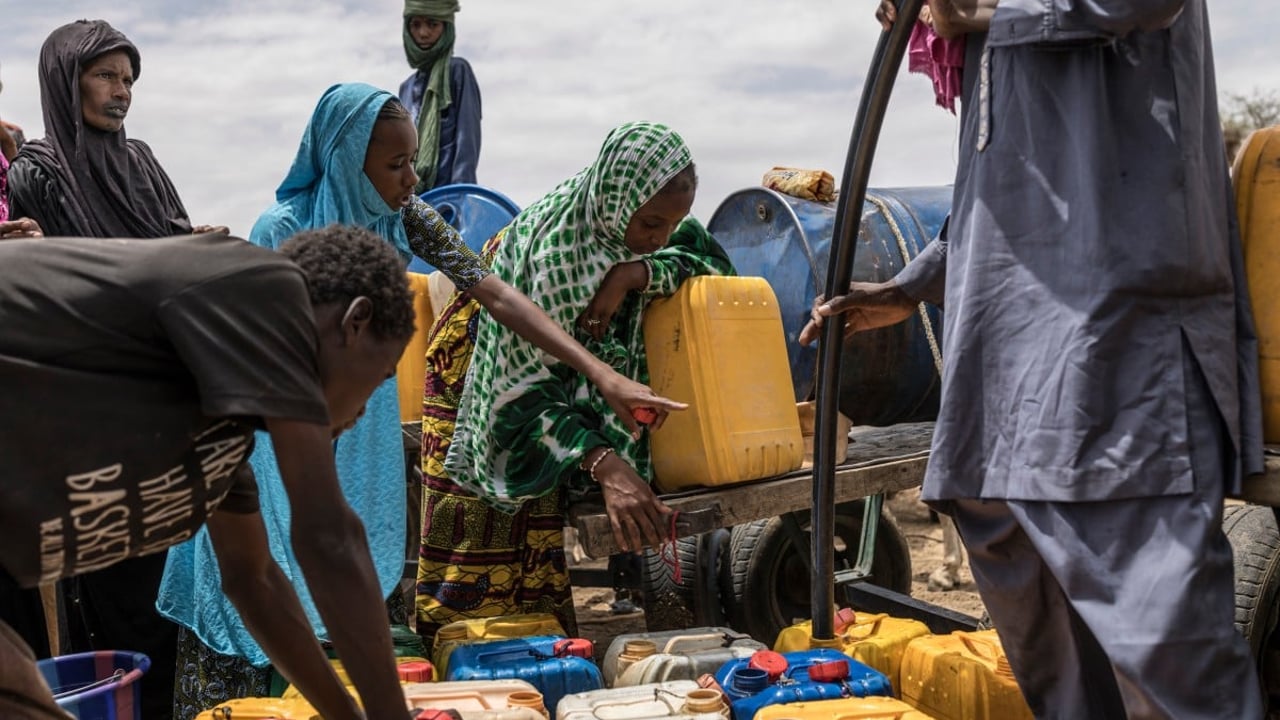
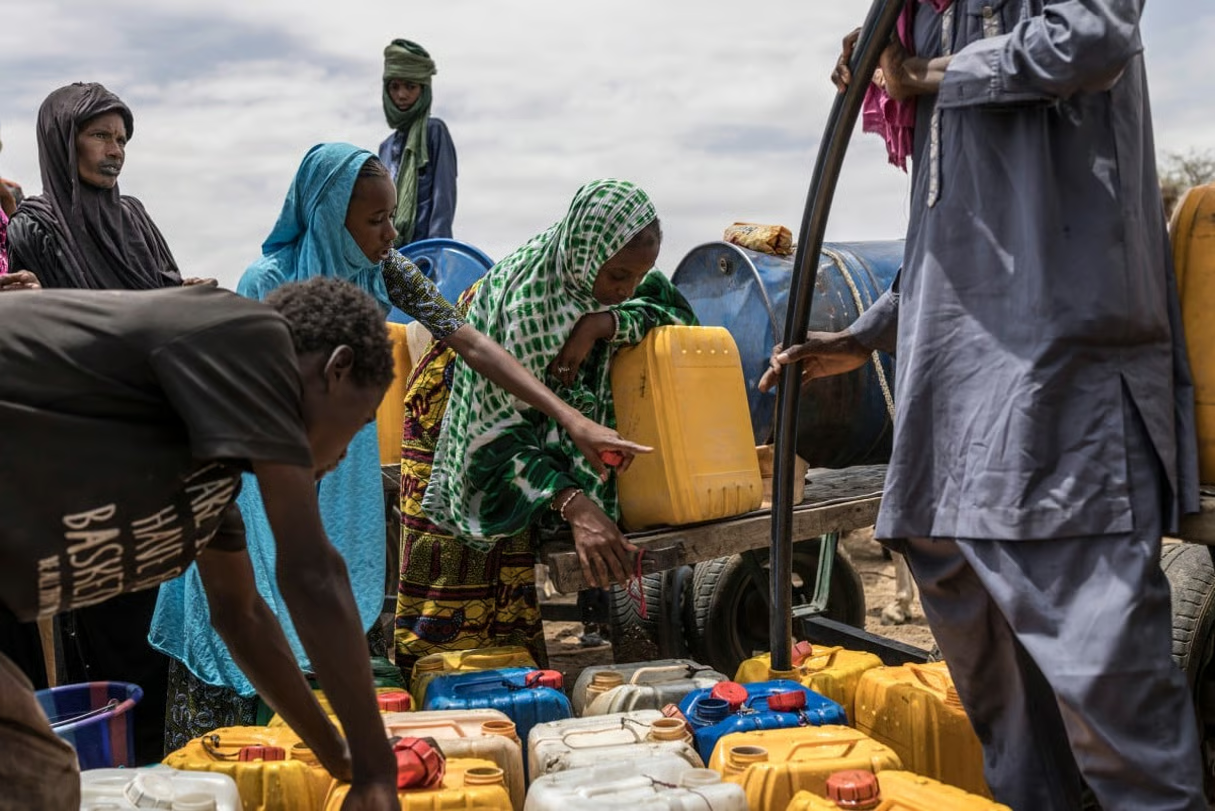
In a Sahel region that has become a global epicenter of jihadist violence, Mauritania, a vast desert nation of 5.5 million inhabitants, stands out for its remarkable stability. However, the presence of over 300,000 Malian refugees creates pressure “on pastures, water resources, and all basic services, including health,” notes Cheikhna Ould Abdallahi, mayor of Fassala. His commune hosts 70,000 refugees, and he is deeply worried about the intensifying clashes in neighboring Mali.
The situation remains more uncertain than ever. The FLA has announced its intention to conquer major cities in northern Mali and predicts the downfall of the ruling junta in the face of its offensive. Holding her one-year-old daughter, Tilleli*, 22, recounts her escape from Mali a month ago when Russians and the army looted and burned her village in the Mopti region (center): “I can only return home after Wagner leaves my country,” she asserts. “I don’t have hope that peace will come anytime soon,” the young mother whispers.