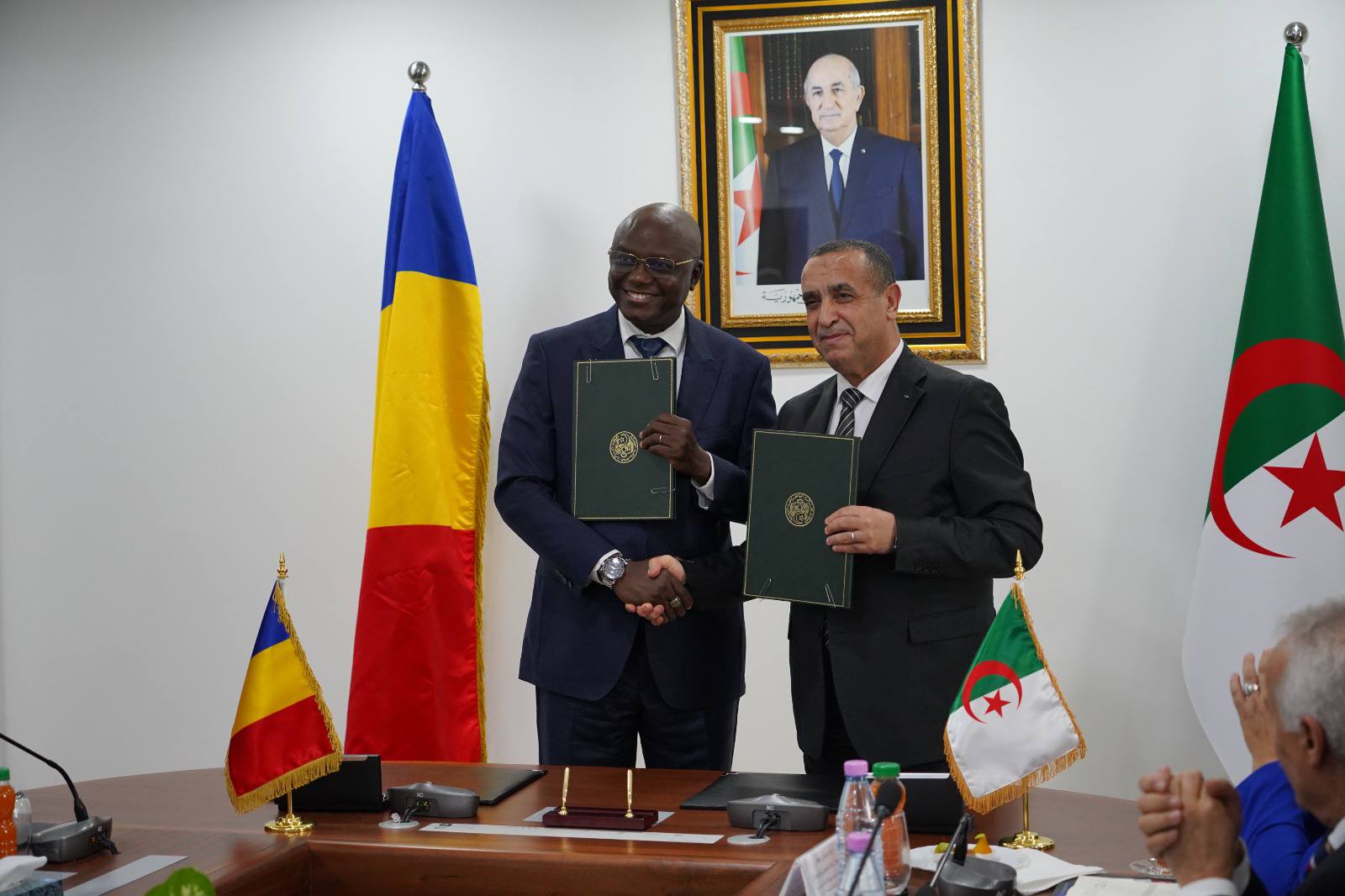
A significant agreement was formally concluded this Thursday in Algiers, marking a joint effort between Algeria and Chad to construct a 40-megawatt electrical power plant in the Chadian capital, N’Djamena.
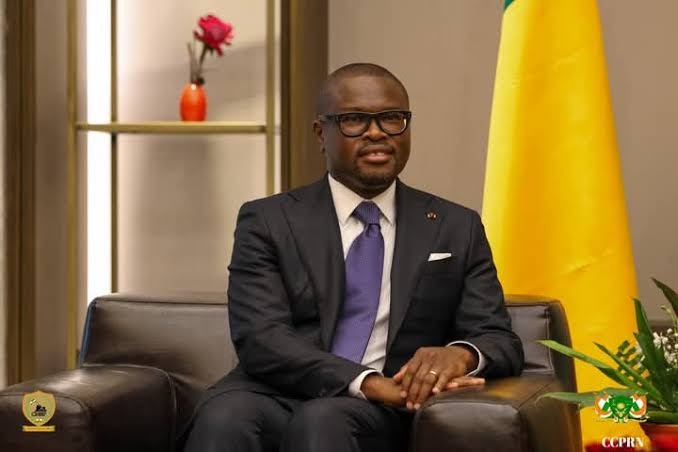
The pact was sealed by Mourad Adjal, Algeria’s Minister of Energy and Renewable Energies, and Passalé Kanabé Marcelin, Chad’s Minister of Water and Energy. This collaborative initiative aims to solidify bilateral cooperation, aligning with the vision of Algerian President Abdelmadjid Tebboune to bolster support for African nations and champion South-South partnerships. The proposed facility is set to significantly enhance electricity generation capabilities in N’Djamena.
Technical blueprint fully prepared
The signing ceremony followed productive discussions between Minister Adjal and his Chadian counterpart, who was on a working visit to Algeria. Their talks centered on expanding bilateral cooperation across the energy and renewable energy sectors. Both parties explored avenues to strengthen these ties through concrete projects, encompassing a comprehensive partnership in electricity production, transmission, and distribution, as well as the provision of electrical and gas equipment, and specialized training programs.
Minister Adjal confirmed that the technical study for the power plant’s construction has been finalized. This achievement comes on the heels of a recent visit by technical teams from Algeria’s Sonelgaz group to Chad last week. He emphasized that both nations are now poised to move to the equipment export phase, with preparations underway for the project’s groundbreaking ceremony. Furthermore, Adjal announced that Chadian technical personnel have arrived in Algeria to commence a month-long training program at Sonelgaz academies. These teams will eventually be entrusted with the operation of the power plant once it becomes operational. He also noted that the scope of bilateral cooperation would extend to the crucial rehabilitation of N’Djamena’s existing electrical grid.
Algeria, “a true benchmark” for energy solutions
Minister Marcelin, for his part, hailed the agreement for the power plant as a “historic milestone” in South-South cooperation and a pivotal moment in the evolving relationship between Algeria and Chad. He recalled that the foundation for robust cooperation between the two fraternal nations was laid during Chadian President Mahamat Idriss Déby Itno’s official visit to Algeria last April.
Expressing profound gratitude to the Algerian President for his unwavering support and assistance in the energy domain, Marcelin affirmed Algeria’s emergence as “a true benchmark” for numerous African countries, particularly in electricity provision, owing to its substantial production capabilities. He articulated Chad’s ambition to leverage Algerian expertise, highlighting that 12 Chadian trainees are currently undergoing training in Algeria on power plant operation, with future cohorts slated to benefit from similar educational opportunities.
A power plant “one hundred percent Algerian” in execution
Yazid Djellouli, the President and CEO of Sonelgaz International, informed the press that the new power plant in Chad would be “one hundred percent Algerian” in its construction, equipment, and workforce. He assured that Chadian authorities would soon initiate site preparation work for the infrastructure, concurrently with the transfer of equipment and the commencement of construction activities.
Djellouli elaborated on Sonelgaz International’s strategic objective to expand its footprint across Africa. Since its establishment last March, the company has received numerous inquiries from various African nations regarding energy and related infrastructure projects. Complementing this, Saleh Ben Haliki, Director General of Tchadienne d’électricité (TchadElec), commended the power plant project as one of the initial significant outcomes of the “renewed relations” between Algeria and Chad in the energy sector. He underscored Chad’s eagerness to capitalize on Algerian expertise, recognizing Algeria’s status as “a true reference” in achieving extensive electricity coverage.