Women street vendors in Tchad: independence at a hidden cost
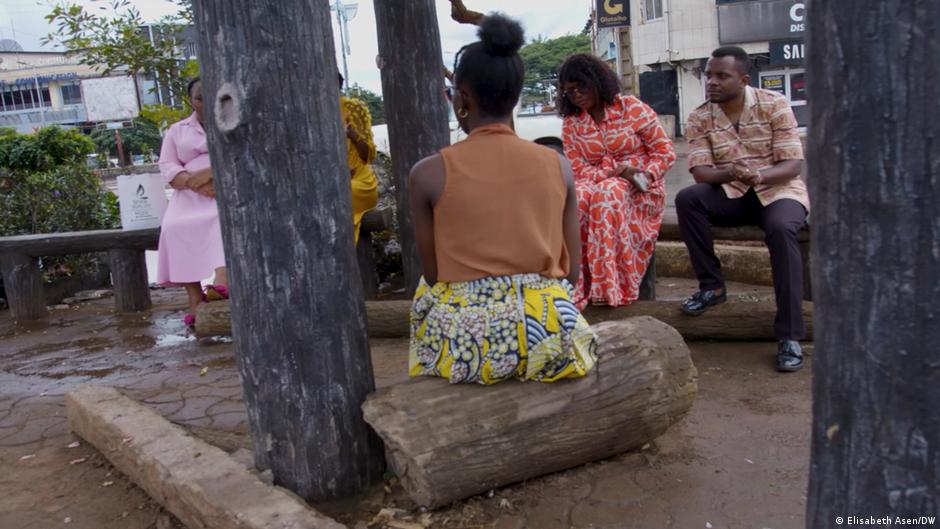
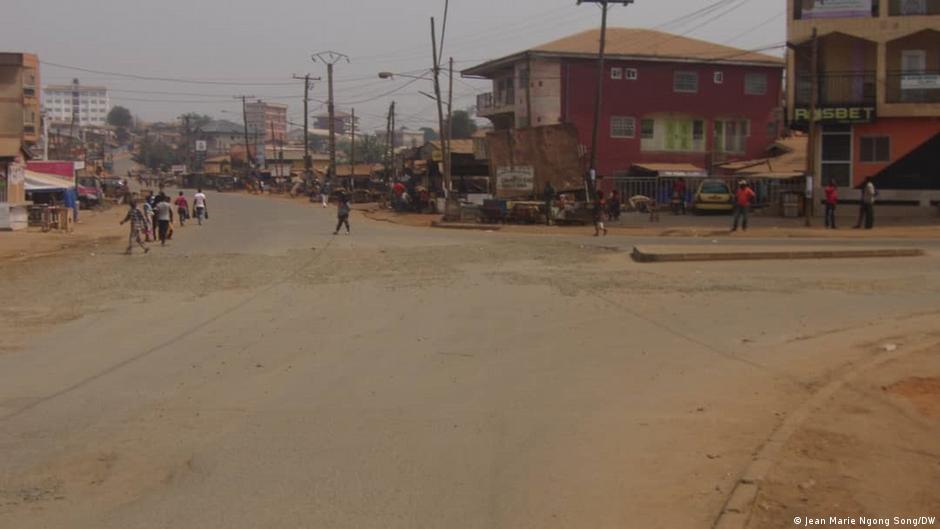
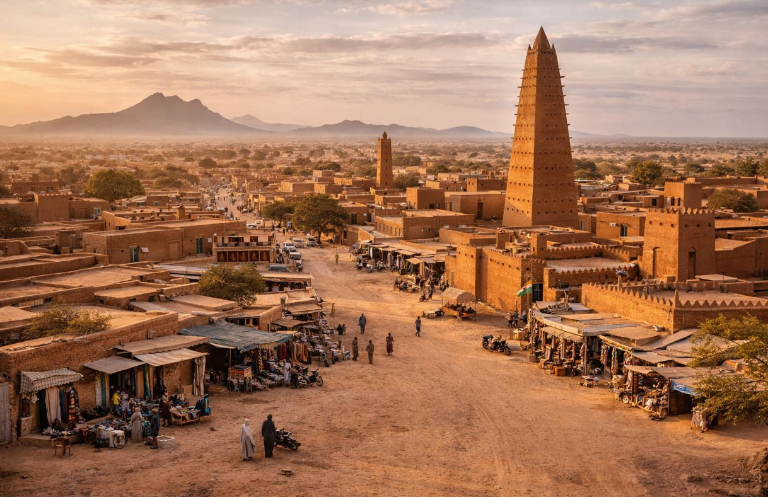
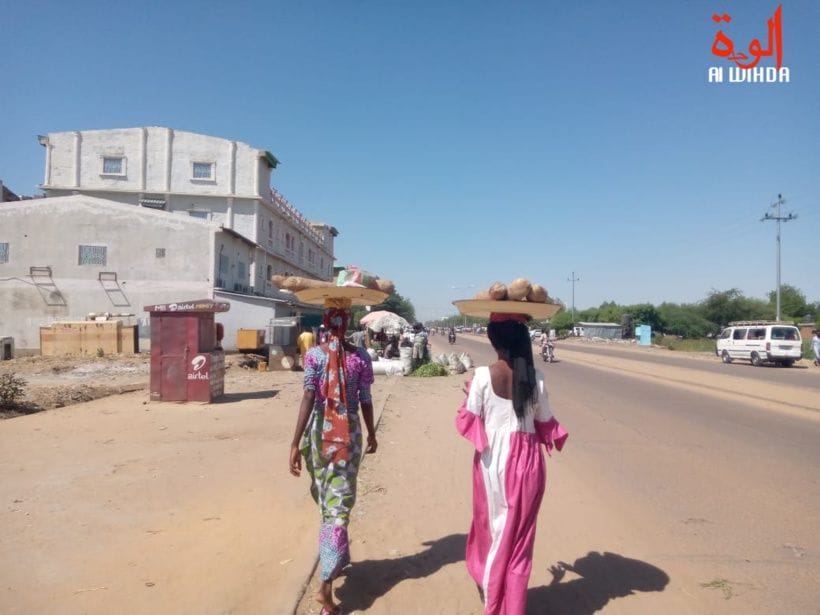
The streets of Tchad’s major cities are increasingly dominated by a new wave of entrepreneurs—women balancing trays of fresh mangoes, sizzling beignets, and vibrant fabrics on their heads. Navigating crowded alleys, dodging motorbikes and pedestrians, they shout out their offers under the scorching sun, their colorful headscarves shielding them from the heat. This scene is no longer rare in N’Djamena, Moundou, or Abéché; it has become the new normal.
Aïcha, in her early thirties, walks with weary steps, her youngest child strapped to her back. She has been selling roasted peanuts since dawn, her gaze fixed on potential customers. “It’s tough, but at least I’m in charge now,” she says, offering a handful of nuts. Nearby, Fanta fries her dough balls over a makeshift stove, her five-year-old son playing with a scrap of plastic at her feet, barefoot on the dusty ground. These women, once confined to household confines, are now claiming the streets—negotiating, carrying, surviving. A breath of independence rising from the hot asphalt.
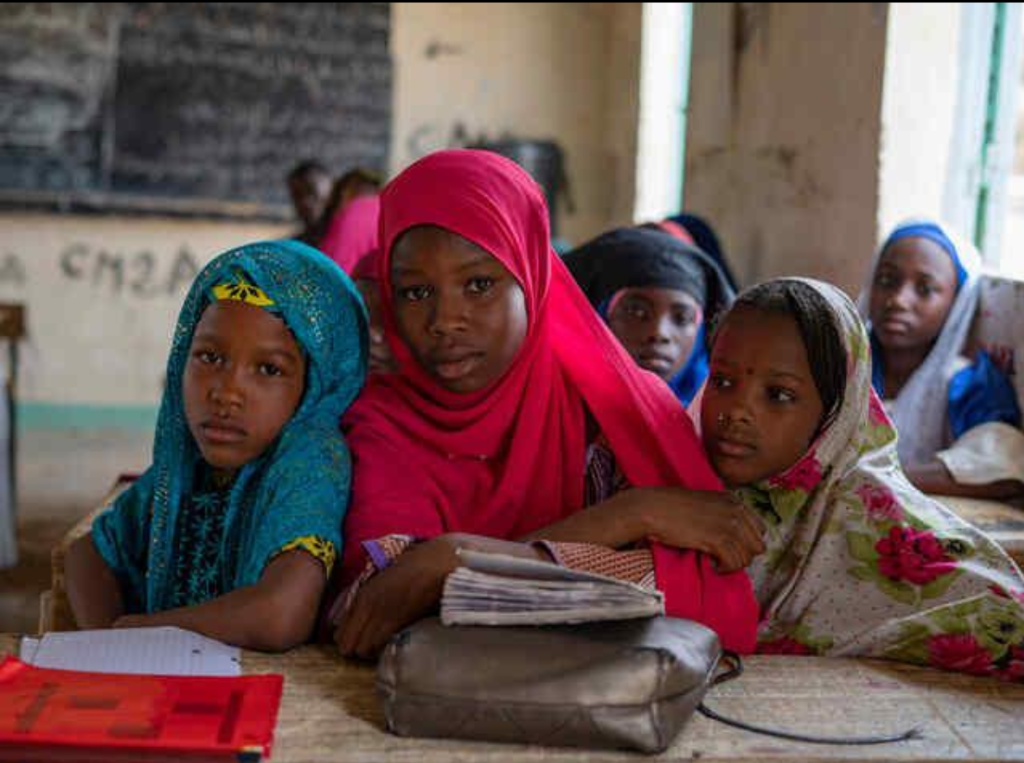
But what about the children? In this whirlwind of commerce, they cough in the smoke of the stoves, doze under the weight of heavy bags, or beg for a scrap of shade. The sight of a seven-year-old boy in Abéché, hauling a bucket of water while shouting “one franc!” as his mother haggles for millet, is not uncommon. School? For many, it’s a distant memory, replaced by the crowded, dusty streets. Is this the visible tip of a larger issue—a female empowerment movement that liberates mothers at the expense of their children’s futures?
These stories repeat daily. Women stand tall, carrying their world on their shoulders, but their children stumble in their wake. What future awaits them in this relentless dance of the markets?