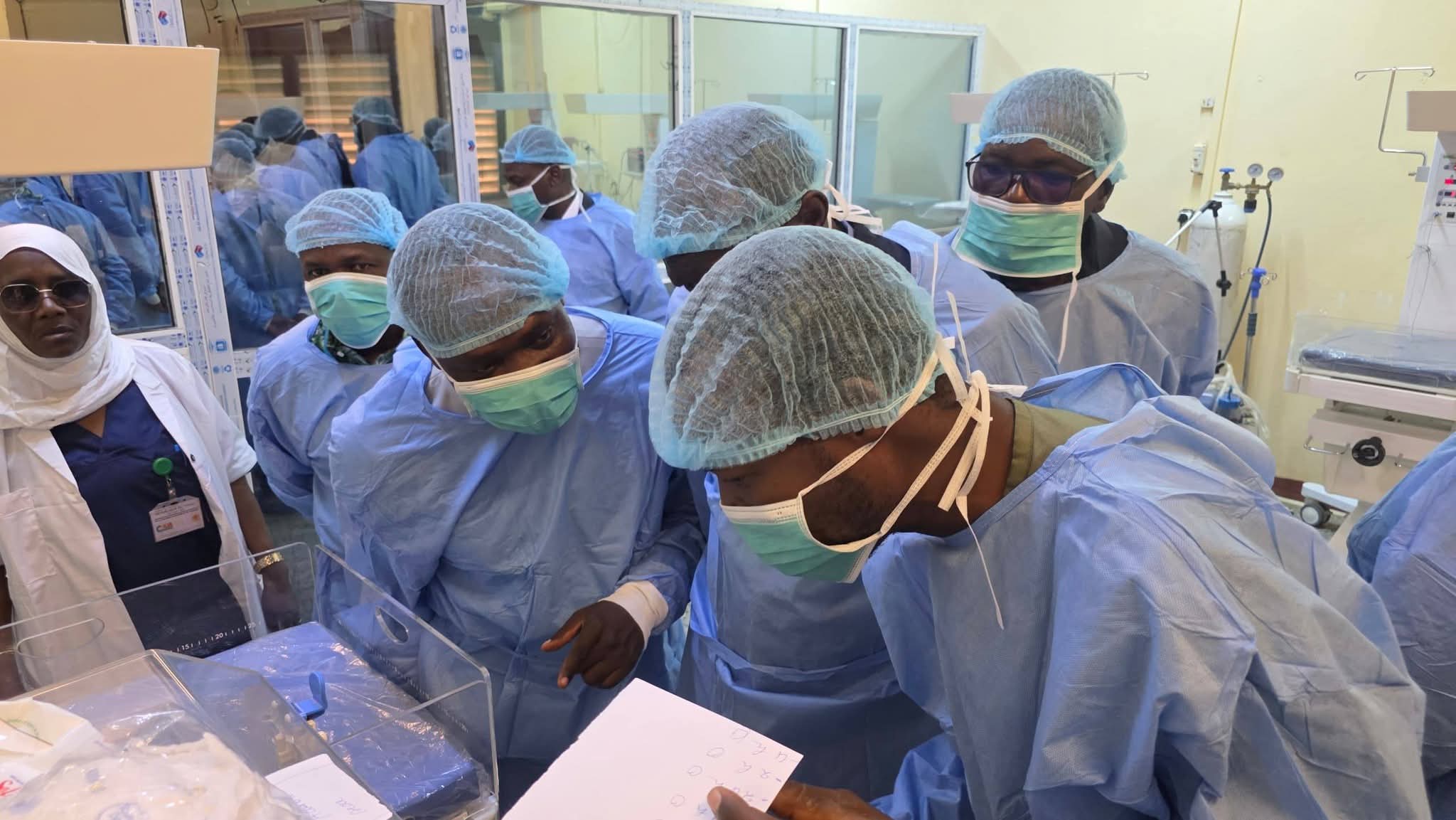
Across N’Djamena and smaller towns throughout Chad, repeated miscarriages among young women—particularly those in their twenties—are sparking rising alarm. This silent health crisis, exacerbated by cultural taboos, misinformation, and limited access to specialized care, is taking a severe toll on both physical health and emotional well-being, straining relationships and leaving deep psychological scars.
To shed light on the root causes and far-reaching consequences, we spoke with Dr. Deubalbe Djonka Djoret, a general practitioner with extensive experience in maternal health.
understanding miscarriage: causes and biological factors
A miscarriage, or spontaneous abortion, occurs when a pregnancy ends before the 20th or 22nd week of amenorrhea—before the fifth month—resulting in the loss of the fetus. According to Dr. Djonka, this is a tragically common experience with multiple potential triggers.
Some causes are structural, such as uterine fibroids or cervical incompetence, where the cervix cannot retain the fetus until full term. Others are hormonal, including imbalances between estrogen and progesterone, which can disrupt normal fetal development. Nutritional deficiencies—particularly in iron and folic acid—further elevate risk by increasing the likelihood of neural tube defects in the fetus.
Genetic factors also play a role. Chromosomal anomalies that emerge in early pregnancy can lead to miscarriage, as can blood group incompatibility when the mother is Rh-negative and the father is Rh-positive. Chronic conditions like diabetes, hypertension, kidney disease, and heart disease further amplify risk—especially when left unmanaged.
infections and preventable risks in Chad
In Chad, infectious diseases represent a major—and often overlooked—threat to pregnancy. Malaria, amniotic fluid infections, syphilis, and toxoplasmosis are widespread yet poorly addressed, putting both mother and child in danger. Self-medication and the use of harmful medications during pregnancy also contribute significantly to the problem.
Young women, in particular, face heightened vulnerability due to risky behaviors and lack of awareness. Dr. Djonka points to improper use of hormonal contraceptives, unsupervised medication intake, alcohol consumption during pregnancy, and unsafe traditional practices as common contributors.
the emotional and relational toll
The psychological impact of recurrent miscarriages is profound and often underestimated. Beyond physical recovery, many women experience profound grief, loss of self-esteem, and even depression. These emotional wounds frequently extend to the couple, straining trust and intimacy.
Early diagnosis is critical to preventing recurrence, yet access to essential screenings remains limited in Chad. Procedures like transvaginal ultrasound cervicometry and genetic testing are still underutilized, leaving many women without the timely care they need.
taking action: prevention and early care
Dr. Djonka strongly advocates for proactive reproductive health planning. He urges women—especially those planning pregnancy—to seek preconception counseling to identify and correct risk factors before conception occurs. Once pregnant, immediate medical consultation with a general practitioner or obstetrician-gynecologist is essential for safe, tailored prenatal monitoring.
By addressing misinformation, improving access to specialized care, and promoting early intervention, Chad can begin to reduce the silent burden of repeated miscarriages and support healthier outcomes for young mothers.