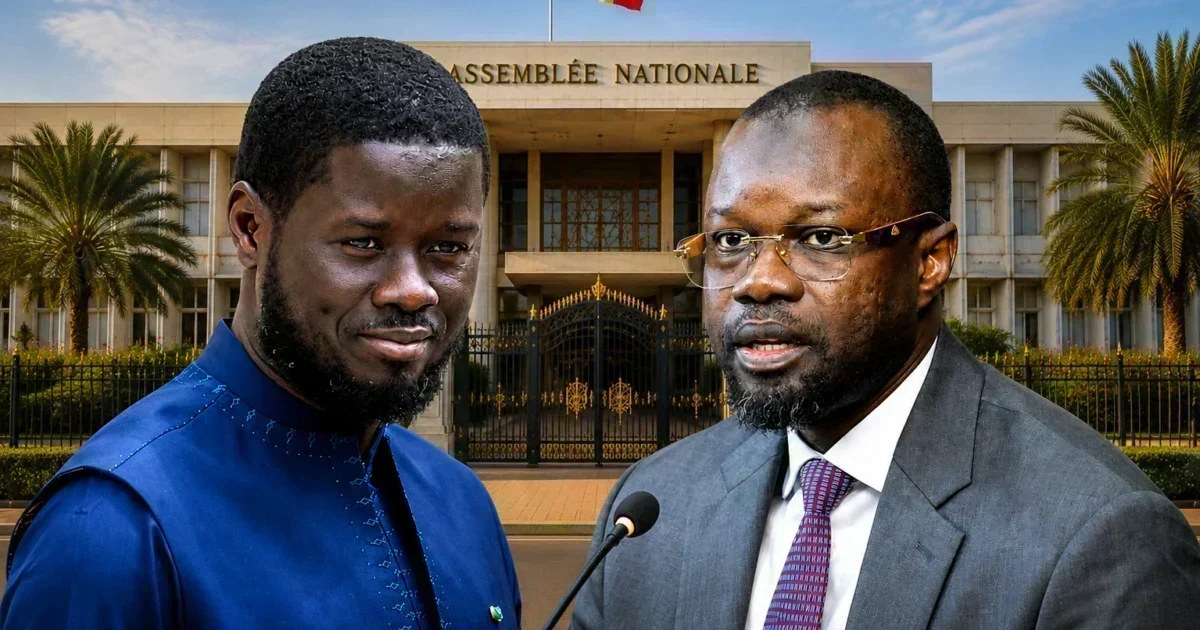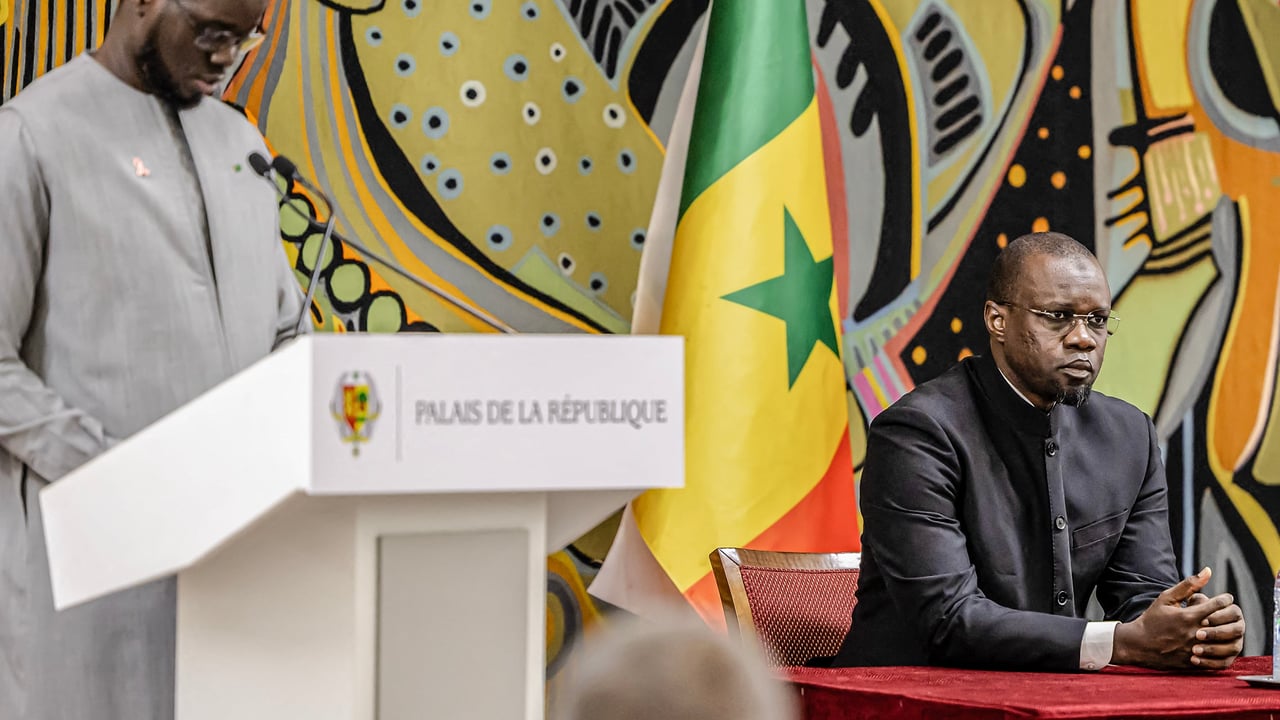

During a national celebration press briefing on April 4, 2025, President Bassirou Diomaye Faye made a bold declaration: he intends to overhaul the balance of power between the presidency and other government institutions. His vision? A system where authority is shared among strong directors, powerful ministers, and a highly influential prime minister—not a president who holds all the reins. This constitutional reform, now at the heart of national debate, raises a critical question: who stands to benefit most from these proposed changes?
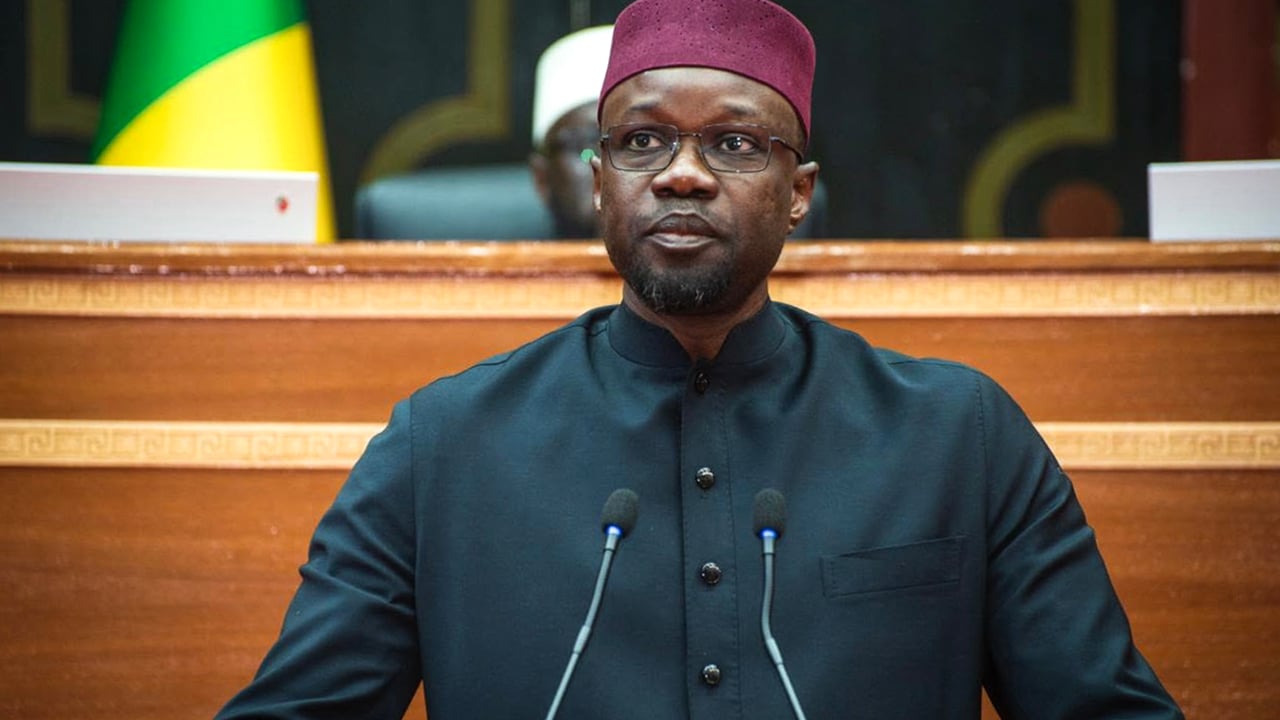
Analysts and political observers point to one figure who could emerge as the primary beneficiary: opposition leader Ousmane Sonko. The reform’s potential implications for Sonko’s political future and influence are sparking intense discussion across Senegal.
a constitutional shift that could reshape Senegal’s political landscape
The proposed reform targets key structural pillars of governance. By decentralizing executive power and strengthening the roles of other institutions, the changes could create new dynamics in how leadership is exercised. For Sonko, this shift presents opportunities—particularly if the reform paves the way for a more pluralistic system where opposition figures gain greater visibility and leverage.
Under the current framework, the presidency wields substantial centralized authority. However, the reforms aim to redistribute this power, potentially leveling the playing field for political actors outside the ruling circle. Sonko, a prominent opposition leader, could find himself in a stronger position to shape national discourse and policy—especially if the changes include provisions for broader representation in government bodies.
why sonko could be the reform’s biggest winner
The timing of these proposals is significant. Following President Faye’s election, the government has signaled a commitment to institutional renewal. Yet, the reform’s design raises eyebrows. Critics argue that the redistribution of power may inadvertently consolidate influence for certain political factions. Sonko’s political movement, known for its grassroots support, could leverage these shifts to expand its reach and influence.
Key aspects of the reform that favor Sonko include:
- Enhanced parliamentary role: A more assertive National Assembly could provide Sonko’s party with greater legislative influence, allowing his agenda to gain traction.
- Stronger local governance: Decentralization efforts may empower Sonko’s base in key regions, where his support is particularly strong.
- Media and public visibility: By reducing presidential dominance over information channels, the reform could amplify Sonko’s voice in national conversations.
challenges and controversies surrounding the reform
Not everyone views the proposed changes favorably. Opponents warn that the reforms could destabilize the government or create power vacuums. Some legal experts caution that the transition may lack safeguards, leaving room for unintended consequences. Meanwhile, supporters argue that the reforms are long overdue, necessary to modernize Senegal’s institutions and prevent authoritarian drift.
The debate is further complicated by Senegal’s political history. Past attempts at constitutional reform have often been met with resistance, sparking protests and deepening divisions. As the government moves forward, it must navigate these tensions carefully to ensure the reform serves the nation’s interests—not just the ambitions of a select few.
The coming months will be decisive. Will the reform strengthen Senegal’s democracy, or will it inadvertently place disproportionate power in the hands of those already poised to benefit? For Ousmane Sonko and his supporters, the stakes could not be higher.