The recent sentencing of eight prominent figures from the opposition coalition GCAP to eight years in prison, delivered on May 8, 2026, has ignited a storm of protest across Chad’s political landscape. Many opposition leaders view this judicial ruling as a deeply troubling shift in the nation’s political climate, signaling a significant erosion of public liberties.
Within opposition circles, this verdict is widely interpreted as a stern message aimed squarely at dissenting voices challenging the current administration. Numerous officials are decrying what they perceive as an authoritarian slide, asserting that the democratic arena is steadily diminishing. They contend that this conviction transcends a mere legal matter, representing a calculated move within a broader political tightening designed to debilitate opposition groups and stifle any form of dissent.
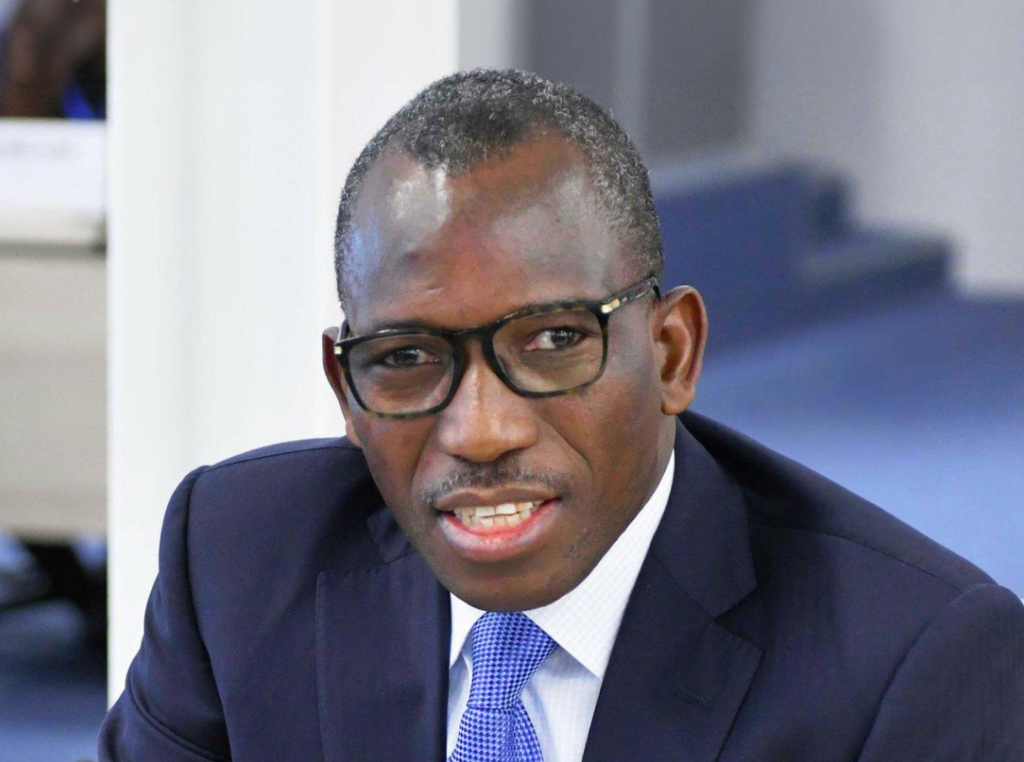
Among the most vocal condemnations came from Alifa Younous Mahamat, the European coordinator for the Socialist Party Without Borders (PSF). He sharply questioned the procedural integrity of the trial, alleging that fundamental principles of a fair hearing were disregarded. Mahamat denounced what he described as a prejudiced process, culminating in a seemingly predetermined outcome. In his view, this incident unequivocally demonstrates a deliberate effort to silence critics and further undermine political opposition.
Beyond these individual responses, the case has reignited a crucial national discussion concerning the state of political freedoms in Chad. A growing number of analysts and political figures are expressing alarm over a perceived trend towards the gradual constriction of democratic space, particularly amidst ongoing tensions between the government and opposition factions. They argue that the increasing frequency of legal actions against political leaders is fostering an environment of deep suspicion and heightened friction.
Consequently, the opposition is urgently calling for a comprehensive overhaul of both political and judicial practices. Their aim is to ensure greater transparency, uphold principles of equity, and secure fundamental rights. They emphasize the critical importance of safeguarding political pluralism and fostering an inclusive dialogue among all national stakeholders.
Amidst this charged atmosphere, pleas for de-escalation are becoming more frequent. Many concerned parties fear a further deterioration of the political landscape unless immediate measures for reconciliation and systemic reform are swiftly implemented.