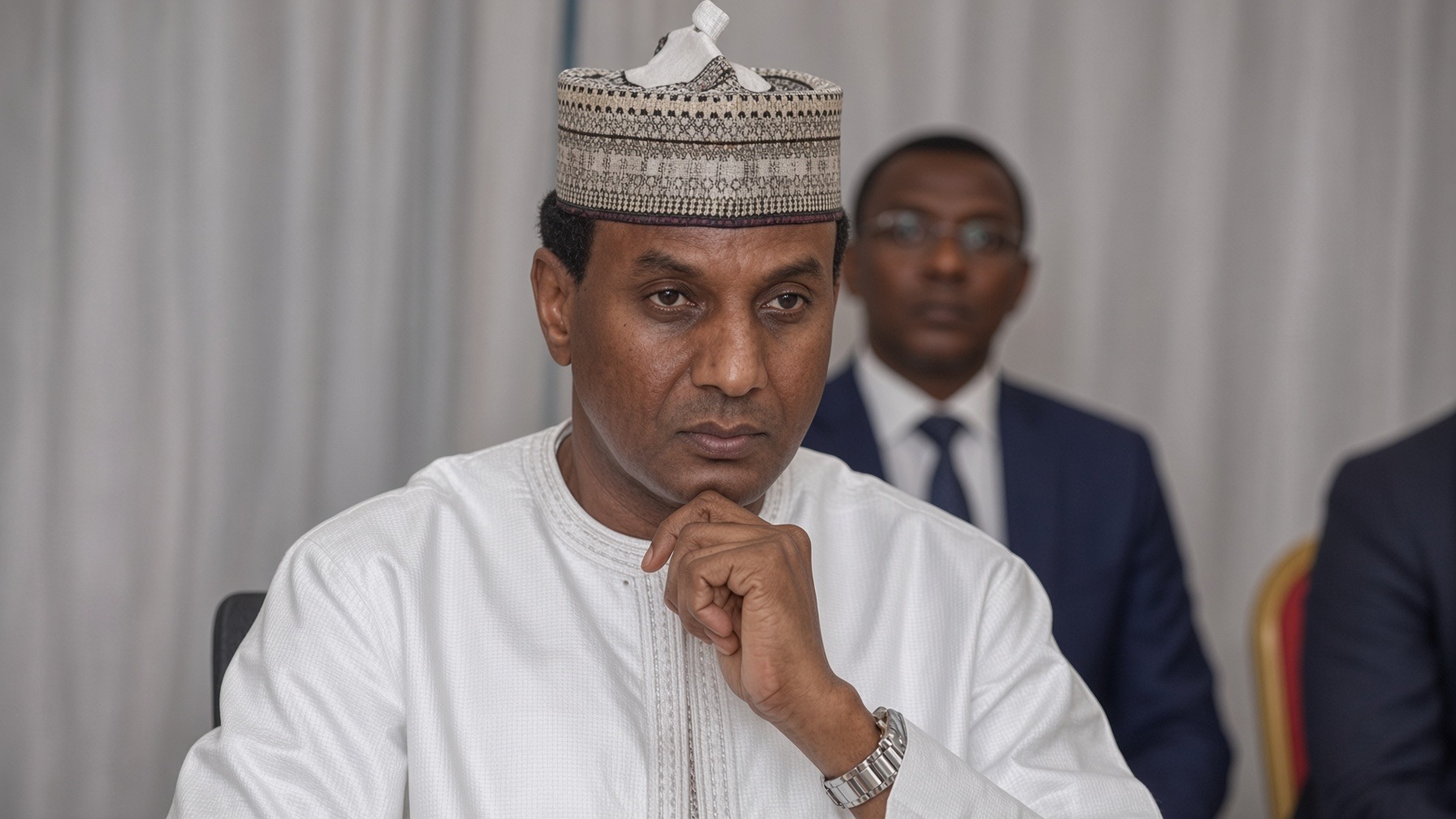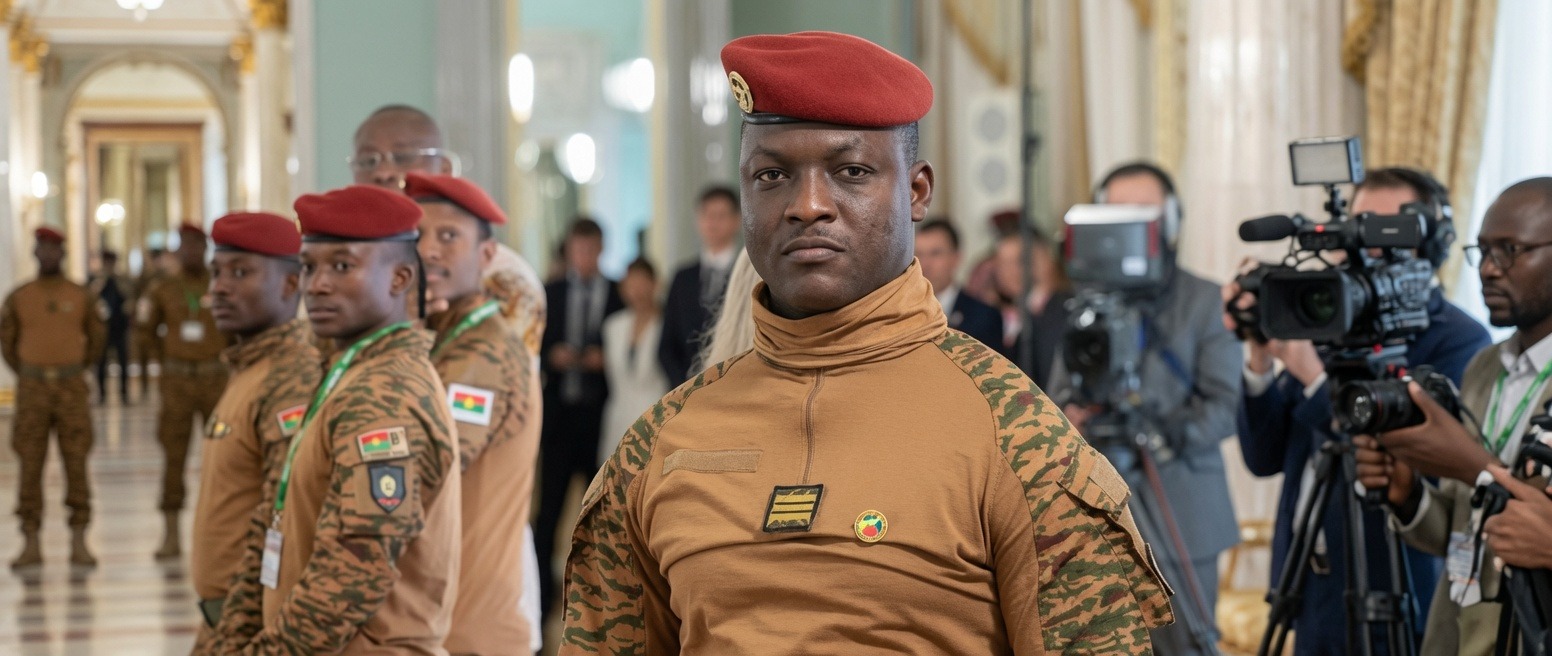

President Mahamat Idriss Déby Itno’s relentless battle against insurgency
Since assuming leadership of Chad, President Mahamat Idriss Déby Itno has faced an unrelenting security challenge: the persistent threat posed by Boko Haram along the nation’s southern borders. This conflict, marked by sporadic yet devastating attacks, has evolved into a grueling war of attrition that tests both military resilience and civilian endurance.
The insurgency, spearheaded by factions linked to the Islamic State in West Africa, has intensified under the leadership of Bakura Doro, a figure whose strategic maneuvers have prolonged the confrontation. Despite concerted efforts to dismantle these militant networks, the group continues to exploit vulnerabilities in the region’s security architecture.
Escalating threats in the Sahel region
The Chad Boko Haram conflict is not an isolated crisis but part of a broader pattern of instability sweeping across the Sahel. Neighboring nations have also grappled with similar challenges, creating a regional security dilemma that demands coordinated responses. Chad’s strategic position makes it a critical player in countering these threats, yet the task remains daunting.
Military operations have succeeded in pushing back insurgent forces at times, but the group’s adaptability and use of unconventional tactics ensure the conflict persists. Boko Haram operatives have demonstrated a troubling ability to regroup, rearm, and launch surprise offensives, undermining stability in local communities.
Humanitarian toll of prolonged conflict
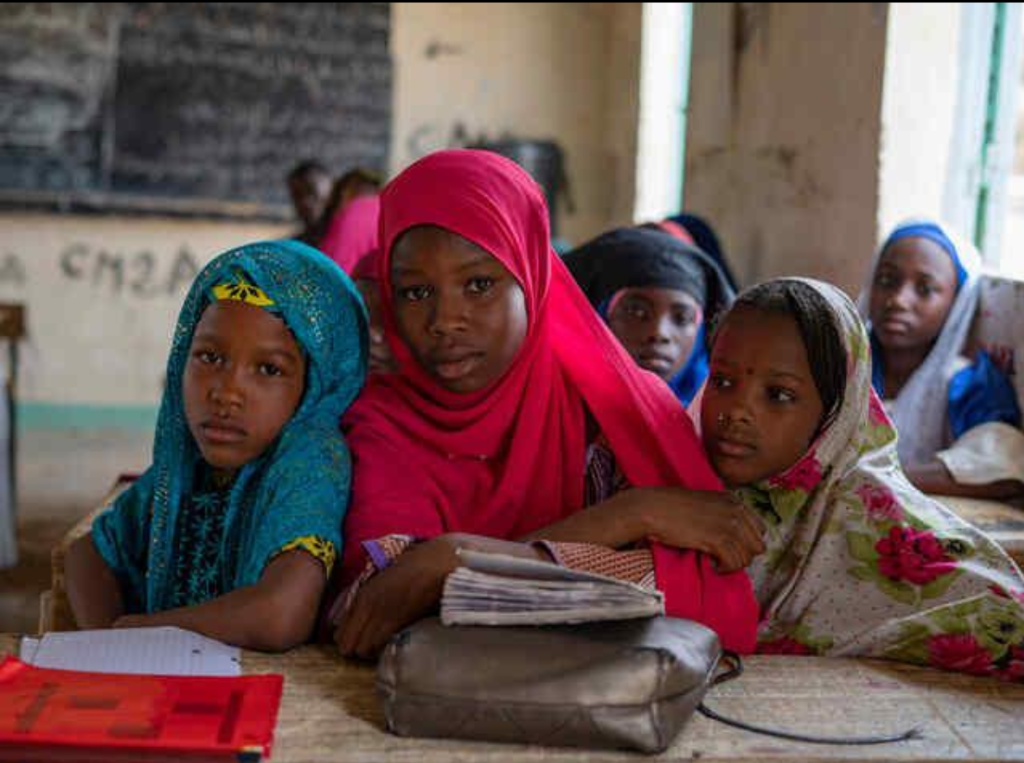
The Chad Boko Haram conflict has exacted a heavy humanitarian price. Displacement, loss of livelihoods, and disrupted access to essential services have left thousands of families in precarious conditions. Aid organizations report growing needs for shelter, food, and medical assistance as the crisis drags on.
- Mass displacement: Entire villages have been abandoned due to the constant threat of violence, forcing residents into overcrowded refugee camps.
- Economic strain: Local markets struggle to function, and agricultural activities have been severely disrupted, exacerbating food insecurity.
- Healthcare gaps: Clinics and hospitals face shortages of supplies and personnel, leaving civilians vulnerable to disease and injury.
Government strategies and international cooperation
President Déby Itno has pursued a multi-pronged approach to address the insurgency. Enhanced military patrols, intelligence-sharing initiatives, and community-based defense programs have been implemented to strengthen national resilience. However, the complexity of the threat requires sustained international support, particularly from regional allies and global partners invested in Sahel stability.
The government has also prioritized dialogue with local leaders to foster trust and encourage defections from militant ranks. These efforts aim to isolate extremist elements while addressing the root causes of recruitment, such as poverty and lack of education.
Challenges ahead in Chad’s security landscape
As the Chad Boko Haram conflict enters its latest phase, several key challenges loom large. The resilience of extremist networks, porous borders, and the humanitarian crisis all demand urgent attention. Meanwhile, the government must balance its military response with efforts to restore normalcy and rebuild trust in affected regions.
For President Mahamat Idriss Déby Itno, the path forward is fraught with obstacles. Yet, the stakes could not be higher—stability in Chad is vital not only for its citizens but for the broader Sahel region’s future. The coming months will test the nation’s determination to overcome this enduring challenge and secure lasting peace.