Tchad: french funding of $22.5 million to boost cotton sector
Chad, Central Africa’s second-largest cotton producer, secures a €19.35 million grant from France to revitalize its struggling cotton industry.
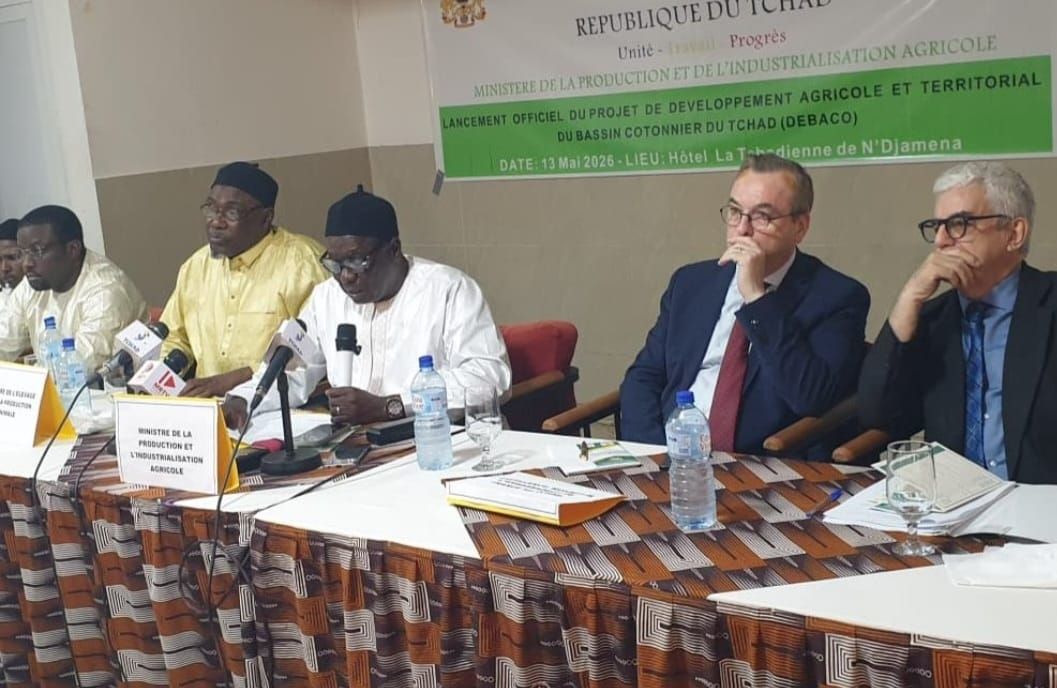
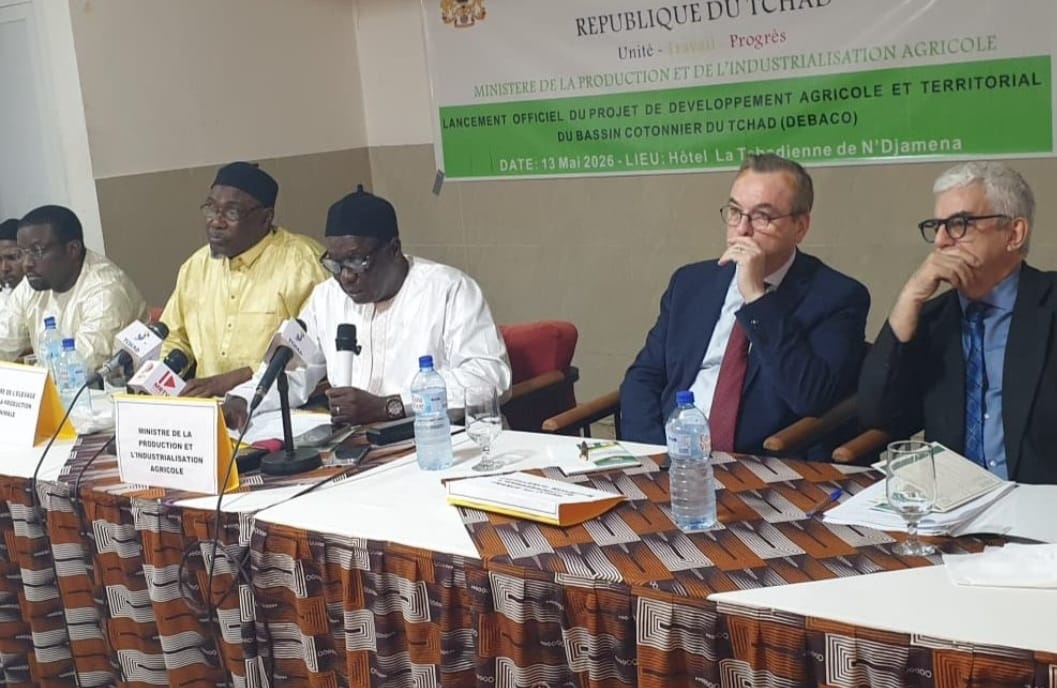
Chad ranks second only to Cameroon in cotton output across Central Africa, yet its production has struggled with inconsistency in recent seasons. To reverse this trend, N’Djamena has unveiled the Projet de Développement agricole et territorial du bassin cotonnier du Tchad (DEBACO), a five-year initiative backed by a €19.35 million grant from the French Development Agency (AFD).
The program, launched on May 13, represents a strategic shift in French agricultural cooperation, focusing not just on cotton but also on key food crops such as sorghum, maize, cowpea, and peanuts—all vital to national food security.
Rural development through integrated planning
DEBACO is designed to strengthen land-use planning, secure livestock migration corridors, and reduce farmer-herder conflicts through local dialogue platforms. These measures aim to stabilize agricultural output while supporting sustainable resource management.
The initiative targets two key provinces—Mayo-Kebbi Ouest and Moyen-Chari—which together account for nearly a quarter of Chad’s annual cotton harvest, according to USDA data. By addressing systemic challenges in these regions, the project seeks to lay the foundation for long-term growth.
From volatility to recovery?
Cotton production in Chad has seesawed dramatically in recent years. After a 9% jump in the 2023–2024 season, bringing output to 111,262 tons, production plummeted by nearly half to 57,774 tons the following year. Forecasts for 2025–2026 suggest a partial rebound to 75,000 tons—a 29.8% increase—but analysts warn that sustainable progress will depend on structural improvements.
With DEBACO now in motion, all eyes are on whether this French-backed initiative can help Chad’s cotton sector break free from its cycle of volatility and build a more resilient future.