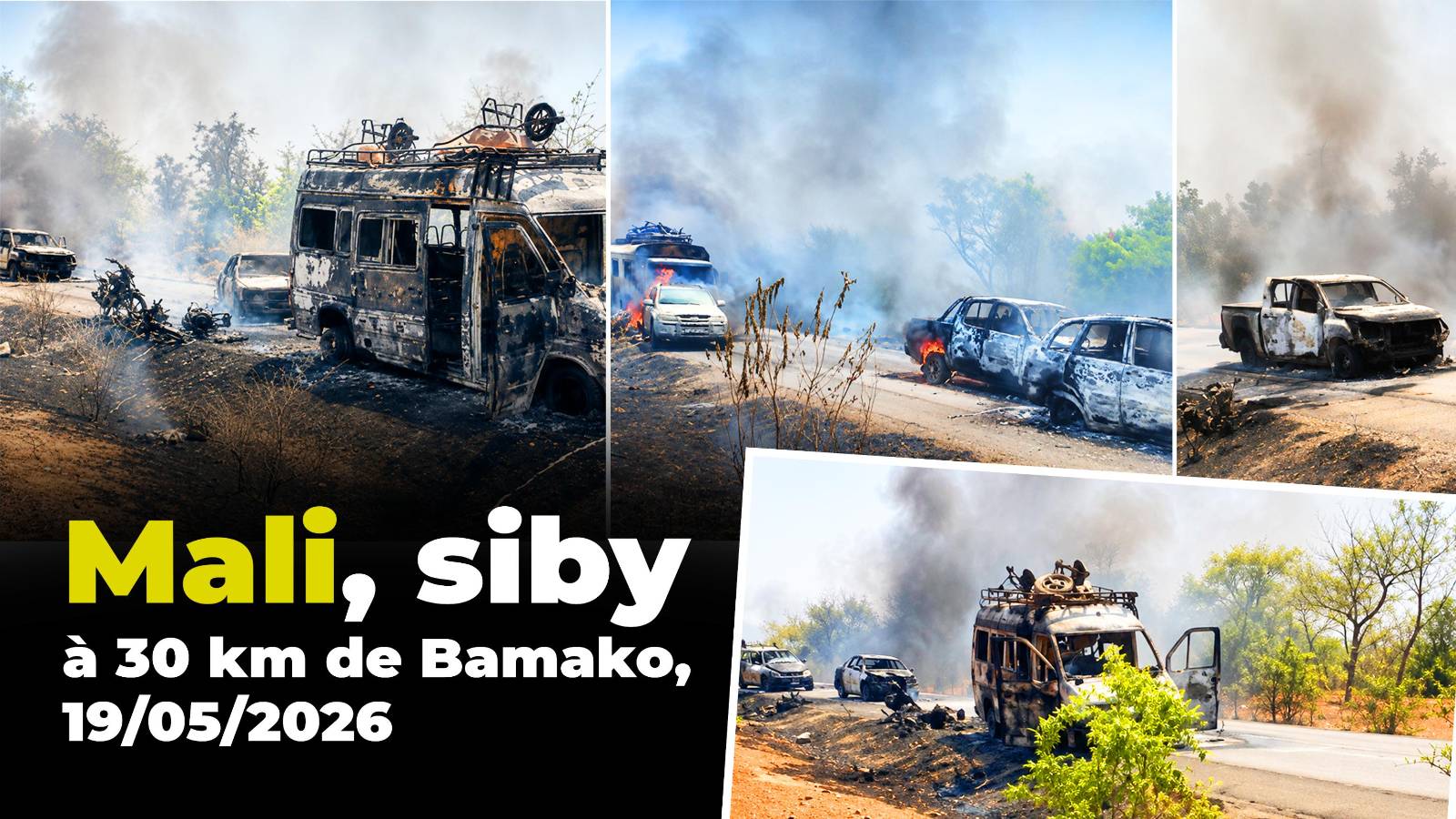
The question hangs heavy over Bamako: is the capital truly secure anymore? Once a forbidden topic, this doubt now echoes with grim urgency. On a fateful Tuesday in May 2026, the rural commune of Siby—just 30 kilometers southwest of the capital—became the stage for an unprecedented assault. Dozens of commercial trucks, passenger vans, and Toyota Hilux pickup trucks were deliberately torched by fighters from the Group for the Support of Islam and Muslims (JNIM). This brazen strike shatters the fragile illusion peddled by official statements: Bamako is under siege, and the military junta’s security strategy, backed by its Russian allies, is crumbling under the weight of reality.
a gateway to hell at the capital’s doorstep
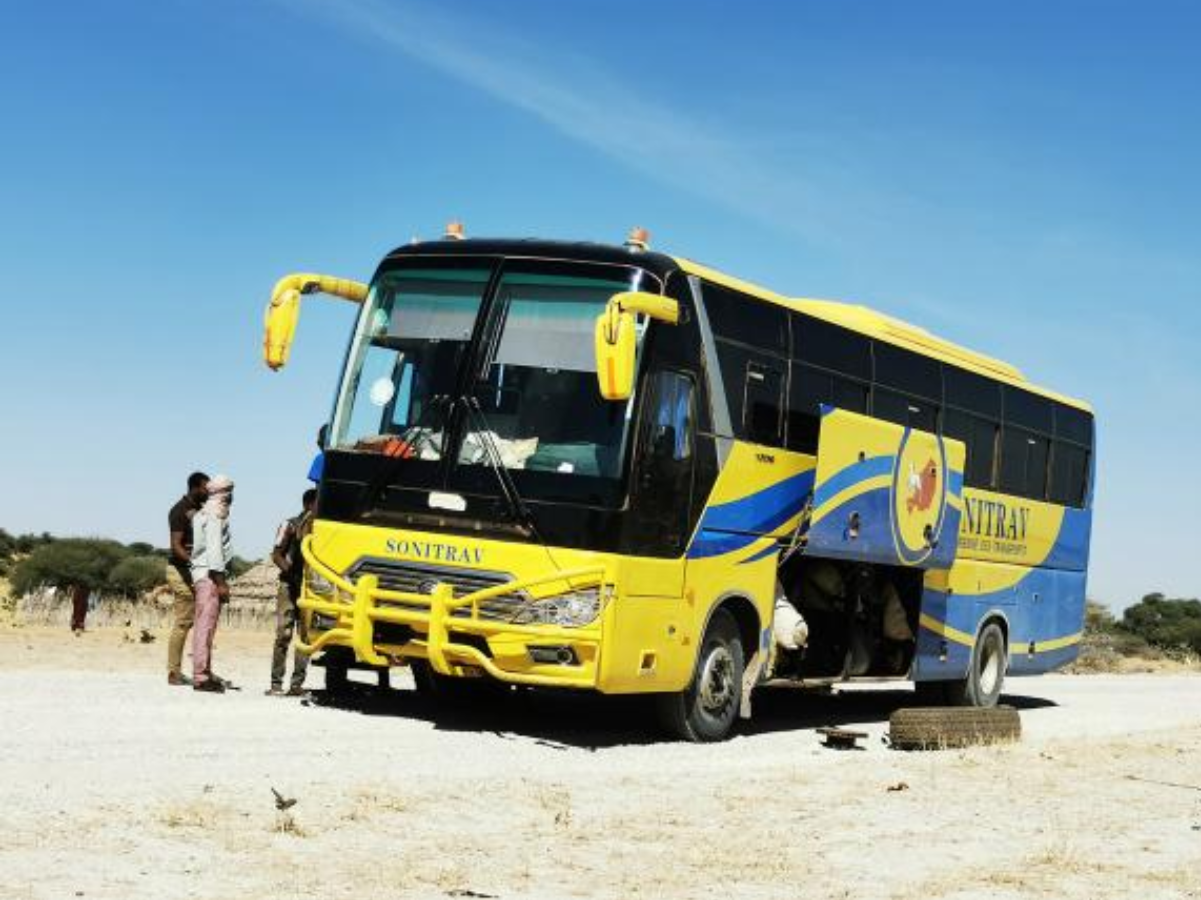
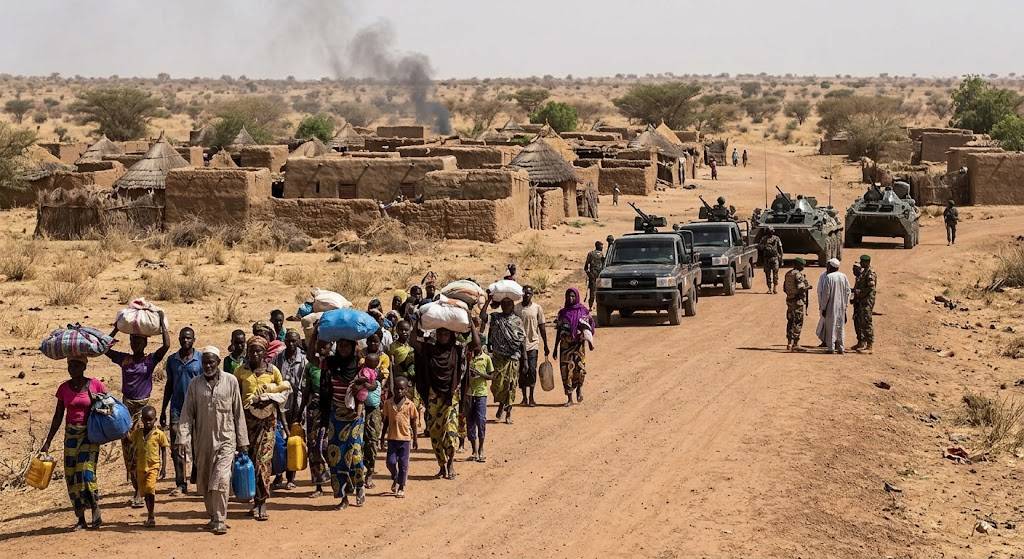
That afternoon, the national highway linking Mali to Guinea became a stretch of fire and chaos. Survivors and local transporters recount how armed gunmen on motorcycles descended upon the road near Siby with chilling precision. With little to no resistance, the attackers intercepted convoys of vehicles at will. The aftermath was devastating: refrigerated trucks, minibuses, and private cars were reduced to smoldering wrecks. Columns of black smoke billowed into the sky, visible for miles, sending shockwaves of panic through the outskirts of Bamako. Beyond the immediate economic losses for struggling traders, the attack carried a chilling message. Striking Siby—long celebrated as a cultural and tourist jewel under the ancient Kouroukan Fouga charter—proves that no corner of Mali remains beyond the reach of jihadist terror.
the JNIM blockade: a deliberate stranglehold on Bamako
The Siby assault wasn’t an isolated incident. It marks the latest escalation in a calculated campaign by the JNIM to strangle the Malian capital into submission. For months now, the group has tightened its grip on nearly every major supply route leading to Bamako. Whether it’s the road to Ségou, the corridor toward Senegal, or the southern route connecting to Guinea and Côte d’Ivoire, travel has become a deadly gamble. The JNIM enforces its rule through mobile checkpoints, extorting drivers and torching cargo at will. By severing Bamako’s lifelines, the armed group seeks nothing short of economic and social collapse. Prices for staple goods have skyrocketed in the capital’s markets, fueling public anger that the transitional government struggles to contain.
the junta and Russia’s Africa Corps: a partnership of failure
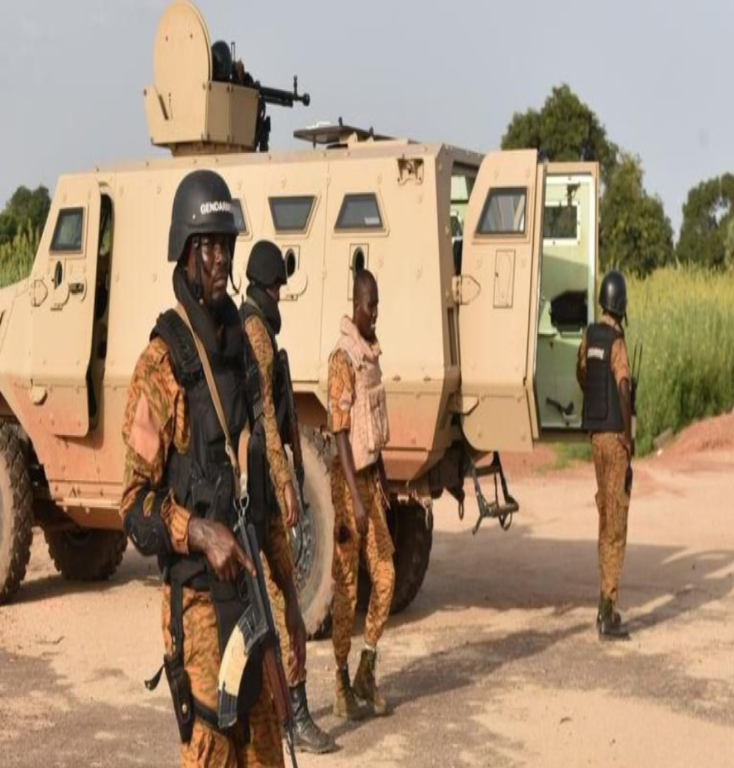
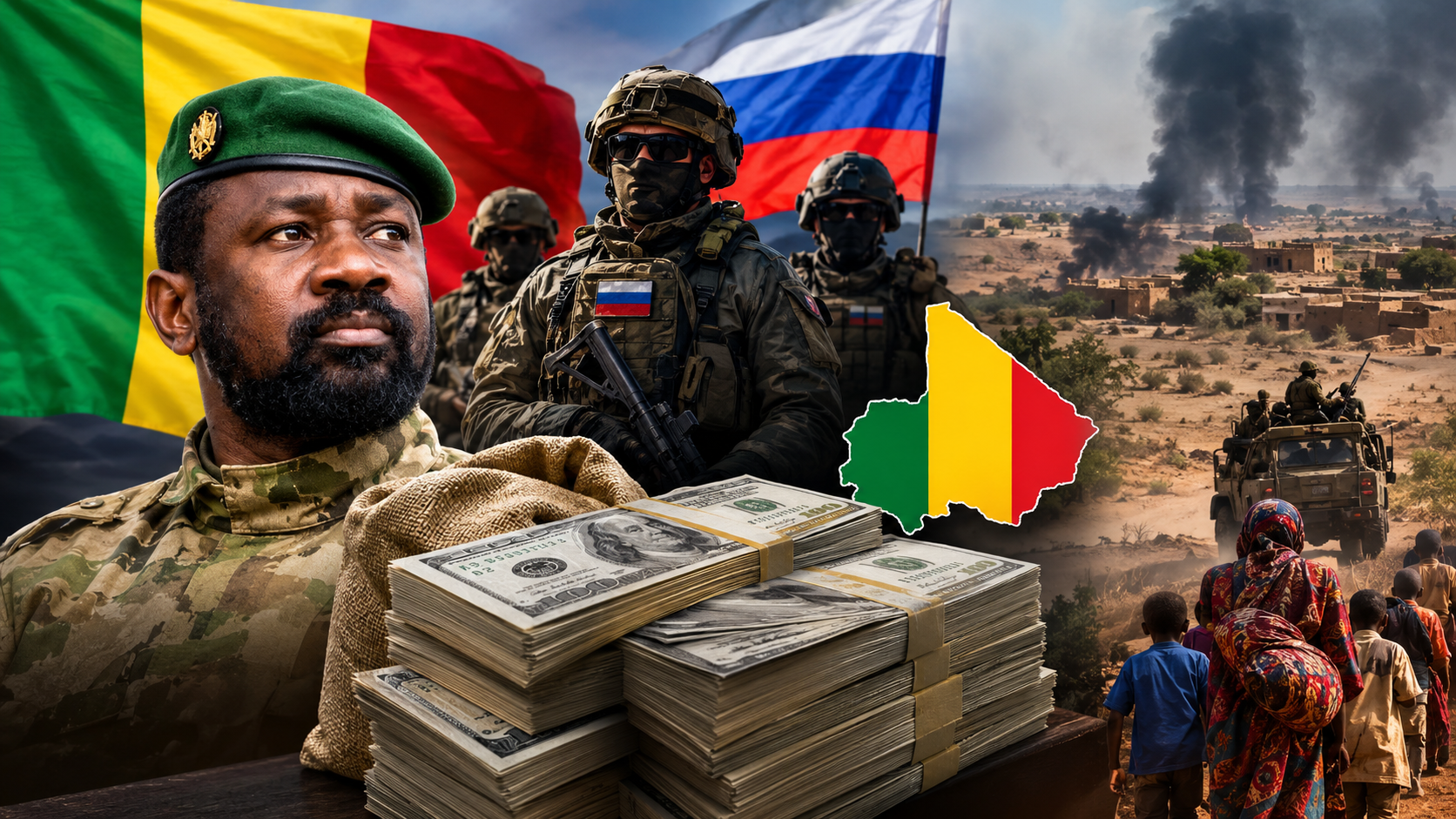
Facing this relentless offensive, the official narrative of Mali’s Armed Forces (FAMa) “rising to the challenge” collides brutally with ground realities. Since international forces withdrew, the military junta has staked its legitimacy on its alliance with Russian paramilitaries known as Africa Corps (formerly Wagner). Yet the events of recent weeks expose the hollowness of this gamble. The Russian mercenaries, bankrolled by Malian taxpayers, have proven woefully inadequate at preempting or repelling major attacks just 30 minutes from the presidential palace in Koulouba. Their approach, heavy-handed and fixated on punitive raids or securing mining sites, offers no tactical solution to the insurgency’s asymmetric warfare. Joint patrols by FAMa and Russian forces lack the foresight and territorial coverage to safeguard critical supply routes, leaving Bamako’s survival dependent on the mercy of armed groups. While propaganda campaigns continue to flood social feeds, the operational failures on the ground are impossible to ignore.
Bamako stands at a crossroads
The inferno in Siby serves as a final warning. Denial is no substitute for defense policy. By allowing the JNIM to establish a blockade around Bamako and strike at its doorstep, the junta and its Russian partners have laid bare their strategic impotence. For Malians, the bitter truth is undeniable: the promise of restored sovereignty and absolute security has evaporated in the face of burning trucks and severed roads. If Bamako hopes to avoid total strangulation, a fundamental reassessment of its military strategy and alliances is no longer optional—it is a matter of national survival.