Point Zéro falls to Twirwaneho and M23/AFC-M23 in Sud-Kivu’s highlands
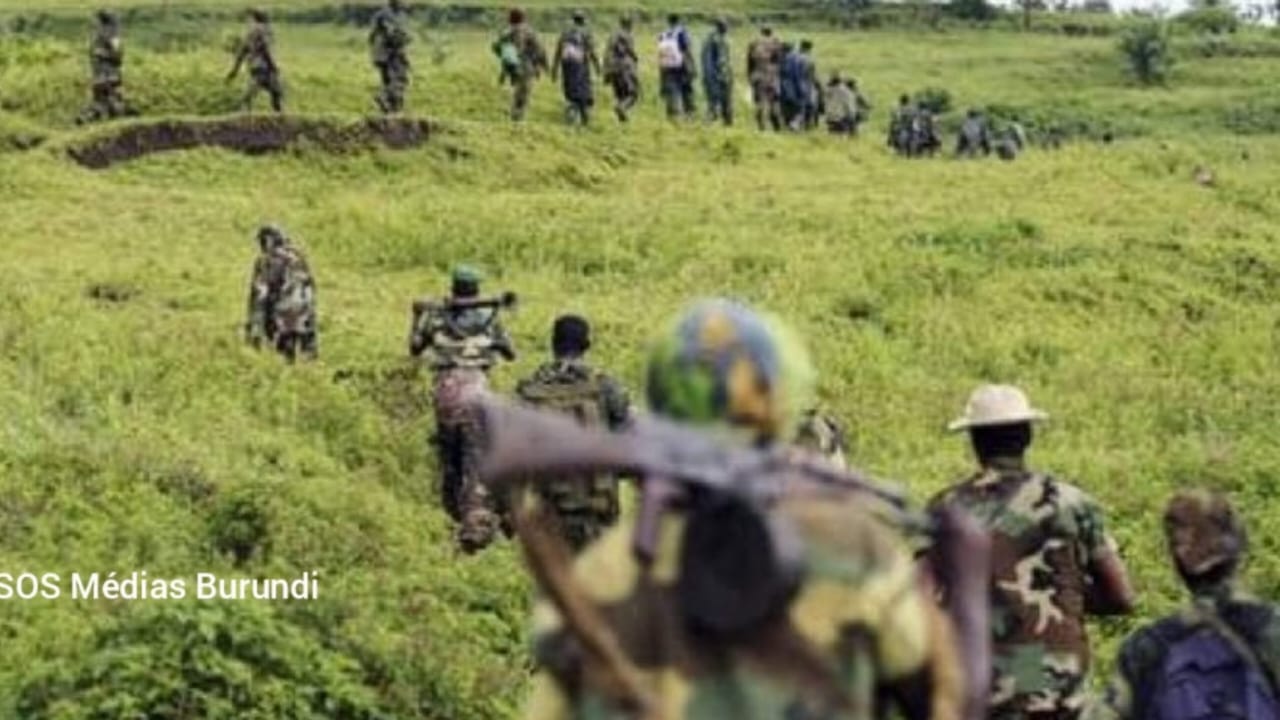
Minembwe, 6 July 2026 — The armed groups Twirwaneho and M23/AFC-M23, part of the Alliance Fleuve Congo (AFC-M23), claim to have seized control of Point Zéro, a critical military outpost in the Itombwe highlands of Mwenga territory, Sud-Kivu. According to their joint statement, the position had been a key stronghold for the Democratic Republic of the Congo’s Armed Forces (FARDC), Burundi’s National Defence Force (FDNB), and pro-government Wazalendo militias in the volatile highland region. No official response has been issued by the Congolese or Burundian authorities as of this report.
The communiqué, signed by Twirwaneho’s military spokesperson Fidèle Rugabo, details a two-day offensive launched on 4 July that culminated in the capture of Point Zéro after intense clashes. The statement asserts that FARDC units, Burundian troops, and allied militias abandoned their positions without resistance.
Surrounding areas see intensified clashes
Local residents and observers report heavy fighting along key supply routes connecting Mikenge, Kalongi, and Rubemba. In Minembwe, civilians remain cautiously optimistic that the fall of Point Zéro could signal a reduction in violence, though many express skepticism given the region’s history of persistent conflict.
« We’ve lived with the sound of gunfire for months. If this really means the end of attacks here, it would be a relief, » shared a local resident under condition of anonymity.
Withdrawals and repositioning reported
Multiple unconfirmed reports suggest that FARDC and FDNB forces have retreated from several strategic positions—including Point Zéro, Mikenge, Kalongi, Rubemba, and Kakenge—consolidating their presence in safer areas such as Mutambala, Mukera, and Fizi territory. These claims remain unverified by independent sources.
Strategic significance of Point Zéro
Nestled in the Itombwe massif, Point Zéro occupies a pivotal location in Sud-Kivu’s highlands, controlling vital transit corridors between Minembwe, Mikenge, Mwenga, and Fizi. The area has become a flashpoint for clashes between armed factions, government forces, and foreign troops.
Since the M23/AFC-M23 withdrew from Uvira in January 2026, fighting has escalated across the highlands, drawing in FARDC, Burundian contingents, Wazalendo militias, and Twirwaneho forces under the AFC-M23 umbrella.
Burundi’s military role and regional tensions
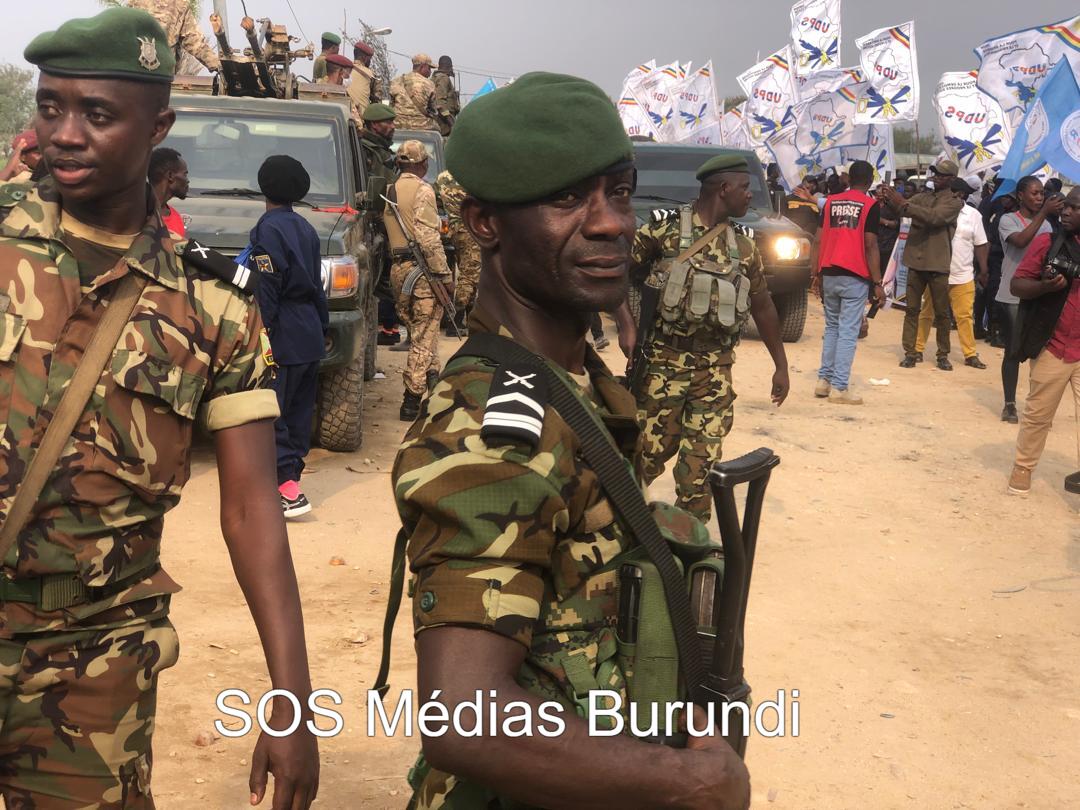
Burundi’s deployment in eastern DRC is governed by a bilateral security agreement with Kinshasa, which authorizes the FDNB to operate on Congolese soil. Officials confirm that over 29,000 Burundian troops were deployed between August 2022 and December 2025, initially to counter Burundian rebel groups like RED-Tabara but now participating in joint operations with FARDC.
Recent months have seen troop shifts in Mwenga, Fizi, and Uvira as clashes intensify between government-backed coalitions and armed factions.
Regional rivalries fuel conflict
Tensions in eastern DRC are exacerbated by geopolitical rivalries. The Congolese government accuses Rwanda of supporting the M23/AFC-M23, a claim denied by Kigali. Rwanda, in turn, alleges that FARDC collaborates with the Democratic Forces for the Liberation of Rwanda (FDLR), a group composed largely of former Hutu extremists linked to the 1994 genocide.
Burundi has also accused Rwanda of backing armed factions in eastern DRC, while Kigali points to Gitega’s alleged cooperation with the FDLR and other hostile groups.
Diplomatic efforts fail to curb violence
The announcement comes despite recent diplomatic attempts to stabilize eastern DRC. A 27 June 2026 agreement brokered in Washington between Kinshasa and Kigali aimed to de-escalate tensions and outline military disengagement. Yet, fighting continues unabated in Sud-Kivu’s highlands, underscoring the region’s enduring instability.
The highlands remain one of the most volatile zones in the Great Lakes region, where local rivalries, communal tensions, and geopolitical interests sustain a protracted and complex conflict. As of now, neither FARDC, FDNB, nor Burundian authorities have responded to the armed groups’ claims.