Mali at the brink: Issouf Ag Maha’s unfiltered take on a nation unraveling
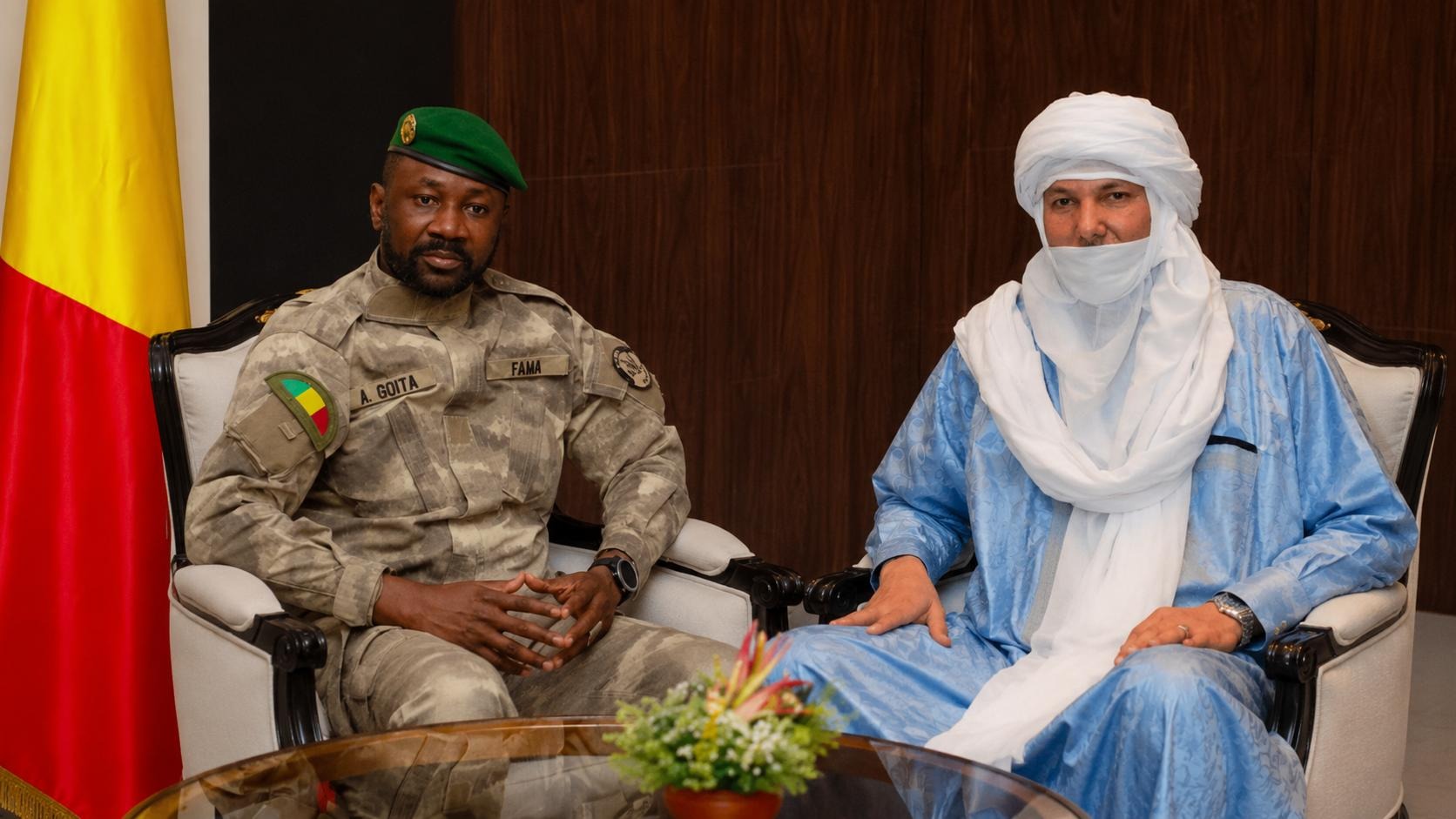
BAMAKO / ANEFIF — Beneath the veneer of strength and sovereignty projected by Mali’s ruling junta, the ground reality tells a starkly different story. From renewed clashes in the North to the burgeoning military momentum of Azawad rebels and the staggering human cost of Mali’s alliance with Russian mercenaries, the country is hurtling toward an unprecedented political and military deadlock. This bleak assessment comes from Issouf Ag MAHA, a prominent Nigerien writer living in exile, who has laid bare the junta’s failures in a scathing critique of Bamako’s leadership.
Power hunger overshadows peace: the junta’s broken promises
Since seizing power in August 2020, the military leadership vowed to restore territorial integrity and end insecurity. Yet six years later, the results are devastating. By unilaterally scrapping the Algiers Accords in January 2024, the transitional authorities sealed the last pathway to political dialogue with Northern movements, reigniting armed confrontation.
In a brutally honest analysis, Ag MAHA accuses the junta of succumbing to an « insatiable lust for power » that prioritizes short-term survival over sustainable solutions. As Bamako tightens its grip on power, dissent is crushed, press freedoms are suppressed, and public discourse is silenced. Yet as the regime digs in its heels, its influence is crumbling on the periphery.
Anefif and Kidal: where official narratives crumble
The junta’s confident rhetoric collides with harsh battlefield realities. On July 4, 2026, fierce fighting erupted around Anefif, a key northern stronghold where Malian troops and their Russian allies are entrenched. According to Ag MAHA’s account, a reinforcement convoy dispatched from Gao was ambushed, forcing government forces into a humiliating retreat with heavy casualties.
These clashes are part of a larger shift in power. Following a crushing defeat at Tinzawatène and the recapture of Kidal by the Azawad Liberation Front (FLA), the military balance has tipped dangerously. The FLA’s coordinated offensive over recent months exposes the fragility of Bamako’s claims that the situation remains under control.
FLA’s calculated move: a bid for legitimacy
Amid their military successes, the Azawad rebels have demonstrated a striking contrast in tactics. Ag MAHA highlights a deliberate political choice by the FLA: allowing the withdrawal of some Malian and Russian troops from certain areas. This move, he argues, is a strategic effort to distance themselves from the junta’s brutal methods and showcase adherence to the laws of war—a stark contrast to the regime’s tactics.
Africa Corps: terror as a weapon and the suffering of civilians
Mali’s pivot toward Moscow has materialized in the form of Africa Corps (formerly Wagner Group), a partnership that frees Bamako from Western democratic pressures—at a devastating human cost. Ag MAHA paints a bleak picture of life under Africa Corps’ rule in northern Mali, where civilians endure systemic abuse:
- Arbitrary arrests and forced disappearances.
- Summary executions of civilians.
- A deliberate campaign of terror targeting local communities.
Despite mounting evidence, Bamako continues to deny all allegations, burying its head in denial—a denial the analyst warns could irreparably fracture national cohesion.
Mali on the precipice: the world looks away
The Malian crisis unfolds under the increasingly indifferent gaze of the international community. Ag MAHA condemns the « deafening silence » of global actors, regional bodies, and the international press. He questions whether the world will wait for a purely military resolution or if Mali has simply faded from global concern.
For the analyst, Mali is edging toward a point of no return, where the possibility of credible dialogue grows slimmer by the day. By prioritizing the illusion of total military victory over the republican principles of justice, equality, and diversity, the junta risks presiding not over a rebirth of Mali—but over its definitive collapse.