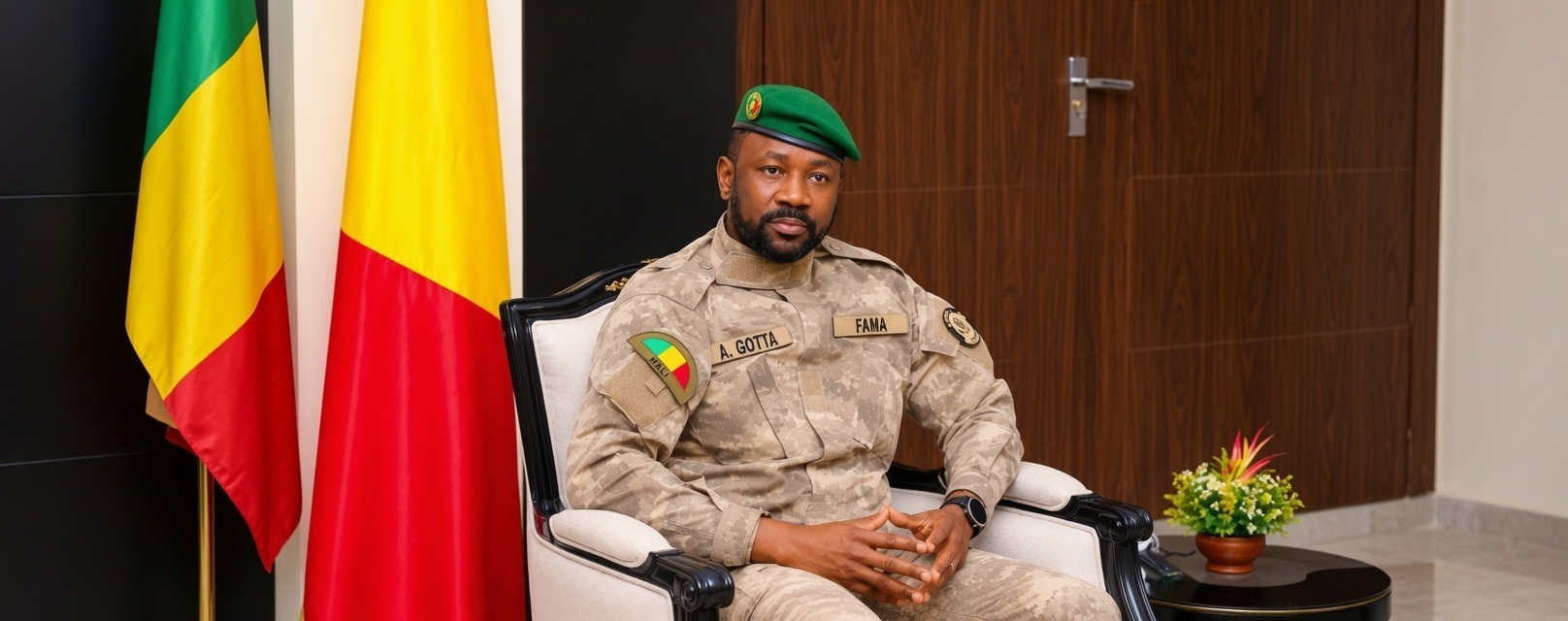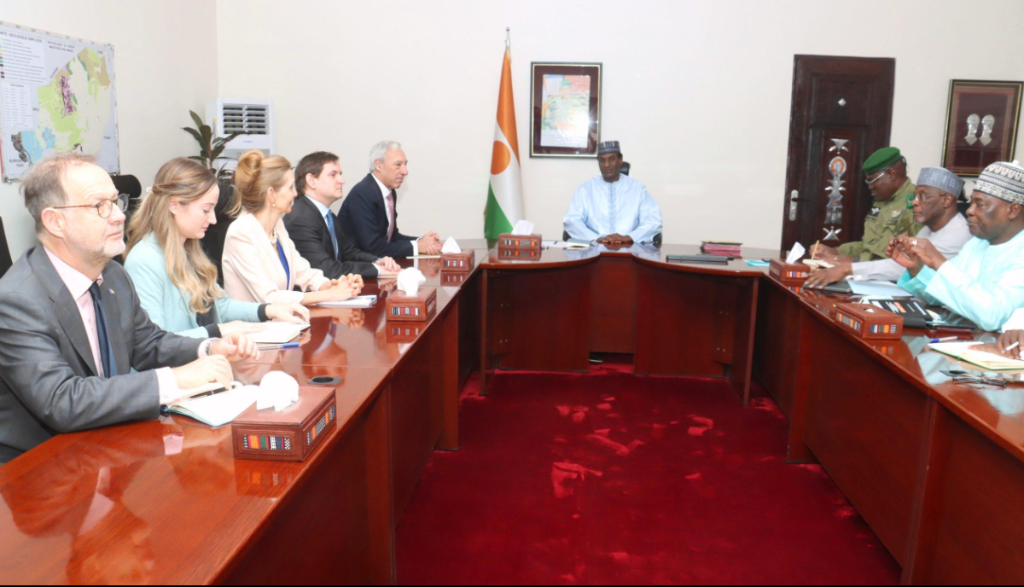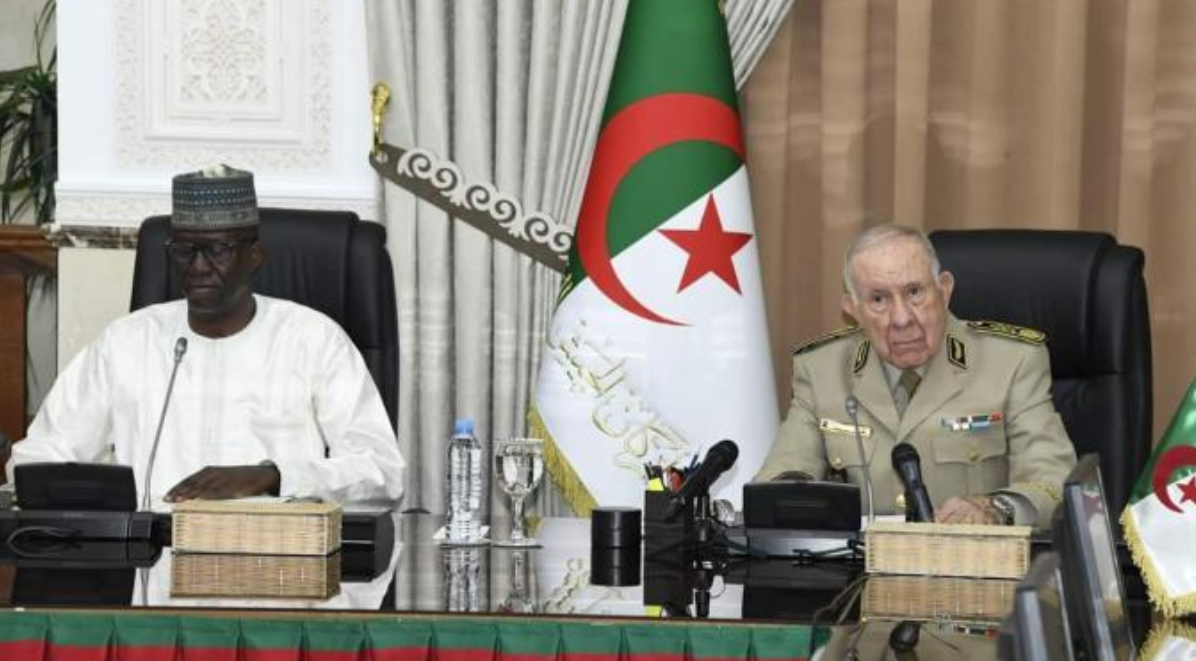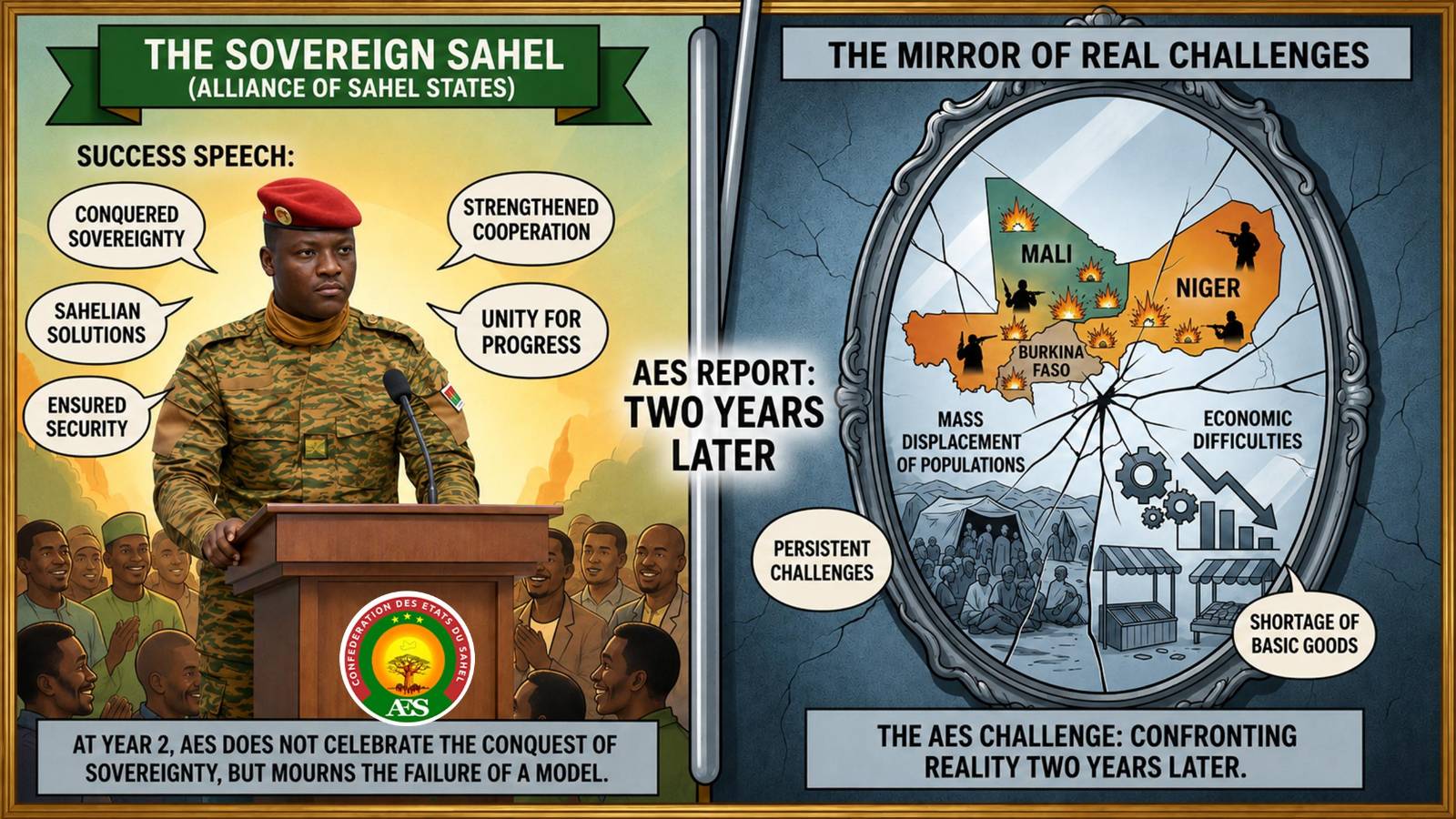
Two years after the establishment of the Confederation of Sahel States (AES), its leaders, including Captain Ibrahim Traoré, continue to champion the alliance as a political and strategic triumph rooted in sovereignty, solidarity, and cooperation among Burkina Faso, Mali, and Niger. This narrative resonates with a segment of the public, yet struggles to convince those seeking concrete outcomes.
The AES leadership asserts that significant progress has been achieved across diplomatic, military, and institutional domains. However, the persistent challenges that prompted the alliance’s formation remain largely unresolved on the ground.
The emphasis on sovereignty has become the defining political stance of AES authorities. Yet sovereignty extends beyond severing ties with traditional partners or forging new international alliances. It fundamentally hinges on a state’s ability to guarantee the safety of its citizens, uphold institutional functionality, safeguard its economy, and provide opportunities for its youth.
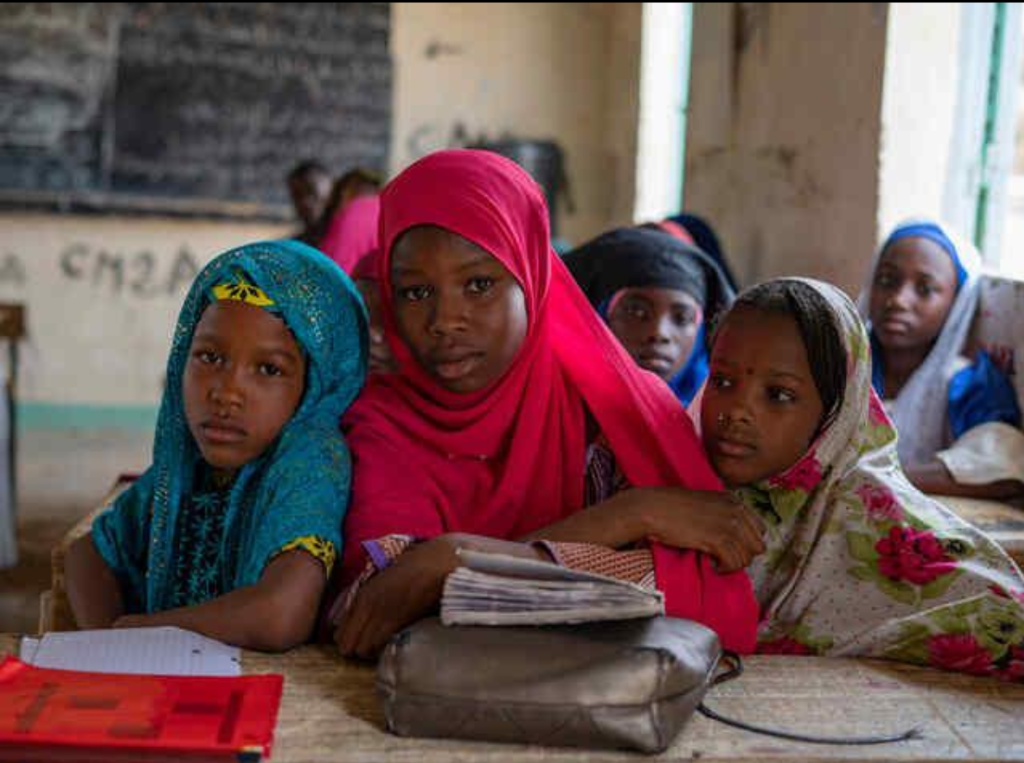
Despite frequent declarations of military success, armed groups continue to operate across multiple regions in all three countries. Countless civilians live under the constant threat of violence, while mass displacements and humanitarian crises persist as daily realities. On the economic front, the anticipated benefits of regional integration remain largely unrealized. Trade flows are sluggish, fiscal constraints endure, and purchasing power continues to decline for many households. For numerous observers, the AES’s projected advantages remain largely aspirational rather than tangible.
The relentless focus on political independence does little to address the pressing needs of the people. Citizens gauge their leaders primarily by their capacity to enhance living standards. Security, access to healthcare, education, employment, and infrastructure remain the true benchmarks of effective governance.
Moreover, the preoccupation with sovereignty often diverts attention from critical governance issues, including transparency and accountability. For a regional union to earn lasting public trust, it must be underpinned by robust institutions, efficient public policies, and responsible resource management.
Undoubtedly, the AES represents a significant shift in the political landscape of West Africa. Yet its legacy will not be shaped by the declarations of its leaders alone. Instead, its success will hinge on delivering measurable improvements for the populations of Burkina Faso, Mali, and Niger. Citizens are no longer satisfied with rhetoric; they demand tangible evidence that this alliance can effectively tackle the enduring security, economic, and social challenges facing the region. The true measure of the AES’s achievements will be found in results—not in the intentions it professes.