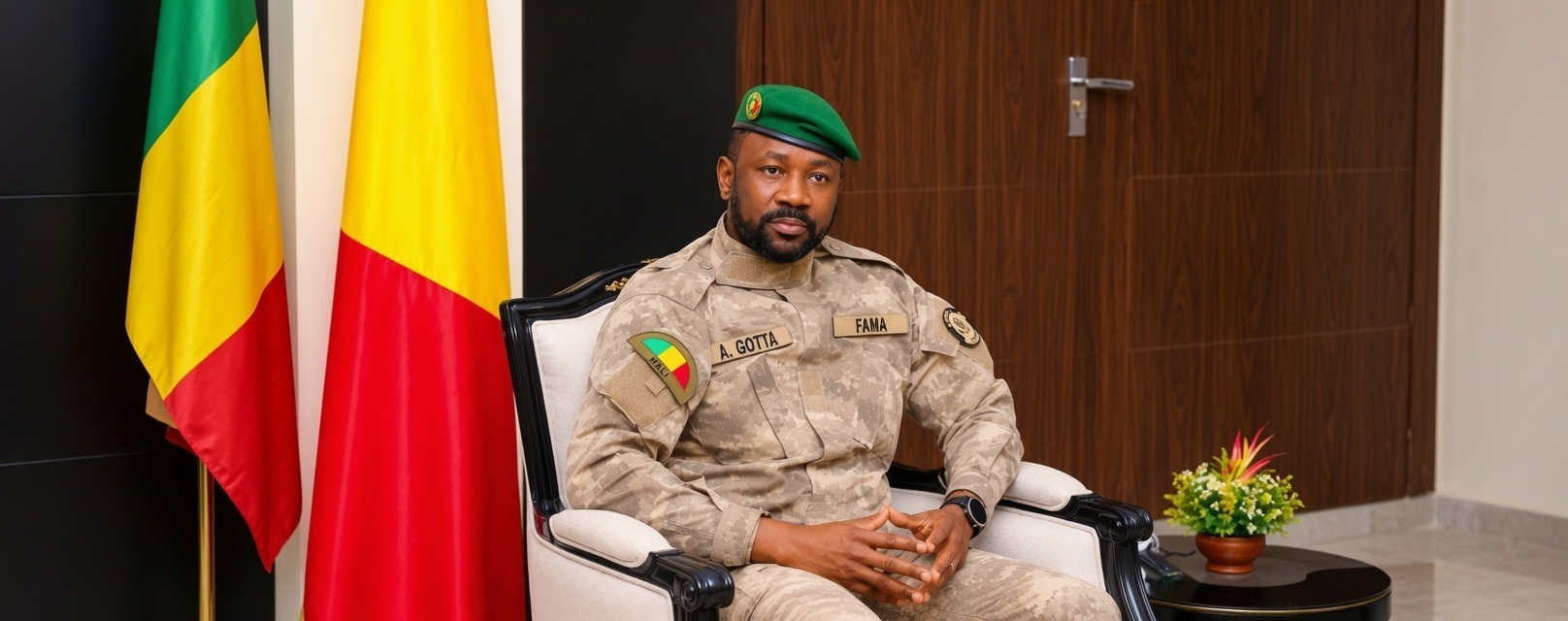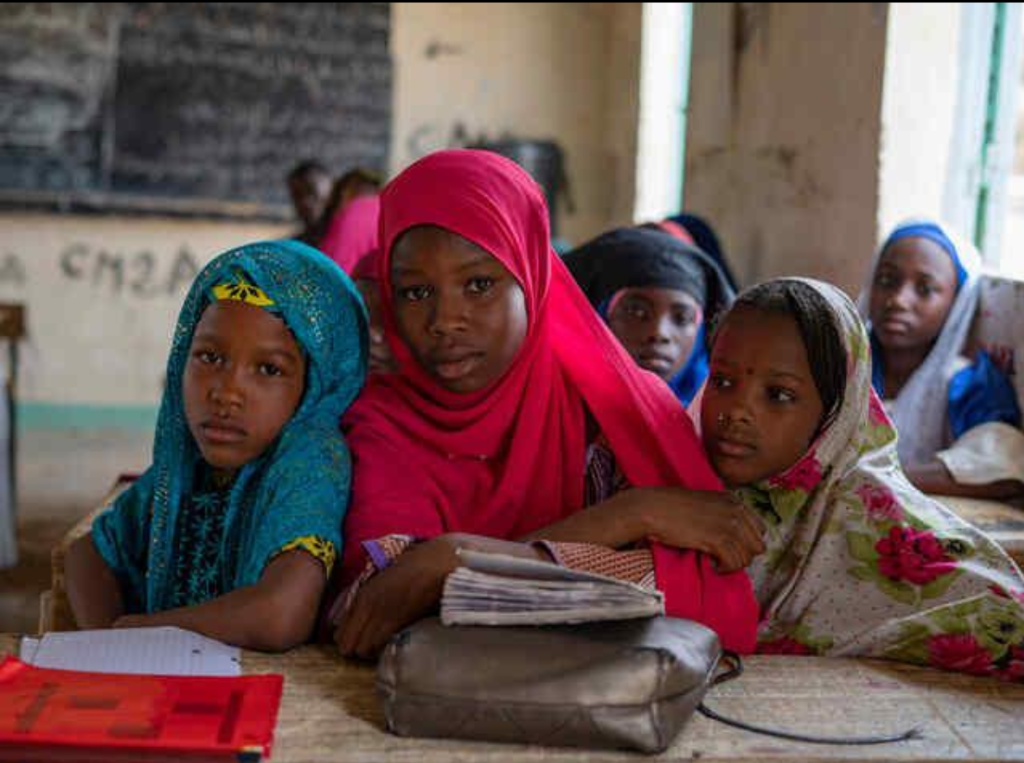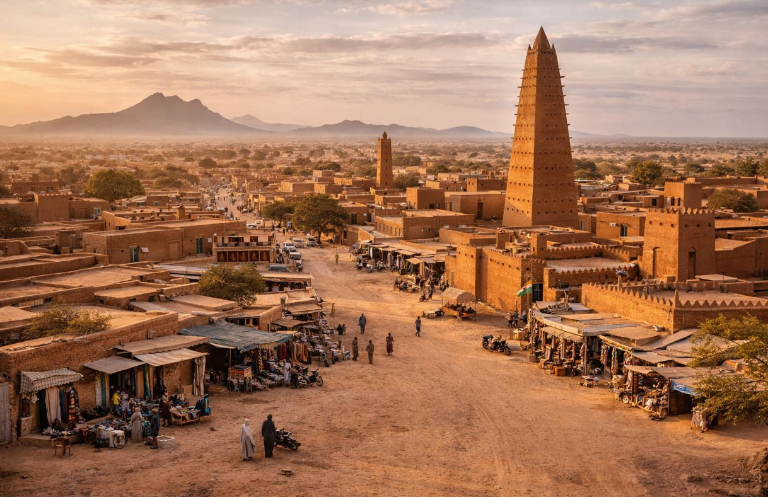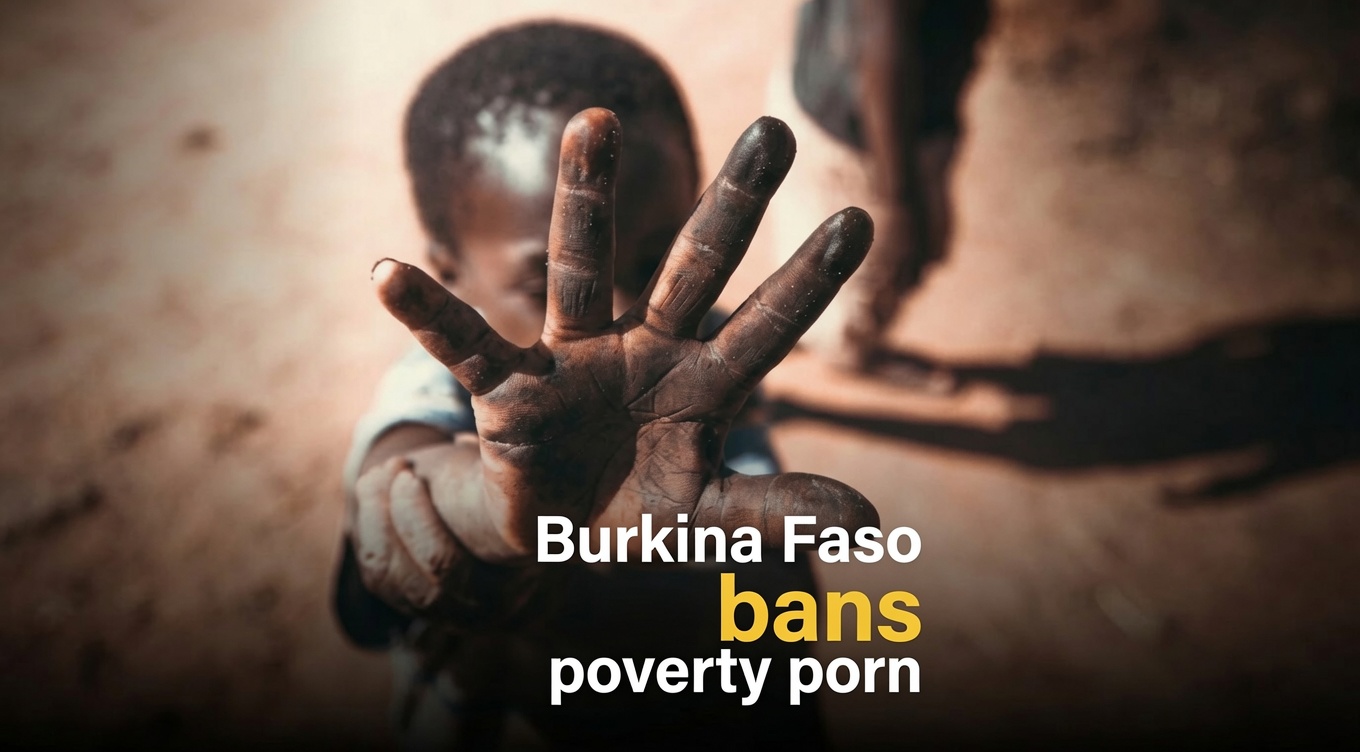
Burkina Faso has taken a decisive stand against the exploitative practice of portraying human suffering for online engagement or fundraising. The transitional government has imposed a strict ban on what sociologists term poverty porn, a move that disrupts long-standing conventions among content creators and humanitarian organizations alike. At its core, this legislation reignites a vital discourse on the preservation of human dignity in an era dominated by digital storytelling.
The ethical dilemma of digital misfortune
Social media platforms have turned human hardship into a form of currency, where images of malnourished children, internally displaced persons, or families in dire straits are amplified for emotional impact. While the stated aim may be altruistic—raising awareness or mobilizing resources—the execution often strips individuals of their dignity, reducing them to passive objects of pity. It is this very exploitation of suffering that Burkina Faso now seeks to curtail through legislative action.
A dual-purpose policy: ethics and national perception
Beyond ethical considerations, the ban serves a broader strategic purpose. Burkina Faso is navigating a multifaceted crisis, and the widespread circulation of images framing the country solely through a lens of despair poses challenges to its national image. Authorities argue that poverty porn not only dehumanizes affected individuals but also fuels a distorted external narrative that undermines the nation’s sovereignty.
The government’s stance is clear: while it acknowledges the existence of a crisis, it rejects the reduction of Burkina Faso’s identity to a simplistic narrative of helplessness. By regulating the dissemination of such imagery, officials aim to reclaim control over the country’s public narrative, ensuring that its story is told without sensationalism.
The shadow of censorship: concerns over obscured realities
Critics, particularly within civil society and opposition circles, contend that the ban is not purely an ethical safeguard but a tool for political control. They warn that the restriction may be used to conceal the true extent of the humanitarian emergency unfolding across the country. Reports of internal displacement due to insecurity, besieged communities struggling for basic supplies, and widespread hunger persist, yet the new law risks silencing the very voices that could expose these conditions.
To opponents, the legislation functions as a smokescreen, shielding the transition’s image by cutting off a critical channel of public awareness. The debate thus centers on whether the ban protects dignity or merely conceals the crisis under the guise of reform.
Redefining humanitarian communication
For humanitarian actors and communicators, the ban necessitates an urgent reevaluation of their strategies. The challenge now is to convey urgency and mobilize support without resorting to exploitative imagery or violating the new restrictions. The solution lies in shifting focus toward narratives of resilience, agency, and local solutions.
Experts emphasize that crisis communication need not rely on shock value to be effective. By highlighting the courage of affected populations and the collective efforts to address challenges, storytelling can honor human dignity while maintaining transparency. This approach not only preserves the integrity of those most vulnerable but also fosters a more nuanced understanding of Burkina Faso’s ongoing struggles.
The ban on poverty porn thus presents an opportunity to redefine humanitarian advocacy—one where dignity and truth coexist, and where the people of Burkina Faso remain the authors of their own narratives.