Diplomatic overtures masked by economic pragmatism
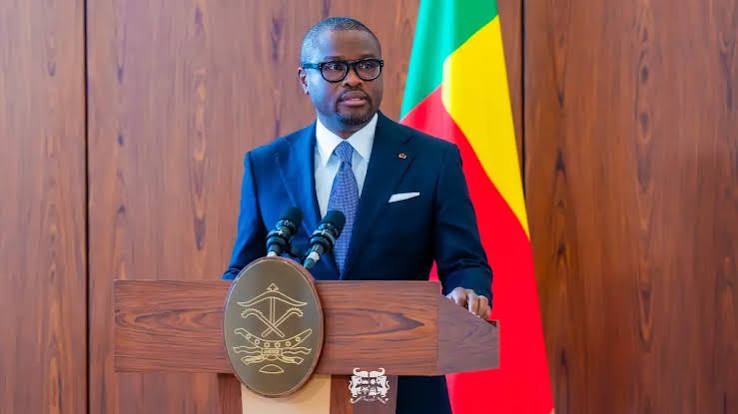
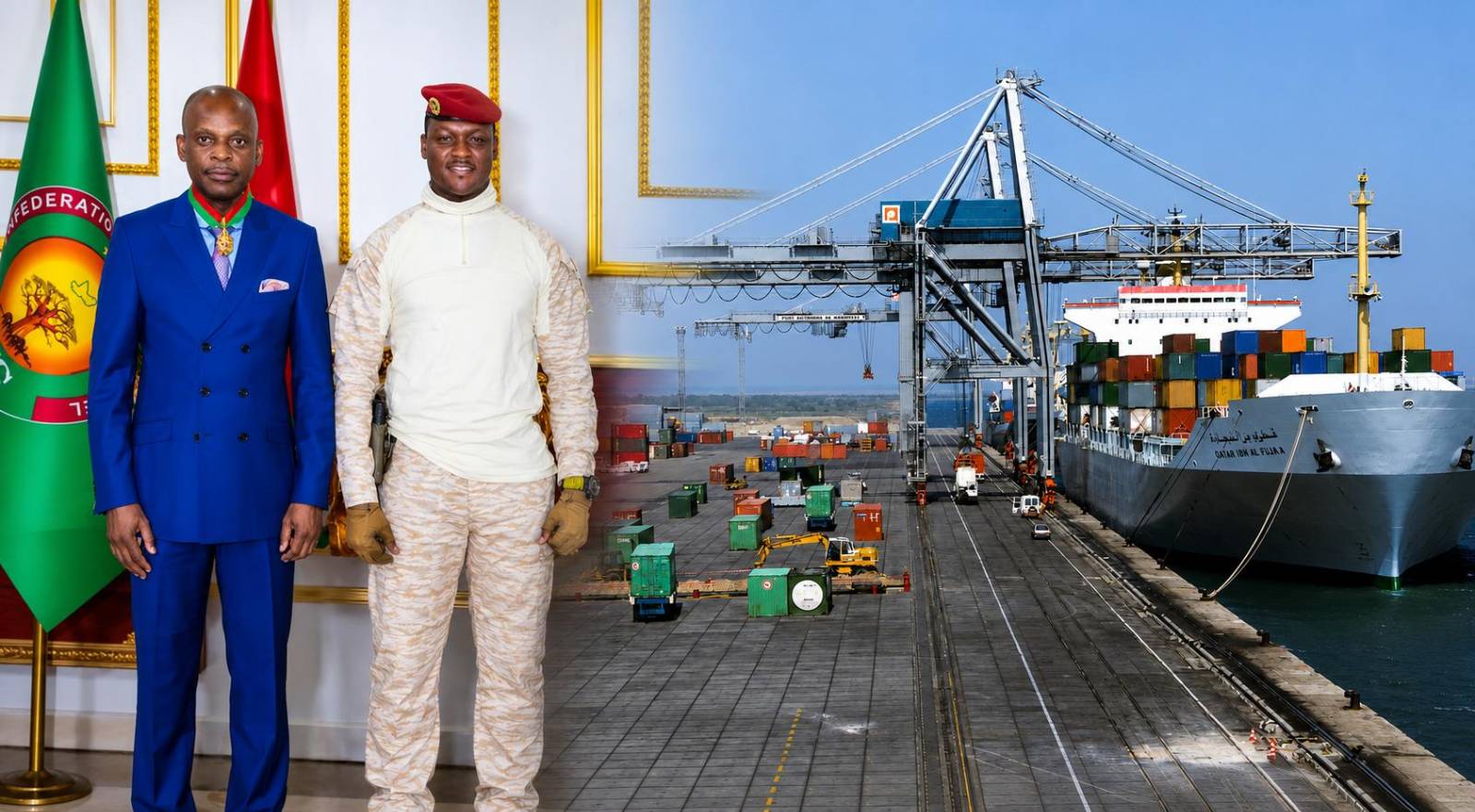
The recent conferment of the Commander of the Order of the Stallions—the highest honor in Burkina Faso—upon Togo’s Minister of Foreign Affairs has been heralded by official channels as a testament to Lomé’s commitment to regional solidarity. Yet beneath the veneer of diplomatic camaraderie lies a narrative far more complex and transactional.
From symbolic gestures to strategic alliances
A closer examination of this accolade reveals a deeper purpose. While accolades often symbolize mutual respect, they may also serve as instruments of political messaging or the reinforcement of alliances. In this instance, the timing and context suggest that the recognition extends beyond mere diplomatic courtesy, particularly given the evolving dynamics between the two nations.
This diplomatic maneuver follows a contentious episode that cast a shadow over relations between the two capitals. The Togolese government’s decision to grant asylum to former Burkina Faso President Roch Marc Christian Kaboré was swiftly reversed, with Lomé prioritizing economic agreements with the new leadership in Ouagadougou. The swift withdrawal of asylum protections for Kaboré underscores a clear prioritization of economic interests over political solidarity.
Ports, trade, and mutual dependence
The strategic significance of the Autonomous Port of Lomé (PAL) cannot be overstated. As a critical gateway for Burkina Faso’s maritime trade, the port’s operations are vital to the landlocked nation’s economy. For Togo, the transit fees and logistical revenues generated by this trade represent a substantial portion of national income. This interdependence has fostered a pragmatic alliance where economic imperatives outweigh traditional diplomatic considerations.
The recent honor bestowed upon Togo’s foreign minister can thus be interpreted as a reward for policies that safeguard these economic exchanges. By aligning with Ouagadougou’s leadership, Lomé has secured favorable conditions for the continued flow of goods through its port facilities—a move that benefits both nations while raising questions about the ethical dimensions of such transactions.
A shift in regional diplomacy
This episode reflects a broader trend in West African diplomacy, where economic and logistical interests increasingly dictate foreign policy decisions. The emphasis on commercial partnerships and strategic alliances often overshadows commitments to democratic values or human rights. Such pragmatism, while beneficial for economic stability, risks eroding public trust in institutions that claim to uphold higher principles.
The contrast between official rhetoric and ground realities is stark. While authorities celebrate the strengthening of bilateral ties, skepticism persists regarding the true motivations behind this rapprochement. When diplomatic gestures are so closely tied to economic benefits, the credibility of appeals to regional solidarity inevitably wanes among the public.
Political realism over ideological alignment
Ultimately, this distinction serves as a microcosm of modern diplomatic engagement in the Sahel. States prioritize their strategic interests, ensuring stability, trade, and security—even if such decisions conflict with their public commitments to ethical governance. The awarding of this honor, therefore, may be less about shared values and more about securing a mutually beneficial economic partnership.
Behind the formalities and diplomatic pleasantries lies a stark reality: alliances are forged in boardrooms as much as in conference halls. This recognition, rather than symbolizing fraternal solidarity, underscores the transactional nature of contemporary diplomacy in West Africa.