Senegal: disturbing study reveals poor quality of sachet water

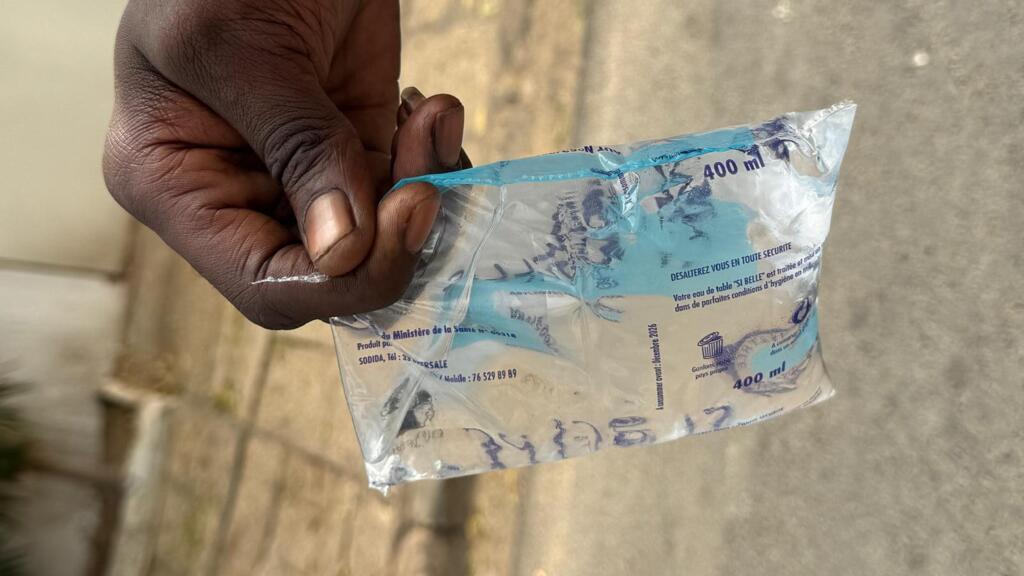
Between August and September 2018, a team of four researchers from the Cheikh-Anta-Diop University in Dakar conducted a significant study on the quality of sachet water, a widely consumed and affordable beverage across Senegal. Their investigation involved collecting 60 water sachets, representing 15 distinct brands, from five of the capital city’s largest markets: Tilène, Thiaroye, Colobane, Grand-Yoff, and Soumbédioune. These small plastic pouches, typically containing 300 ml to 500 ml of water, are a staple for many Senegalese residents.
The findings from this sampling effort are unequivocally concerning. Two separate tests, designed to detect the presence of microorganisms such as molds and various bacteria originating from the environment or intestinal sources, revealed alarming results. The contamination levels significantly surpassed the maximum limits set by the World Health Organization (WHO), highlighting a critical public health issue.
A detailed breakdown of the analysis shows that a substantial 83% of the tested water sachets were contaminated with bacteriological germs. Moreover, 15% of the samples contained coliforms, indicating a potential for contamination by fecal matter. These figures point to a widespread problem in the production and distribution of this popular drinking water source.
The university study attributes these pervasive issues to “defective hygiene during the processing” of the water. It explicitly warns of a “health risk” to “the population of Dakar who consumes these waters” and stresses the urgent need to “prevent consumers” from potential harm, alongside implementing stricter “control over the sale of packaged sachet water.”
This research comes after recent action by Senegalese authorities. In May, police forces successfully dismantled 12 clandestine production sites for these water sachets located on the outskirts of Dakar, underscoring the ongoing challenges in ensuring safe drinking water for the population.

Thérèse Nguimfack
Journalist