New political party for Diomaye shakes Senegal’s opposition landscape
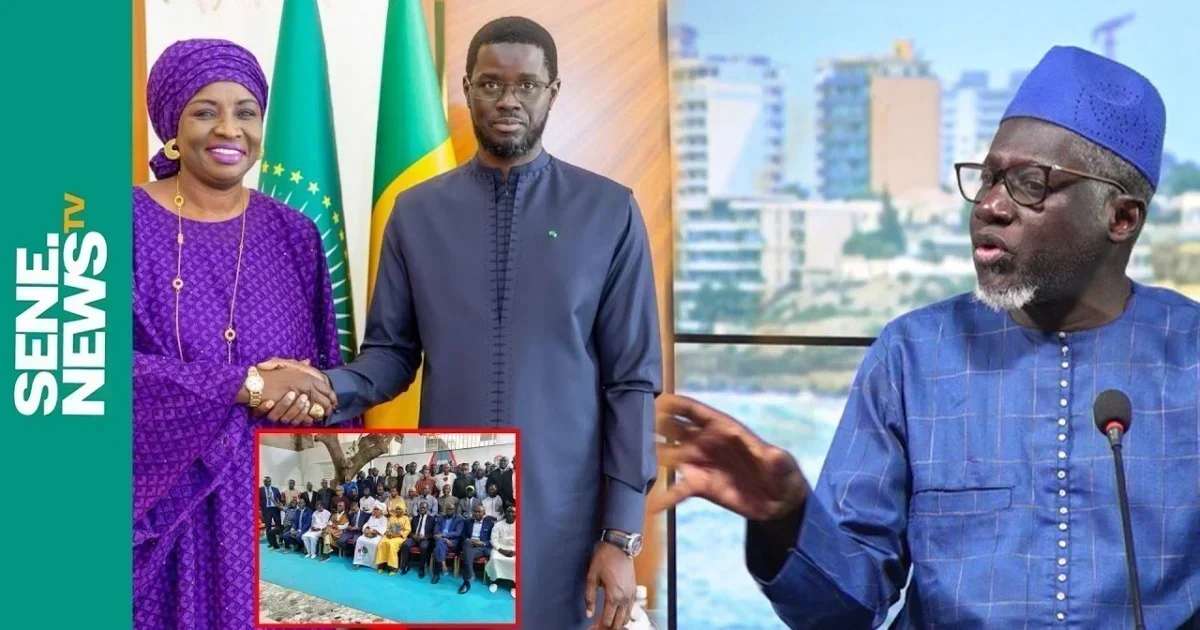
Imam Kanté unveils political initiative for Bassirou Diomaye Faye amid shifting opposition dynamics
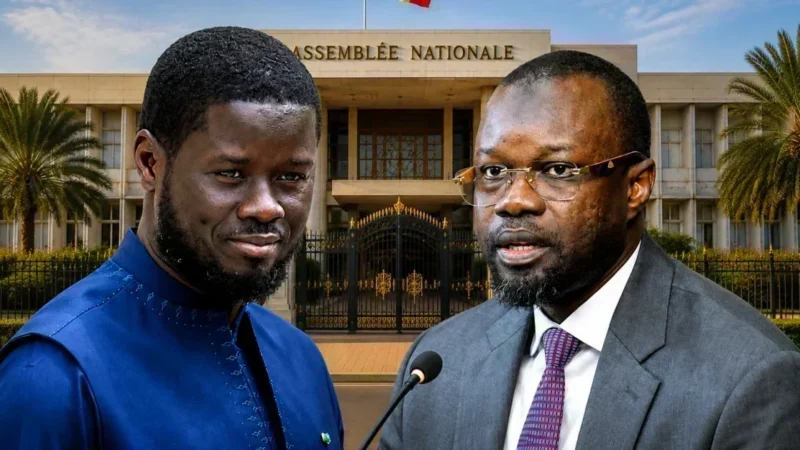
In a move that has sent ripples through Senegal’s political sphere, prominent religious figure Imam Kanté has declared the formation of a new political party aimed at supporting Bassirou Diomaye Faye‘s ambitions. This announcement comes at a critical juncture, with Ousmane Sonko‘s opposition coalition facing both internal and external pressures.
The initiative spearheaded by Imam Kanté signals a potential realignment within Senegal’s opposition forces. Observers note that the move could either consolidate support for Faye or create new fractures, particularly as Sonko’s party navigates recent legislative challenges and public sentiment shifts ahead of the 2026 elections.
Strategic implications for Senegal’s opposition
Imam Kanté’s endorsement introduces a fresh dynamic into Senegal’s political arena. The new party, while still in its formative stages, is expected to draw from both religious networks and grassroots support, areas traditionally influential in Senegalese politics. This development raises key questions about the future cohesion of the opposition and its ability to challenge the ruling establishment.
Analysts highlight that the announcement could either strengthen Faye’s position as a unifying figure or intensify competition among opposition leaders. The timing of the initiative—amidst ongoing debates over electoral reforms and governance—adds layers of complexity to an already volatile political landscape.
Potential impact on Ousmane Sonko’s trajectory
For Ousmane Sonko, the emergence of a rival political force backed by Imam Kanté presents both an opportunity and a challenge. While Sonko remains a central figure in the opposition, the new party could divert crucial support, particularly in regions where religious influence is strong. The move may also force Sonko to recalibrate his strategy, especially if the new party gains traction among younger voters or disillusioned segments of the electorate.
Political observers suggest that the coming months will be decisive in determining whether the new party solidifies its presence or remains a peripheral player. The 2026 elections will serve as a litmus test for the opposition’s ability to present a united front or fragment further in the face of mounting pressure.