Senegal’s president launches new party amid growing political divide
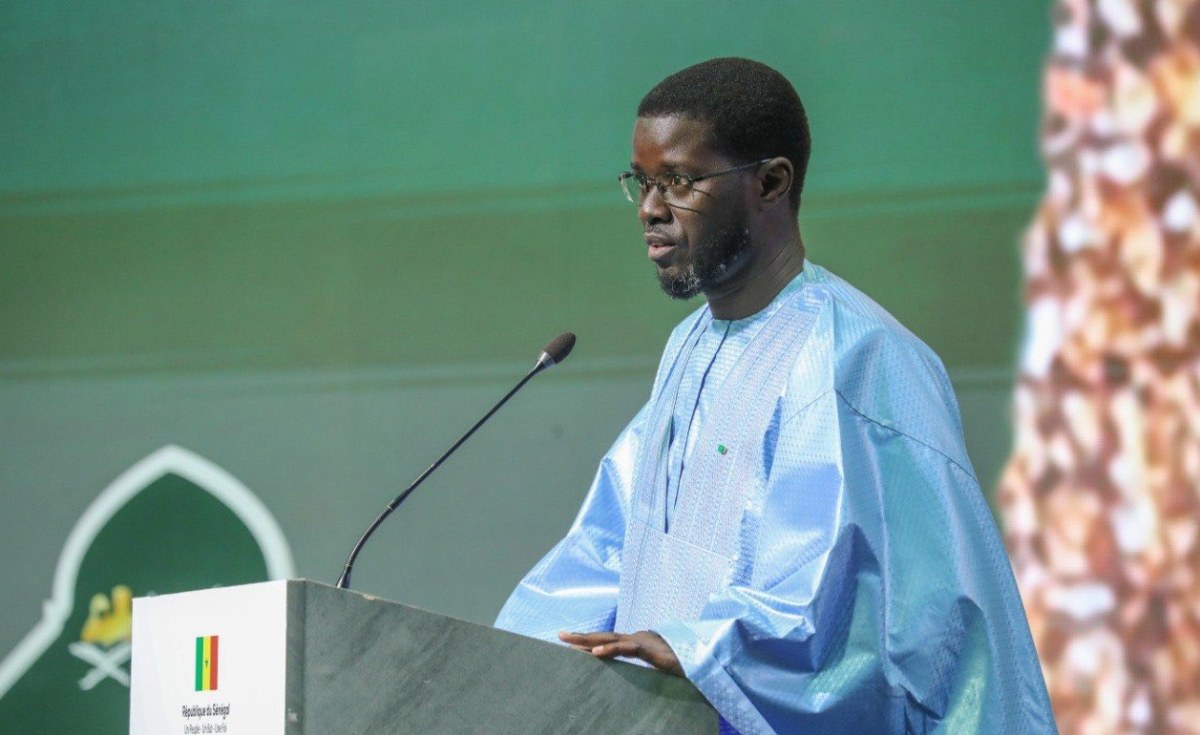
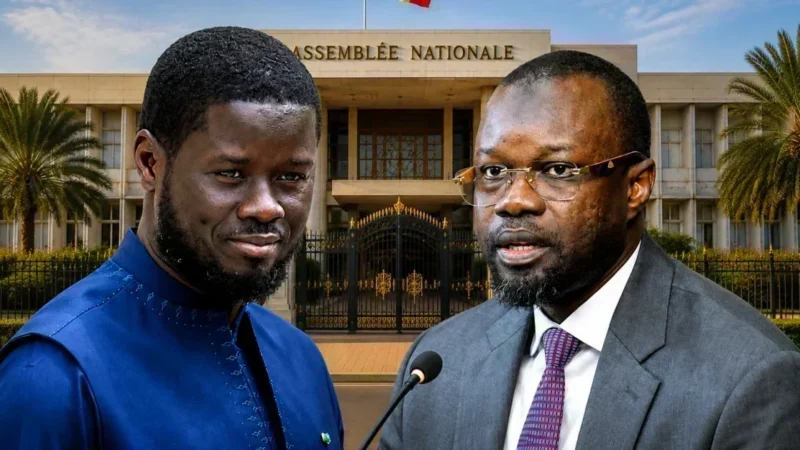
The deepening rift between Senegal’s president and his former prime minister has reached an irreparable stage. In a move that underscores the finality of their split, the head of state is set to unveil a new political party within days.
From alliance to adversity: the unraveling of the PASTEF
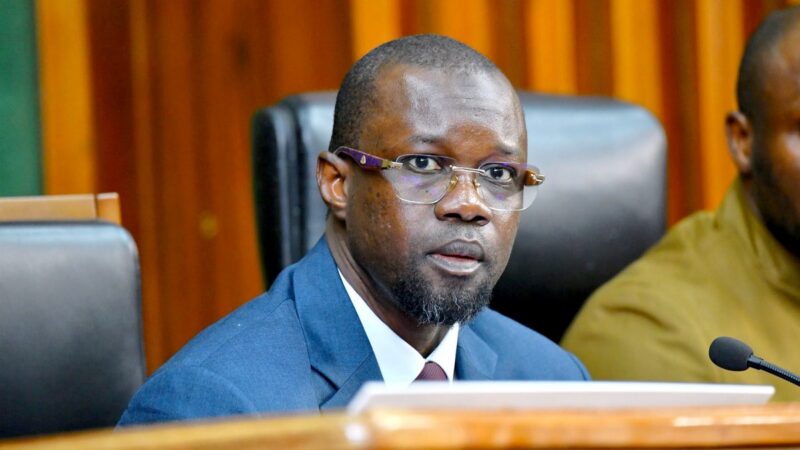
The once-united front between President Diomaye Faye and Ousmane Sonko, now Speaker of the National Assembly, has crumbled. Their collaboration within the Patriotic Africans of Senegal for Work, Ethics, and Fraternity (PASTEF) appears beyond repair, raising doubts about whether Faye’s political ambitions can still be realized.
State leverage vs. internal party dynamics
Faye commands considerable influence, backed by over 300 mayors across Senegal’s nearly 600 local governments and the full apparatus of the state. Yet the recent formation of the government revealed the limits of his authority within PASTEF. Sonko, not Faye, holds the reins of the party, a reality highlighted by recent parliamentary reforms that bar the president from simultaneously leading a political formation.
A calculated political maneuver
The president’s decision to launch his own party reflects a strategic calculation. Sonko himself pursued a similar path in the past. While political rivalry is expected, the fallout threatens to fracture the PASTEF base, potentially weakening the movement’s cohesion and credibility. Observers warn that this infighting may ultimately backfire, leaving both leaders weakened and the party in disarray.
Rising stakes for Senegal’s future
The escalating tensions risk diverting attention from critical national priorities. Rather than uniting to address the needs of the Senegalese people, Faye and Sonko appear consumed by personal rivalry. The consequences extend beyond politics: with elections looming and Senegal’s economy already fragile, a prolonged crisis could plunge the country into deeper economic and social turmoil.
Democracy at risk in Senegal
Once praised as a model of democratic stability in West Africa, Senegal now faces growing political instability. The standoff between its two most prominent leaders has already created a de facto cohabitation scenario. If unchecked, this conflict risks destabilizing the nation and eroding public trust in its institutions.
A call for leadership accountability
The Senegalese people placed their trust in Faye and Sonko, yet both have shown a troubling disregard for the national interest. Their failure to reconcile threatens not only their political futures but also the stability of a country long regarded as an anchor of democracy in the region. For their legacy—and for Senegal’s sake—it is not too late to change course.