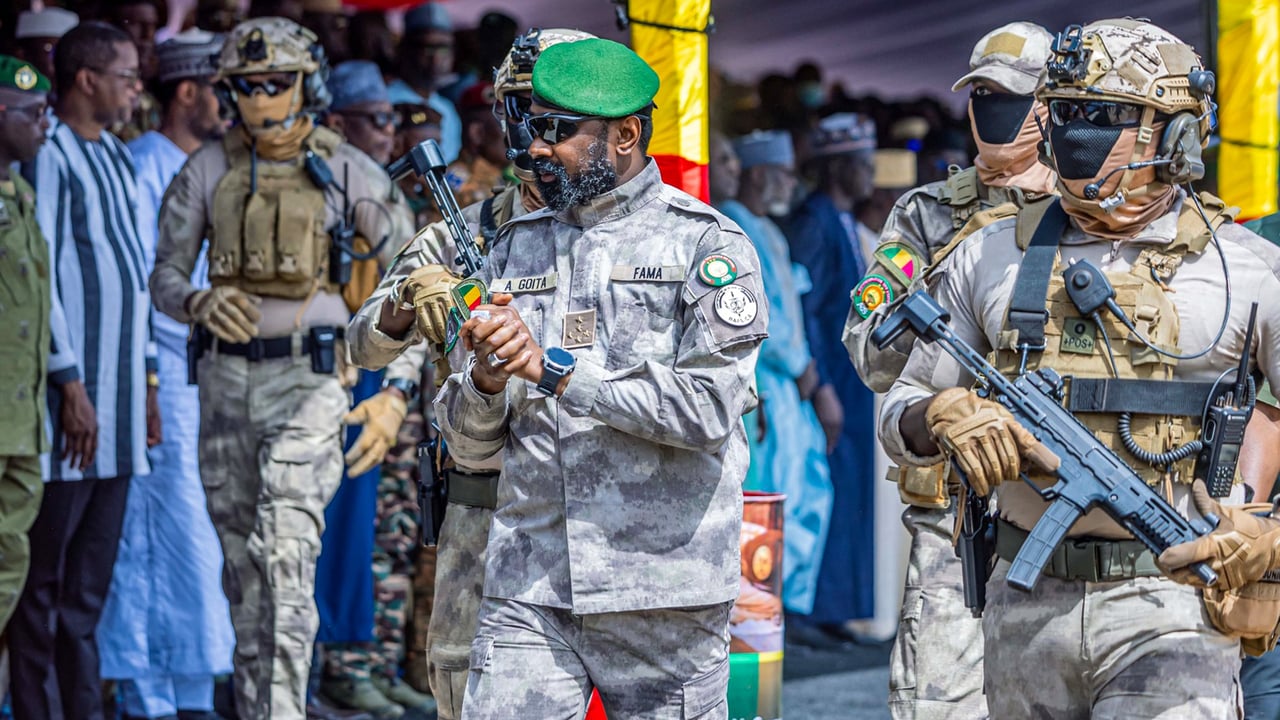

The April 25 attacks in Mali sent shockwaves through the nation, leaving the political landscape in turmoil. As the dust settled, the transitional government faced an unprecedented challenge—stabilizing a country under fire while reinforcing its own authority. At the heart of this crisis stood Colonel Assimi Goïta, whose decisive actions reshaped the power dynamics in Bamako.
From turmoil to control: Goïta’s strategic moves
In the aftermath of the attacks, Goïta moved swiftly to secure his position. Within days, he announced a sweeping cabinet reshuffle, removing key figures perceived as obstacles to his vision. The changes signaled a clear message: the transitional government would no longer tolerate dissent or inefficiency. By consolidating control over security and governance, Goïta positioned himself as the unchallenged leader of Mali’s fragile transition.
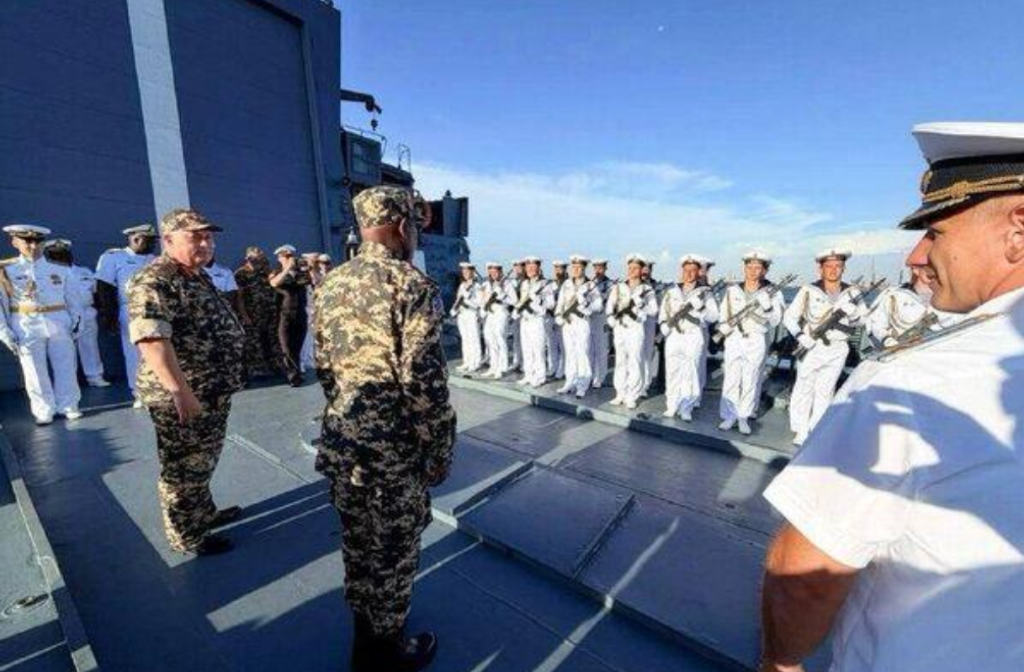
His strategy extended beyond domestic policies. Goïta strengthened alliances with regional partners, leveraging military cooperation to bolster Mali’s defense against insurgent threats. These partnerships not only enhanced operational capabilities but also reinforced his legitimacy on the international stage, where Mali’s instability had drawn scrutiny.
Public sentiment and the legitimacy debate
The April 25 attacks exposed deep vulnerabilities in Mali’s security apparatus, fueling public frustration. Goïta capitalized on this sentiment by framing his actions as necessary for national survival. State media amplified narratives of resilience, portraying his leadership as the only viable path forward. While critics warned of authoritarian overreach, many citizens—exhausted by years of unrest—rallied behind his firm stance against insecurity.
Yet, the consolidation of power came at a cost. Opposition voices, including civil society groups, accused Goïta of silencing dissent under the guise of stability. Protests erupted in Bamako, demanding transparency and an end to what activists described as a slide toward autocracy. The tension between security and democracy became the defining struggle of Mali’s transitional period.
Regional implications of Mali’s evolving leadership
Goïta’s maneuvers didn’t occur in a vacuum. Mali’s crisis has reverberated across the Sahel, where neighboring nations grapple with similar threats. His alignment with external actors, particularly the Africa Corps, has drawn both support and criticism. Supporters argue that Mali’s stability is vital for regional security, while detractors view the alliances as a surrender of sovereignty to foreign interests.
The Group for the Support of Islam and Muslims (JNIM) remains a persistent threat, exploiting instability to expand its influence. Goïta’s ability to counter this group hinges not only on military force but also on addressing the root causes of radicalization—poverty, weak governance, and social marginalization. His government’s approach to these challenges will determine whether Mali can break free from the cycle of violence.
As the transitional government navigates this critical juncture, one question looms large: Can Goïta’s leadership deliver lasting peace and stability, or will his consolidation of power deepen the fractures in Mali’s fragile democracy?