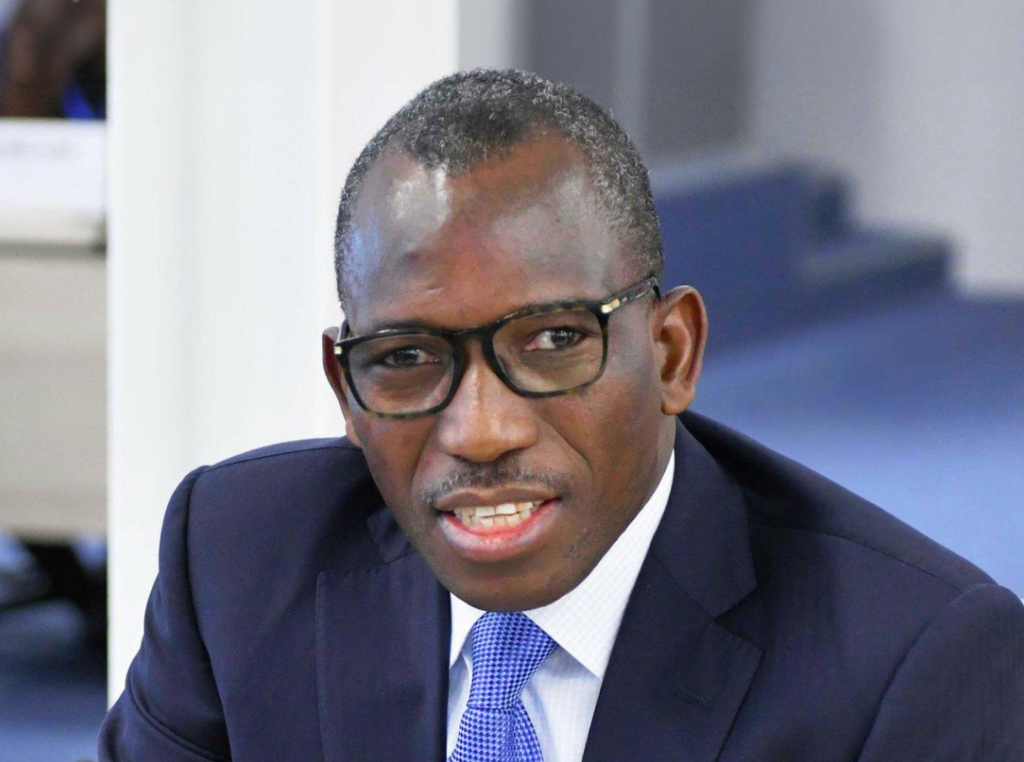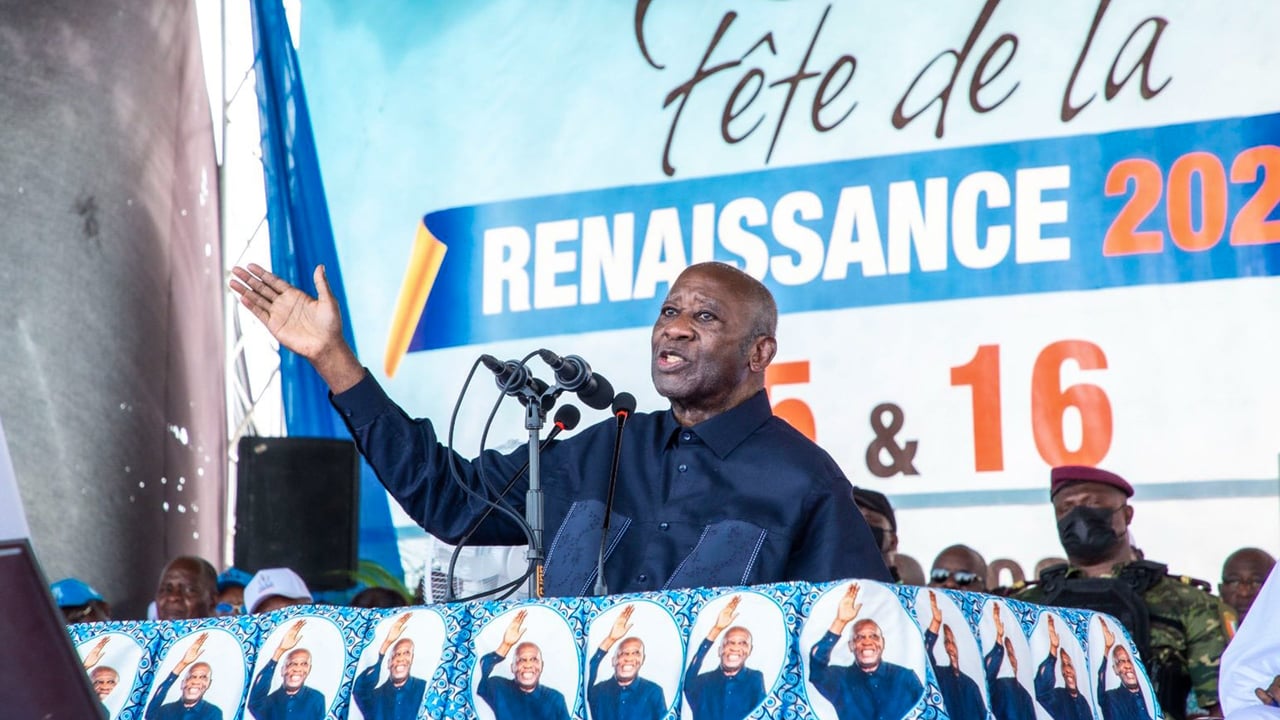
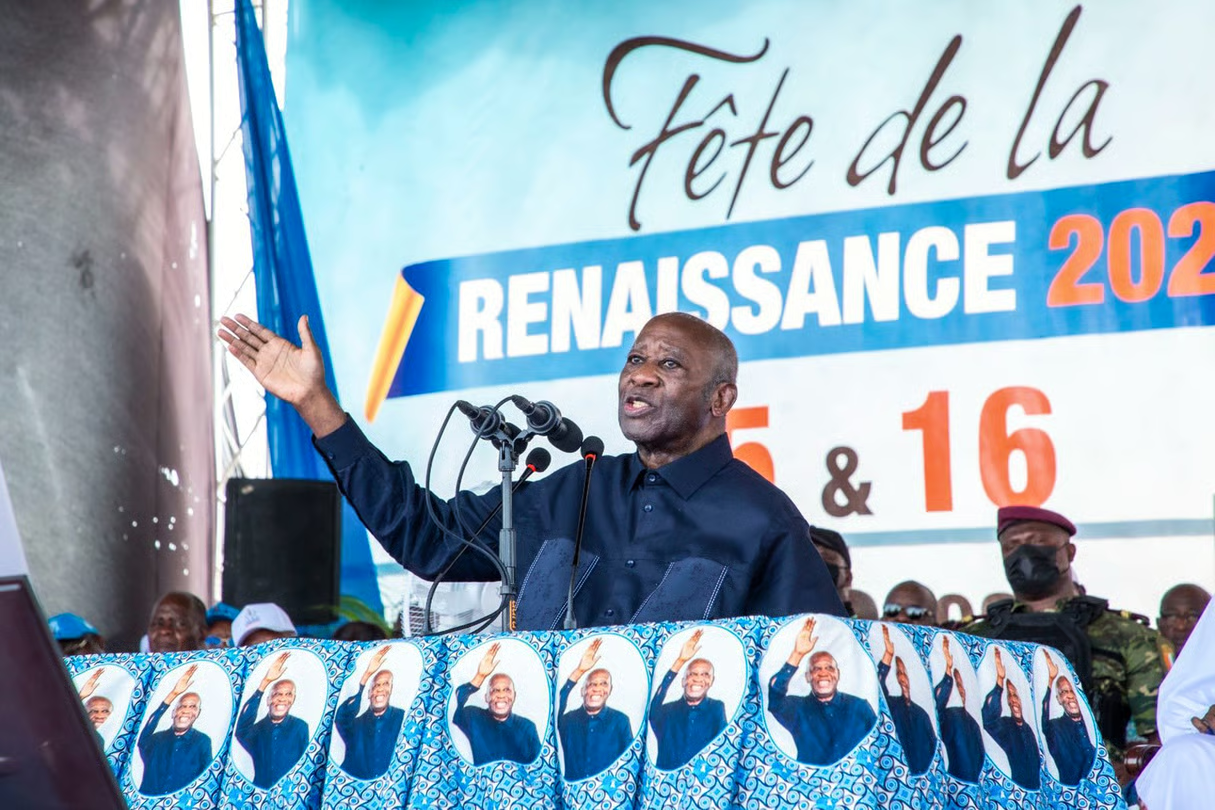
In a move that has reshaped Côte d’Ivoire’s political landscape, former President Laurent Gbagbo has announced his formal withdrawal from active leadership within the Parti des Peuples Africains – Côte d’Ivoire (PPA-CI), yet his influence over the party’s future remains unchallenged. Speaking at the Renaissance celebration in Songon on May 16, 2026, Gbagbo outlined his decision while simultaneously reinforcing his role as the guiding force behind the party’s next phase.
What does Gbagbo’s withdrawal really mean for the PPA-CI?
The announcement signals a shift in governance dynamics within the PPA-CI, yet it does not equate to a loss of control. Gbagbo’s decision to step back from day-to-day operations is seen by analysts as a calculated move to consolidate his long-term vision for the party. By withdrawing formally, he avoids direct accountability for future electoral outcomes while maintaining decisive influence over key decisions.
The PPA-CI, founded on principles of pan-Africanism and social justice, has long been synonymous with Gbagbo’s political identity. His continued presence, even in a reduced role, ensures that the party’s direction remains aligned with his core beliefs. Party insiders suggest that this transition phase is designed to groom a new generation of leaders while preserving Gbagbo’s legacy.
A delicate balance between tradition and renewal
Gbagbo’s speech in Songon underscored the importance of unity and ideological continuity. He emphasized that the party’s strength lies in its ability to adapt without compromising its foundational values. This strategic withdrawal allows the PPA-CI to reposition itself in Côte d’Ivoire’s evolving political environment while keeping Gbagbo’s ideas at the forefront.
Implications for Côte d’Ivoire’s political scene
The move has sparked debates across the country. Some political observers view it as a sign of maturity, demonstrating Gbagbo’s willingness to share responsibility. Others interpret it as a maneuver to retain ultimate control, ensuring that no successor can stray from his political blueprint. What is clear is that Côte d’Ivoire’s political future will be shaped by how this transition unfolds within the PPA-CI.
As the party prepares for upcoming challenges, all eyes will be on the next steps. Will Gbagbo’s influence wane, or will his shadow continue to loom large over the PPA-CI’s decisions? The answer may well determine the trajectory of Ivorian politics in the years to come.