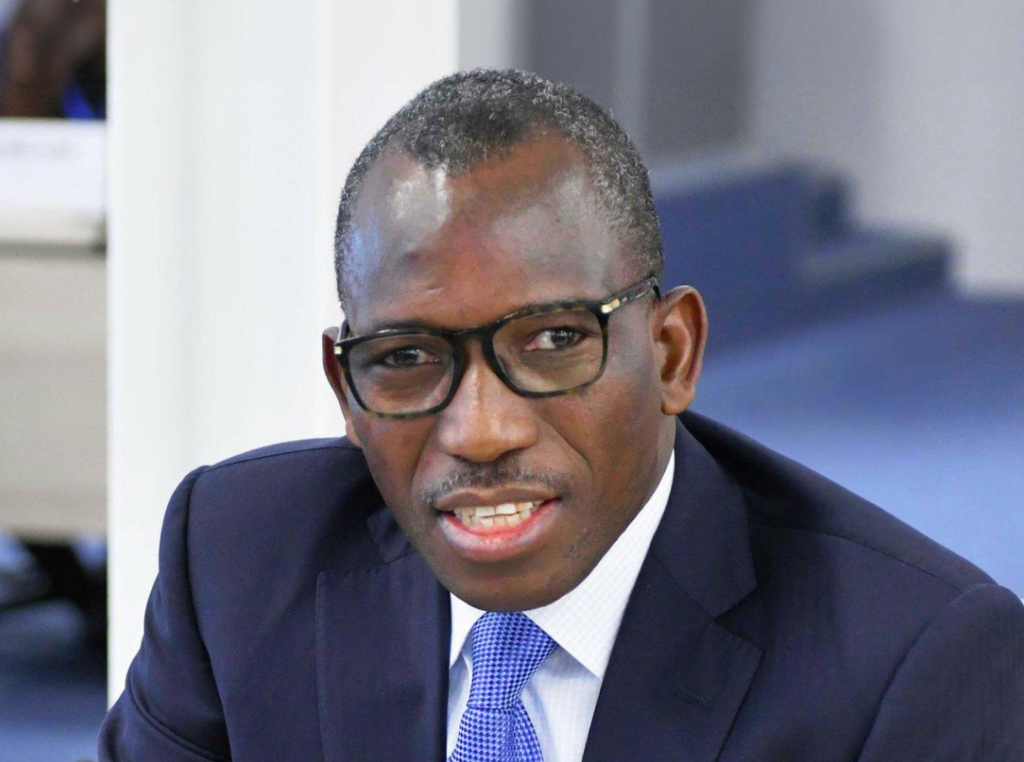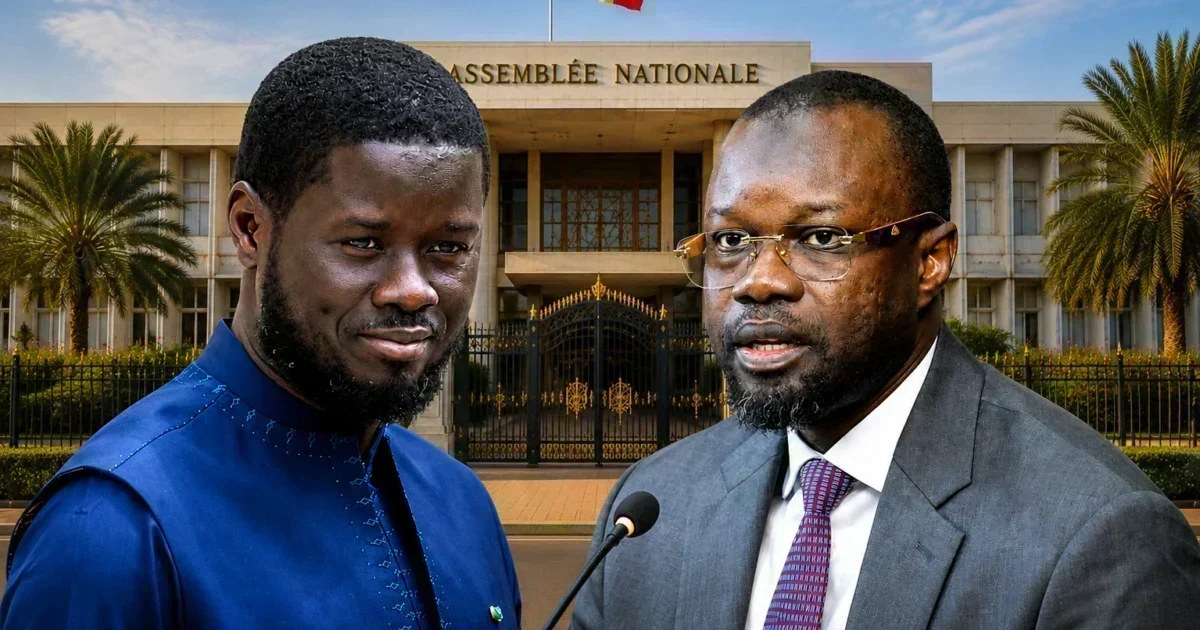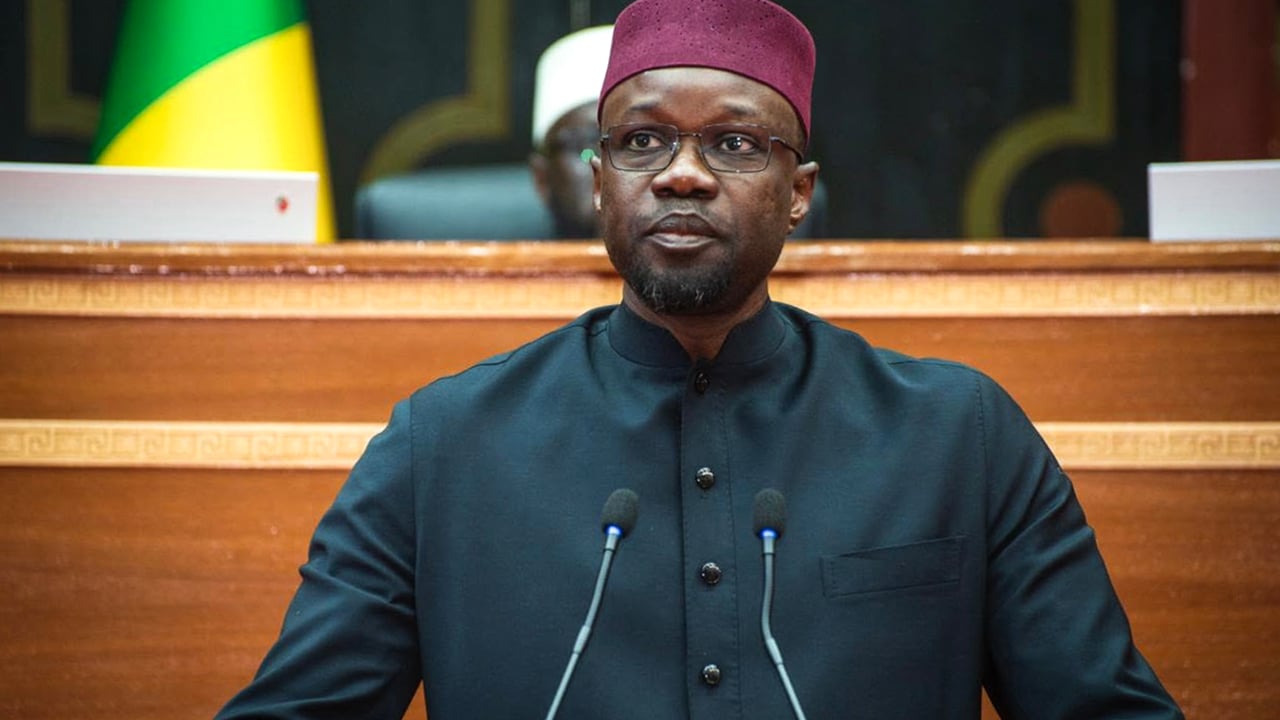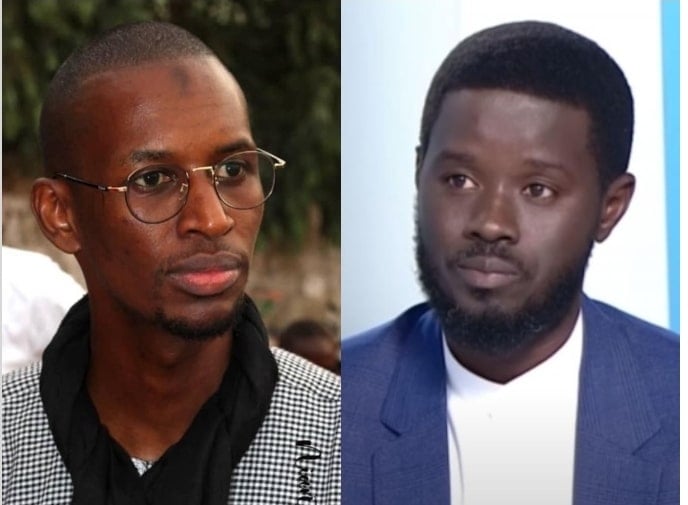
Seydina Oumar Touré, Director-General of Senegal’s Agency for Security and Proximity (ASP), has publicly endorsed President Bassirou Diomaye Faye’s initiative for a national dialogue in Senegal, framing it as a vital step toward preserving the country’s hard-won stability. In a moment marked by regional tensions, he champions the values of tolerance and peace as the cornerstones of national cohesion.
Touré underscored that Senegal’s political and geostrategic context—particularly when compared to neighboring countries—highlights the significance of the nation’s enduring stability and social unity. He attributes this resilience to a deep-rooted national consciousness, forged over generations, that transcends ethnic, religious, and political divides.
The ASP chief also emphasized that the current stability is the result of sacrifices made by past generations. For him, dialogue has always been more than a tool; it is a guiding principle in Senegalese society and a foundation of peaceful coexistence.
Dialogue as a Senegalese tradition
Highlighting the historical roots of dialogue in Senegal, Touré views the current push for inclusive governance not as a departure from tradition but as a continuation of a long-standing practice. He points to enduring values—tolerance, forgiveness, mutual acceptance, overcoming differences, and constructive debate—as pillars of the country’s political culture since independence in 1960.
Warning against the dangers of divisive rhetoric, intolerance, and violence, he stresses that such forces threaten the very fabric of social harmony and national stability. Reflecting on Senegal’s political history, Touré notes that past crises and transitions were navigated successfully through dialogue and collective engagement.
Embracing President Faye’s call for unity
Touré praised President Bassirou Diomaye Faye’s recent call for a permanent and inclusive dialogue in Senegal, describing it as a commitment to governance rooted in listening, consultation, and consensus-building. He envisions the future of the country anchored in an open, sincere, and ongoing exchange—what he terms the ‘Senegalese spirit’—to safeguard the nation’s unique identity and progress.