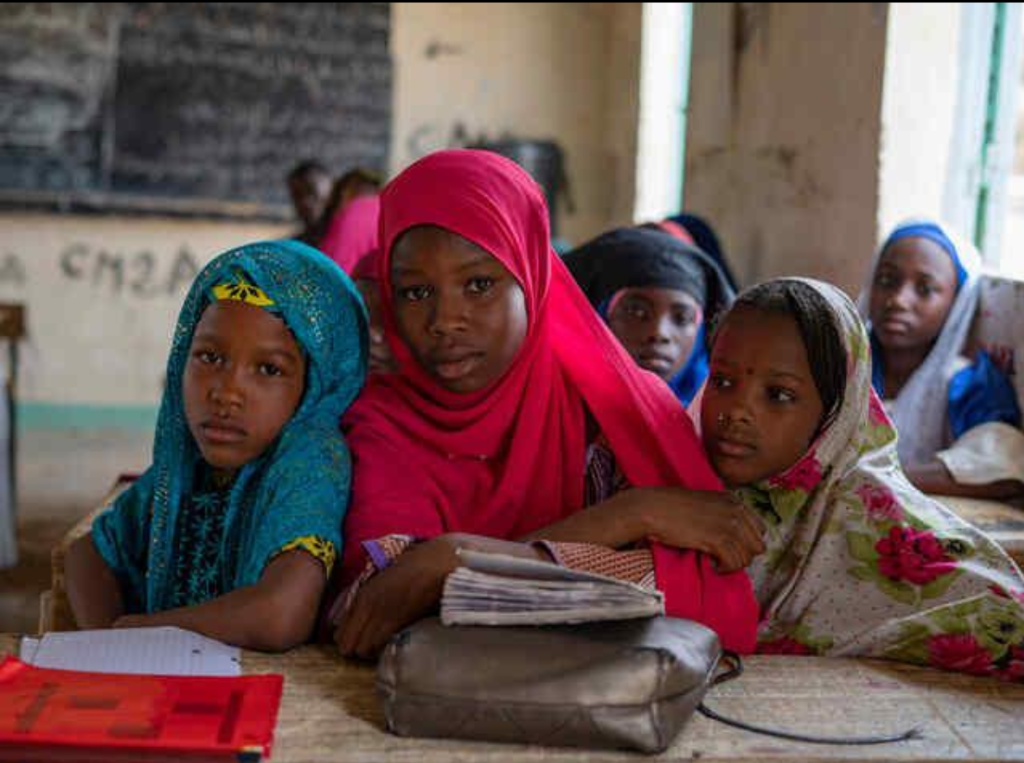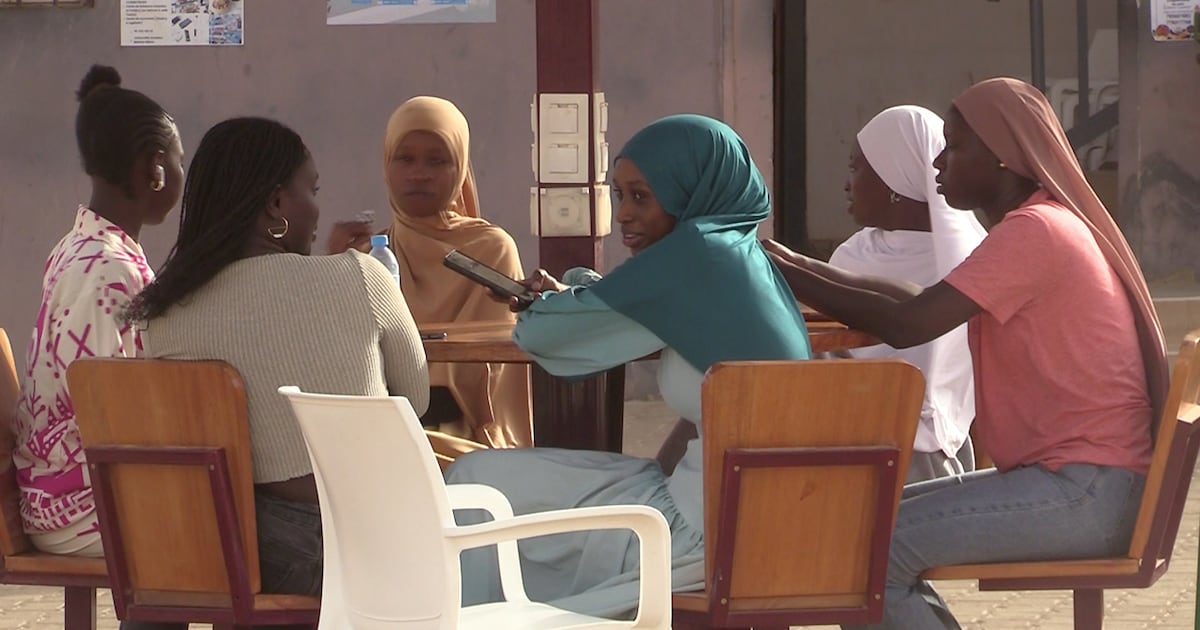
In university corridors and lecture halls across Senegal, a growing movement of students is redefining the boundaries between academic pursuit and political engagement. Far from viewing the two as mutually exclusive, these young minds see their education as a foundation for informed civic participation.
For many, joining a political movement during their studies is not just about activism—it’s a strategic step toward professional and personal growth. The university, they argue, is more than a place of knowledge; it’s a training ground where theoretical understanding meets real-world challenges. This perspective is shared by Adama Lam, a law student whose vision bridges the gap between classroom learning and political involvement.
«As a law student, I see political engagement as an extension of my academic journey. It’s a way to apply what I learn, to test my convictions, and to prepare for the responsibilities of leadership. The university teaches us to think critically, but politics demands that we act decisively. Both skills are essential, and I believe they reinforce each other.»
The debate isn’t just about timing—it’s about integration. Some students emphasize that political involvement shouldn’t derail academic or career goals. Amadou Saliou Diallo, another student, rejects the idea that activism comes at the cost of professional development.
«Politics isn’t a career in itself—it’s a civic duty. You can be a student, a future accountant, or an engineer and still engage meaningfully in politics. The goal isn’t to replace your profession but to enrich it with a sense of purpose and service to the nation.»
For others, early political immersion is a form of experiential learning. Ousmane Seck, a student with a keen interest in governance, sees dual pathways—academic and political—as complementary. His perspective highlights the practical advantages of navigating both worlds.
«Balancing studies and politics isn’t just possible—it’s advantageous. University equips us with knowledge, while political engagement sharpens our understanding of policy and leadership. Programs like “Jub, Jubal, Jubanti” offer insights into governance that textbooks can’t. Whether we aim to lead or innovate, this dual experience prepares us for the future.»
Yet, the question lingers: Should universities remain neutral spaces of learning, or should they actively cultivate the next generation of leaders? This tension between academic rigor and civic duty continues to shape discussions among students, educators, and policymakers alike.