- Actualité
- Politique
Senegal’s delicate balance: social pressures and political discourse
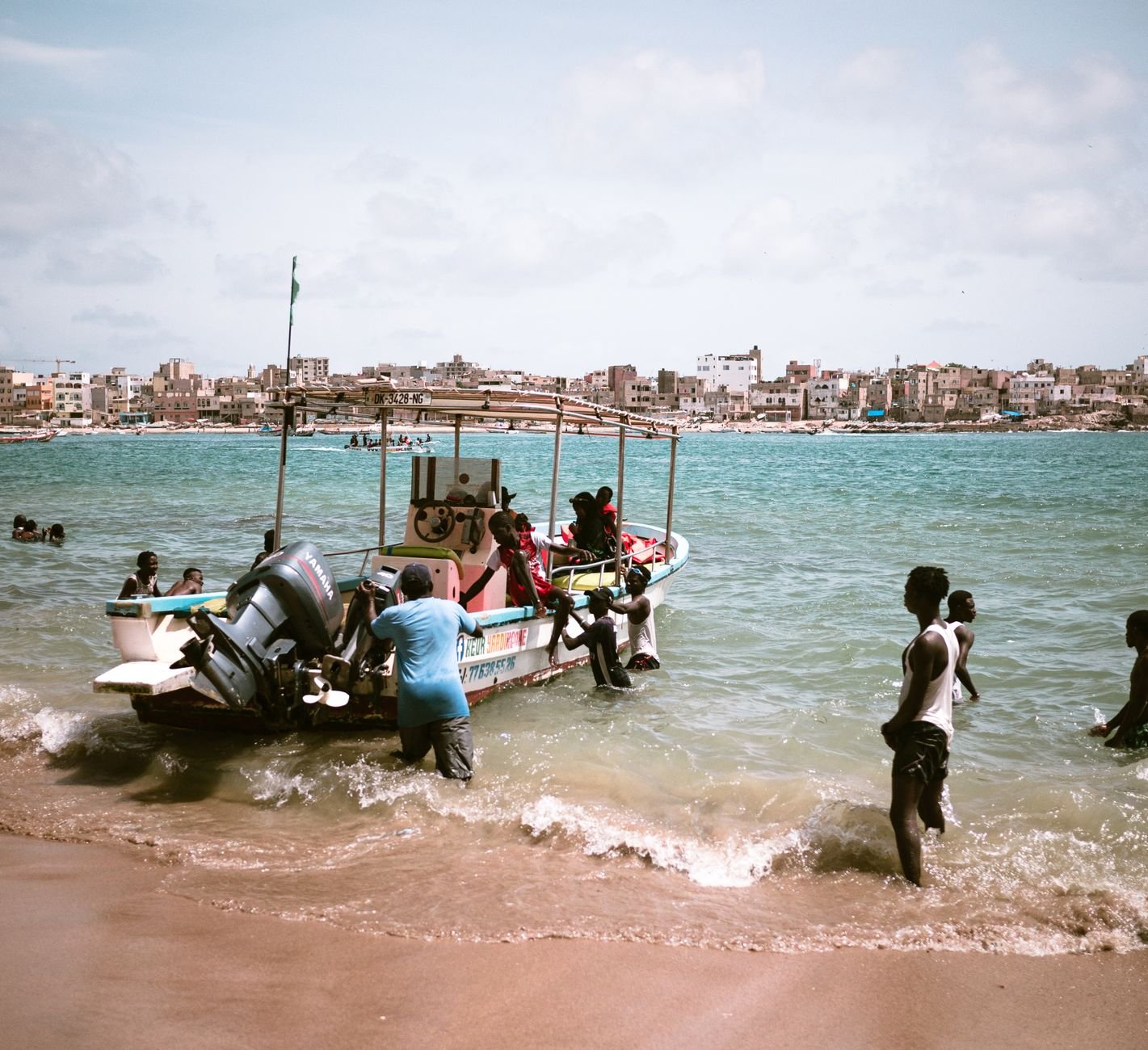
Across Senegal, public discourse increasingly appears divided between pressing social concerns and a political landscape dominated by strategic positioning. In numerous areas nationwide, citizens are voicing a growing sense of hardship regarding their daily living conditions. This struggle is particularly evident in the escalating cost of housing, disruptions in access to essential services, and persistent administrative inefficiencies.
In Senegal’s major urban centers, this social strain is acutely felt. Households report a steady decline in their purchasing power, while young people lament limited economic prospects. This environment fosters a general atmosphere of uncertainty, which, according to several analyses, could widen the divide between the government and its citizens if concrete structural solutions are not swiftly implemented.
A political landscape under scrutiny
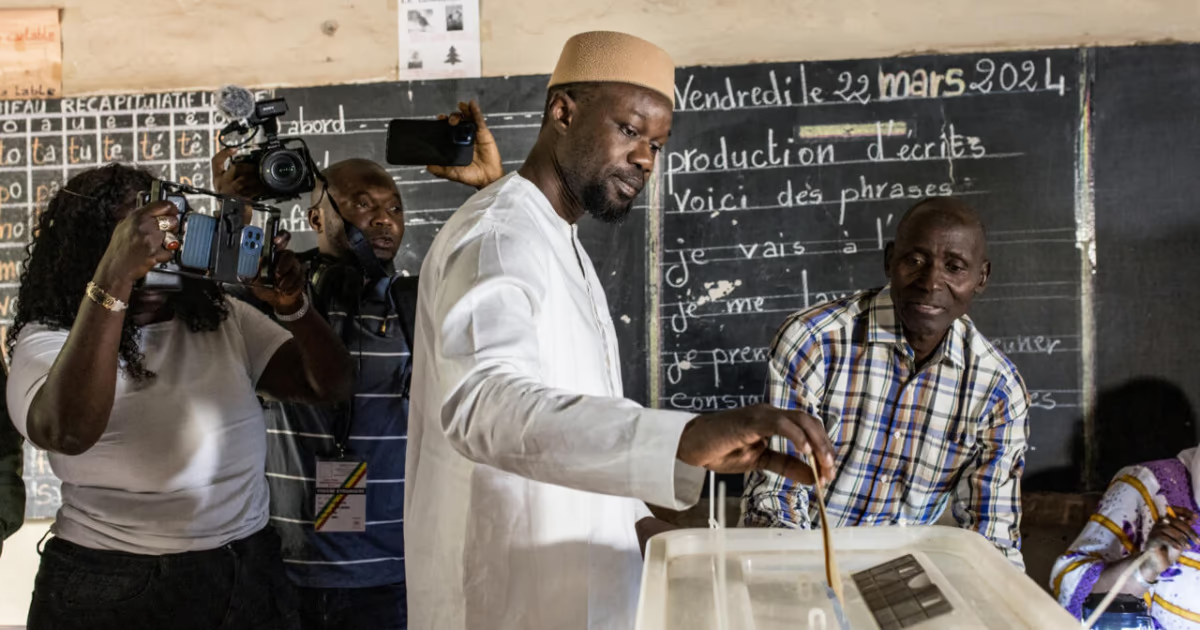
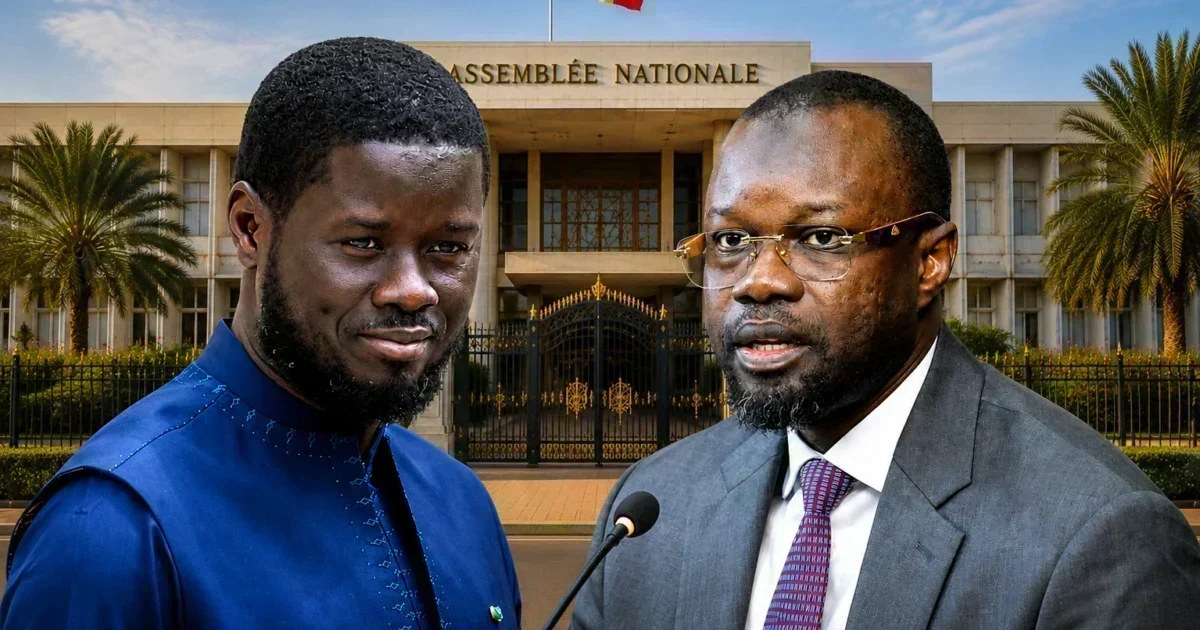
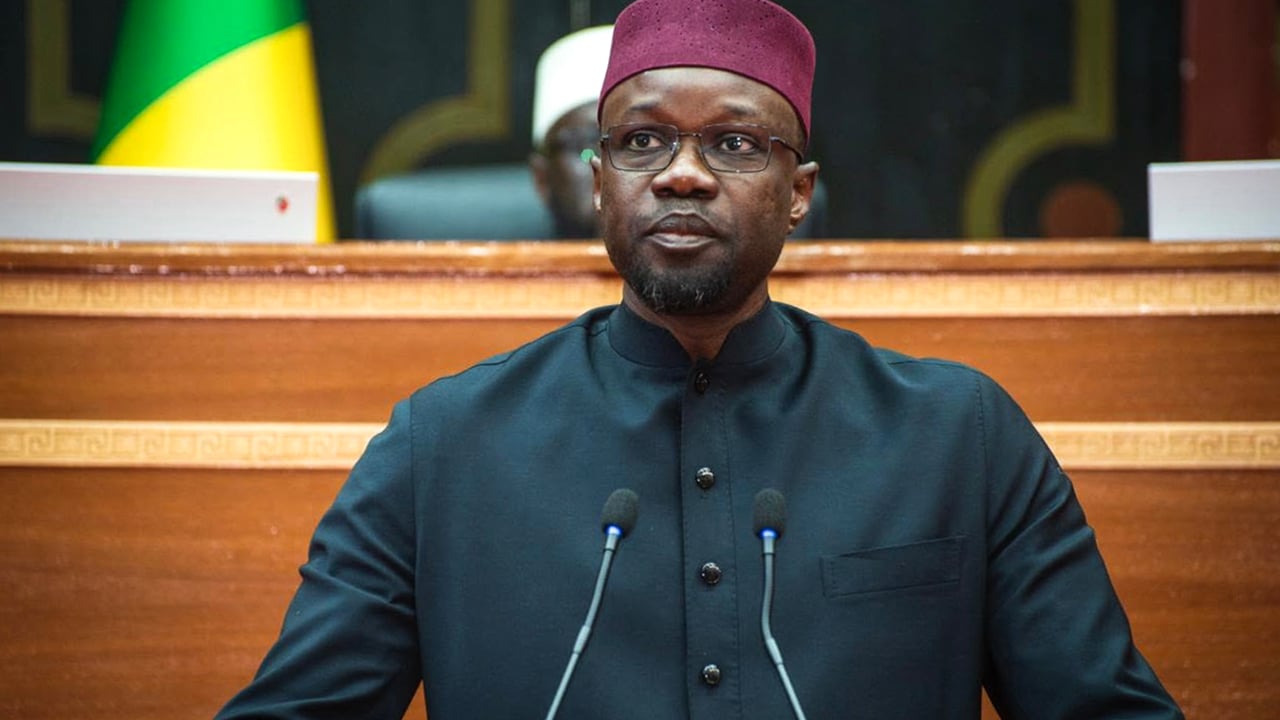
Concurrently, national political developments command significant media attention. Prominent figures within the current administration, notably President Bassirou Diomaye Faye and Prime Minister Ousmane Sonko, an influential majority leader, are subjects of extensive analysis and commentary. Their actions are closely monitored, both institutionally and politically, amidst high public expectations.
However, some observers suggest that public discussions often prioritize the internal dynamics of political alliances and strategies for power consolidation. This focus sometimes creates the impression that immediate social challenges are secondary to electoral and organizational considerations, particularly with upcoming political deadlines in view.
A society facing multifaceted challenges
Beyond institutional circles, environmental and broader social concerns further shape this complex picture. Urban and natural areas, such as the Parc de Hann, are frequently cited in discussions about environmental preservation and urban quality of life. For many, these represent larger challenges confronting the nation: rapid urbanization, demographic pressure, and the critical need to safeguard natural resources.
In this evolving context, a segment of the population articulates a strong need for national priorities to refocus on fundamental social issues. Access to efficient public services, the creation of sustainable employment, and the enhancement of living conditions remain among the foremost public expectations.
The current situation thus poses a pivotal question: how can political momentum and urgent social needs be effectively reconciled? For many analysts, the country’s long-term stability hinges on the capacity of its political actors to provide tangible responses to the daily concerns of citizens, all while fostering a calm and constructive political dialogue.
Amidst escalating social expectations and a shifting political landscape, the challenge for Senegalese authorities remains considerable. They are tasked with strengthening trust between institutions and the populace in an ever-changing environment, a critical factor for stability in the political Sahel.