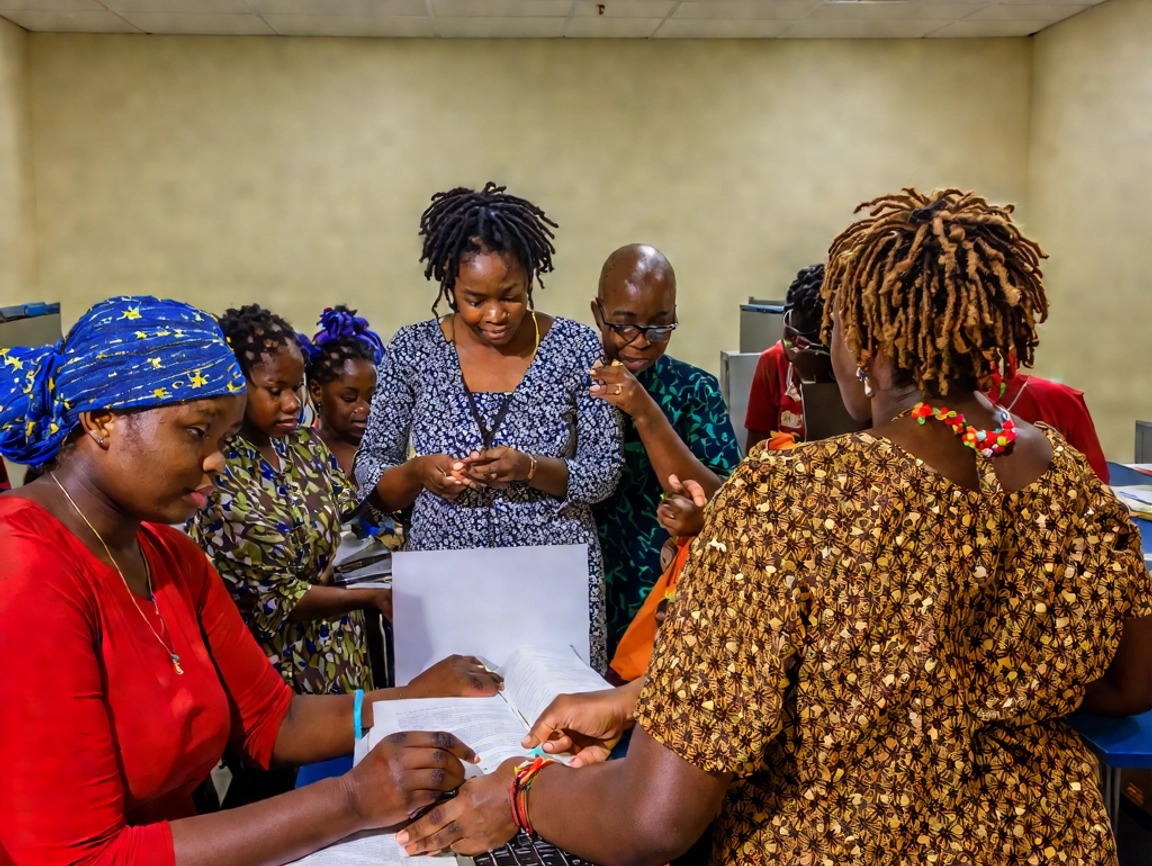
The Réseau des femmes leaders pour le développement (RFLD) made a compelling case in Dakar for urgent measures to elevate women’s political representation in Senegal’s decision-making spaces. Speaking at a high-level seminar organized by the network in May 2026, Bator Seck, President of the RFLD in Senegal, emphasized that the nation’s democratic future cannot be fully realized without women’s equal participation.
Bator Seck declared, « A democracy remains incomplete as long as women are excluded from leadership roles. Senegal’s progress cannot be built without women—it must be built with them, not just for them. » The event brought together activists, policymakers, and civil society leaders to address systemic barriers preventing women from assuming key roles in political institutions and parties.
The RFLD, a pan-African feminist network operating across Senegal, Ghana, Gambia, and Benin, champions legislative advocacy, grassroots mobilization, and local initiative funding. Its mission spans critical areas including women’s rights, reproductive health, civic space protection, and climate justice.
Declining female representation in politics
Seck acknowledged Senegal’s long-standing reputation as a regional leader in gender equality, citing landmark achievements such as the 2010 parity law, the 2001 Constitution’s gender equality provisions, and ratification of international human rights treaties. Yet she pointed to troubling recent data: legislative elections in November 2024 saw women’s parliamentary representation drop from 44.2% to 41%. Just 13% of candidate lists were headed by women—a stark indicator of persistent exclusion.
She further highlighted the underrepresentation of women in local governance, noting that only 18 out of 558 municipalities are led by female mayors and just three women preside over the country’s 43 departmental councils. These figures underscore deep-rooted structural obstacles—cultural resistance, unequal access to political financing, and limited media visibility—that continue to marginalize women in governance.
The indispensable contributions of Senegalese women
Despite these challenges, Seck celebrated the vital contributions Senegalese women make daily to the economy, education, social movements, and peacebuilding. Echoing her stance, Mama Diouf Fall, representing the Minister of Family, Social Action, and Solidarity, stressed that women’s political engagement is a cornerstone of sustainable development, social stability, and effective governance.
Fatoumata Guèye Ndiaye, honorary president of the Senegalese Women Jurists Association, called for expanded access to executive positions and leadership roles within political parties. She also urged a comprehensive review of the parity law to broaden women’s presence in decision-making spheres and strengthen their influence in shaping national policies.