
Unsettling turns in Bamako coup trial as occult fears grip courtroom
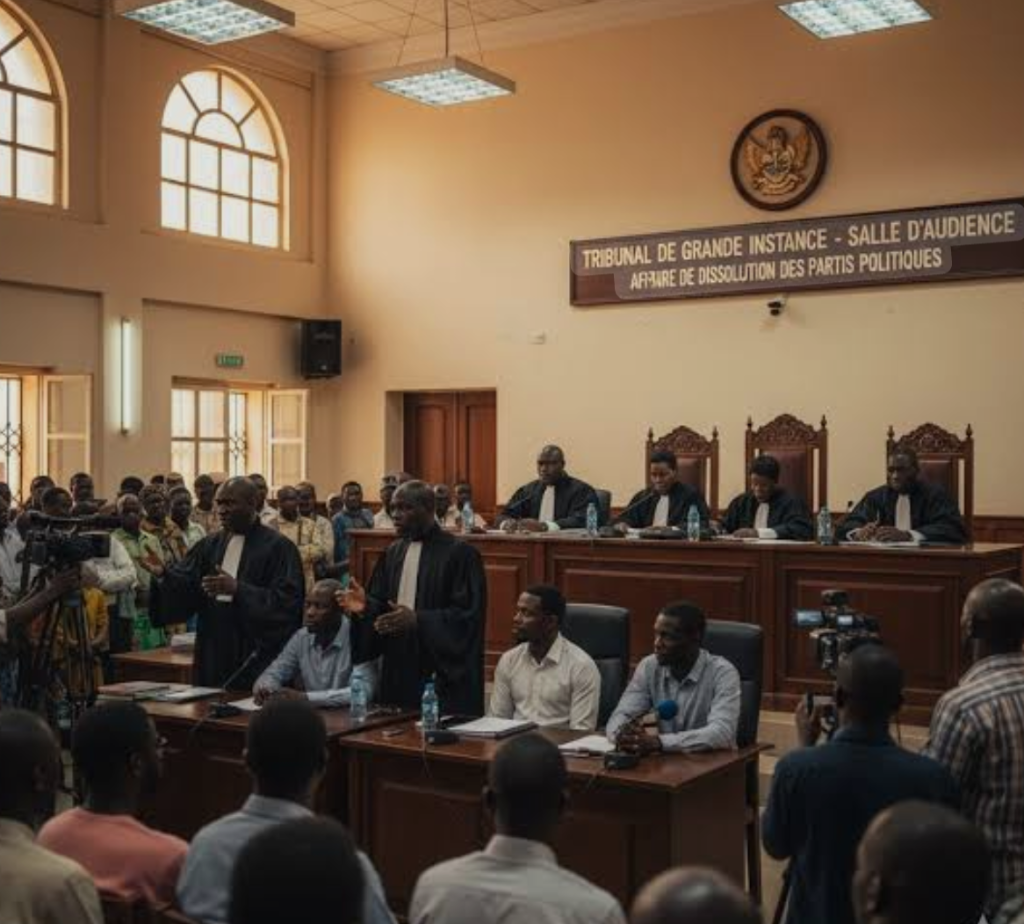
An eerie stillness fell over the courtroom in Bamako as proceedings unfolded on the morning of July 20. The trial of soldiers and civilians accused of plotting to overthrow the military junta had already drawn intense scrutiny, but nothing could have prepared the assembly for the surreal events that followed. Among the defendants stood a figure whose presence alone carried weight: a traditional healer, charged with lending mystical support to the alleged coup plotters. The fusion of politics, law, and the occult had transformed the trial into something far beyond the ordinary.
Political symbolism meets legal gravity
The case carries profound implications for Mali’s fragile transition, with accusations of attempting to destabilize the junta under serious review. Yet it was the arrival of the féticheur that shifted the proceedings into uncharted territory. While occult involvement in political machinations is not unheard of in West Africa, the direct invocation of such forces within a courtroom setting injected an unsettling layer of symbolism into the judicial process.
A courtroom disrupted by the unexplained
The session took a dramatic turn when the state prosecutor rose to deliver a crucial testimony against the accused. As the prosecutor began speaking, however, the atmosphere shifted abruptly. In mid-sentence, the official clutched their chest, gasping for breath before collapsing onto the floor in full view of stunned onlookers. The sudden collapse sent shockwaves through the courtroom, prompting the prosecutor and clerk to hastily retreat, leaving the proceedings in disarray. Faced with the impossible task of continuing under such circumstances, the presiding judge made the only viable decision: suspending the hearing until the following day.
Unsettling moments in transit
The day’s disturbances did not end with the adjournment. As the féticheur was escorted back to a high-security detention facility, another inexplicable episode unfolded. The senior officer driving the prisoner transport vehicle experienced sudden dizziness, struggling to maintain control of the van. Though the convoy reached its destination without incident, the episode left the escort team rattled and deepened the aura of unease surrounding the case.
Inside the prison administration, whispers spread quickly. One official, visibly shaken, remarked that the féticheur’s presence seemed to carry an almost tangible weight—suggesting ties to powerful spiritual traditions, possibly forged in Benin, where certain protective charms are said to wield extraordinary influence.
The psychological burden of the unexplained
Beyond the immediate legal implications, the incident exposes a deeper tension between institutional justice and deeply rooted cultural beliefs. In many West African societies, traditional healers command a mix of reverence and fear, their reputed ability to manipulate unseen forces carrying immense psychological weight. When a key judicial figure experiences a sudden, unexplained collapse at the very moment they are poised to challenge an accused with such a reputation, doubt creeps in—fueling speculation that the unseen may be at play.
This psychological ripple effect is profound. The initial shock of the prosecutor’s collapse sent tremors through the courtroom, with magistrates and security personnel alike questioning whether the situation had been influenced by forces beyond their understanding. The episode underscores how deeply embedded beliefs can sway perceptions, even within the most formal of institutions.
What lies ahead for the trial
As the court reconvenes on July 21, the stakes could not be higher. Authorities face the dual challenge of maintaining judicial order while addressing the psychological and symbolic dimensions of this unprecedented case. The health of the state prosecutor will be closely monitored, and enhanced security measures around the féticheur’s detention and court appearances are likely to be implemented.
Will the proceedings regain their footing, or will further disruptions arise in a trial where politics, law, and the supernatural now appear inseparably intertwined? The answer may well hinge on whether the court can assert its authority in the face of forces it cannot easily define.
