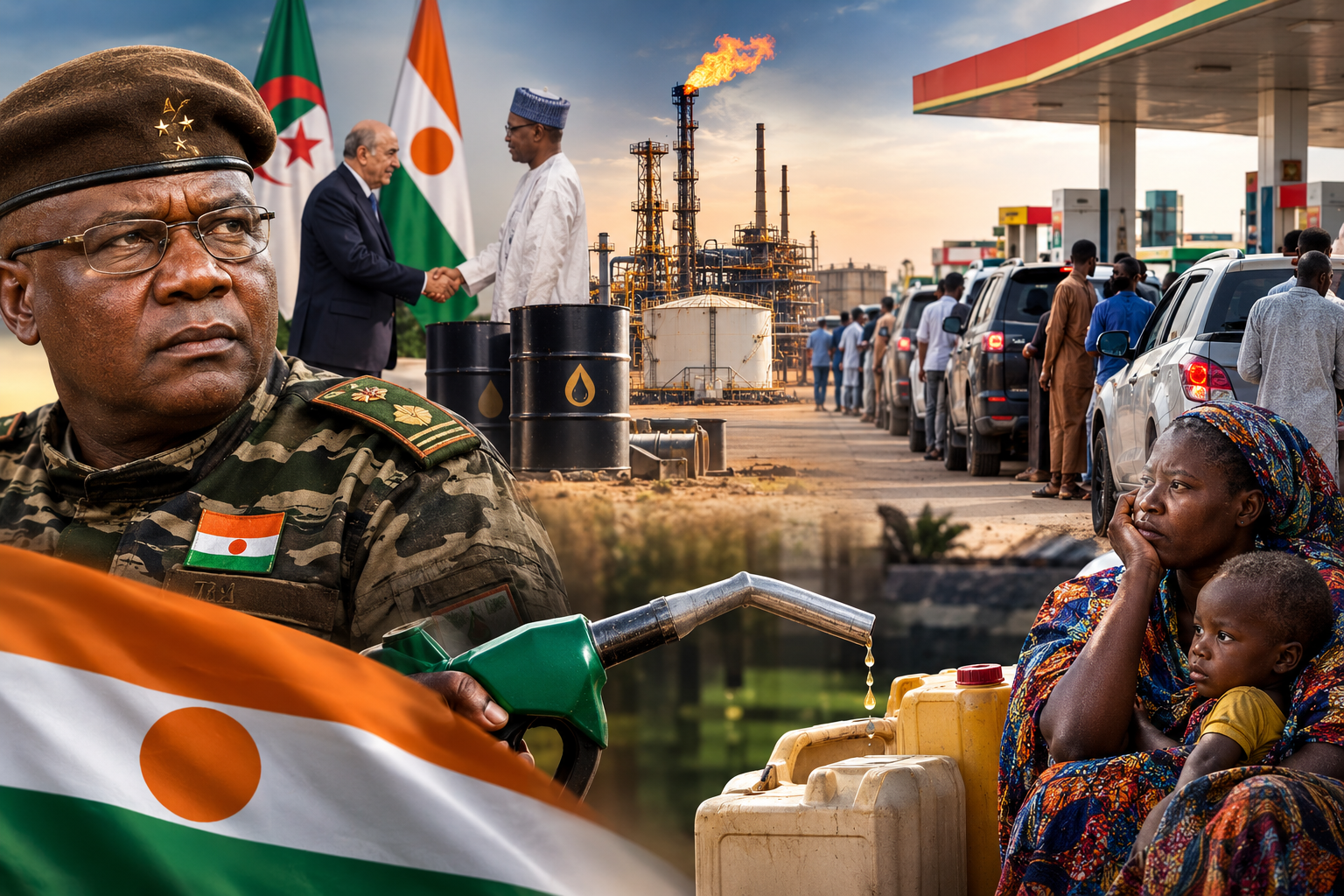
After months of simmering tensions, Niger has finally resolved a prolonged dispute with its Chinese oil partners, marking a turning point in relations that had strained the country’s primary revenue stream. Niamey announced the successful conclusion of negotiations with firms operating in upstream oil production and the pipeline transporting Nigerien crude to the Atlantic. The agreement brings closure to a protracted crisis that emerged shortly after General Abdourahamane Tiani assumed leadership in July 2023, threatening the nation’s economic stability.
Oil tensions escalate under Tiani’s leadership
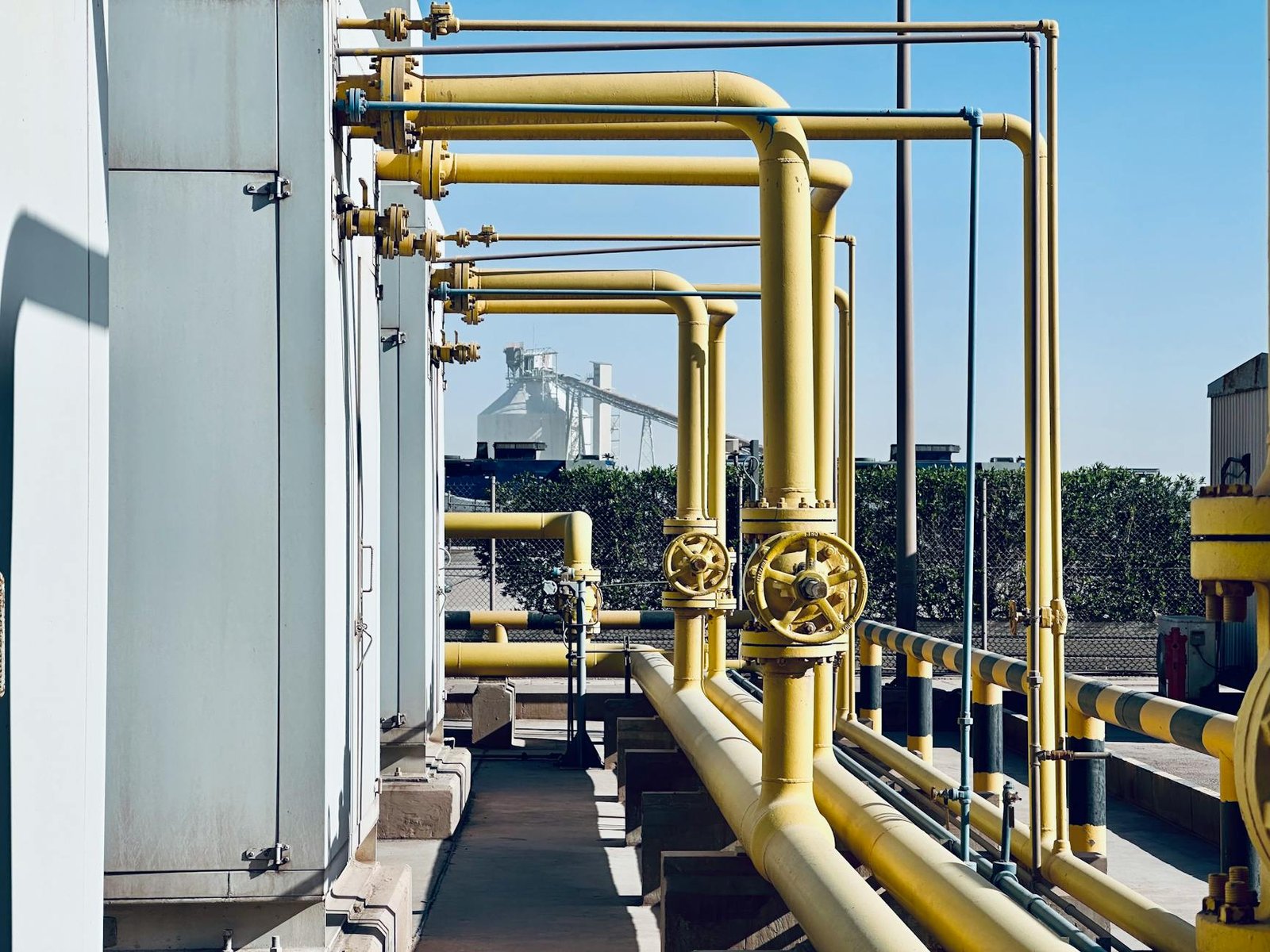
The rift between Nigerien authorities and Chinese operators centered on critical issues: financial contract terms, tax obligations, local governance of joint ventures, and employment conditions for expatriate staff. The China National Petroleum Corporation (CNPC), a long-standing pillar of Niger’s oil sector, holds key stakes in both the Agadem oil field and the pipeline linking southeastern Niger to the port of Sèmè in Benin. This nearly 2,000-kilometer pipeline, operational since 2024, was poised to position Niger as a net exporter of hydrocarbons. However, political tensions between Niamey and Cotonou—stemming from the 2023 coup and subsequent regional sanctions—disrupted project execution. Chinese staff faced expulsions earlier this year, work permits were revoked, and Niamey accused its partners of failing to disburse a $400 million advance tied to future oil sales.
Behind-the-scenes mediation yields a hard-won compromise
Negotiations, conducted discreetly with delegations from both sides, culminated in a deal addressing fiscal adjustments, rescheduling mutual financial commitments, and redefining the framework for Chinese personnel on production sites. The transitional government celebrates this outcome as a victory for economic sovereignty, achieved without severing ties with a strategic partner of nearly two decades. The timing is pivotal: with regional instability persisting and Western cooperation suspended, Niger views its oil revenue as a vital short-term economic stabilizer. Authorities anticipate a sharp rise in crude exports via the pipeline, contingent on restoring logistical ties with Benin and reactivating Chinese-run facilities fully.
China secures its Sahel foothold
For Beijing, resolving the dispute holds broader significance beyond Niger’s borders. The CNPC and affiliates have poured billions into Niger’s oil infrastructure, and a failure could have undermined China’s credibility across other Sahelian nations revising mining and energy partnerships. Conversely, a negotiated settlement without rupture reinforces China’s narrative as a pragmatic partner, willing to engage with contested governments on equal footing, free from external interference.
Yet challenges linger. Until relations between Niamey and Cotonou normalize, pipeline throughput will fall short of its 90,000-barrel-per-day capacity. Authorities are exploring alternatives, including routes through Chad, though industrial feasibility remains distant. The deal with Chinese firms offers temporary relief but does not eliminate all bottlenecks in the sector.