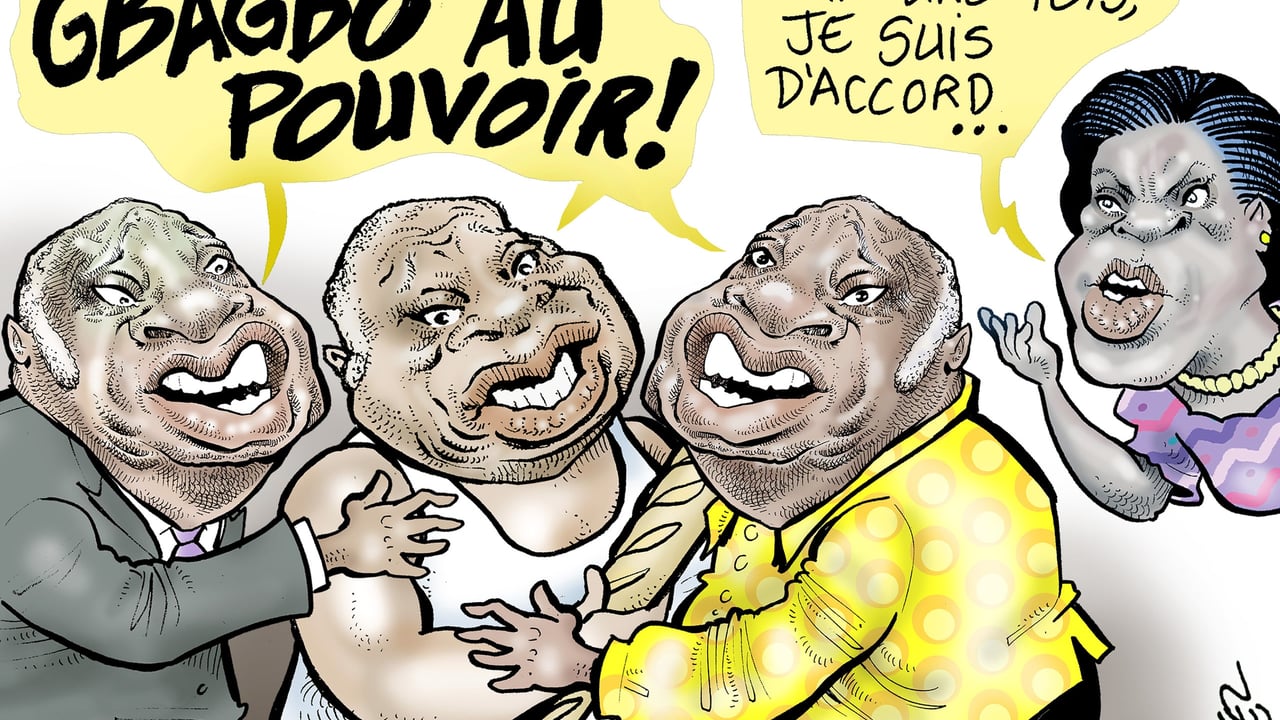
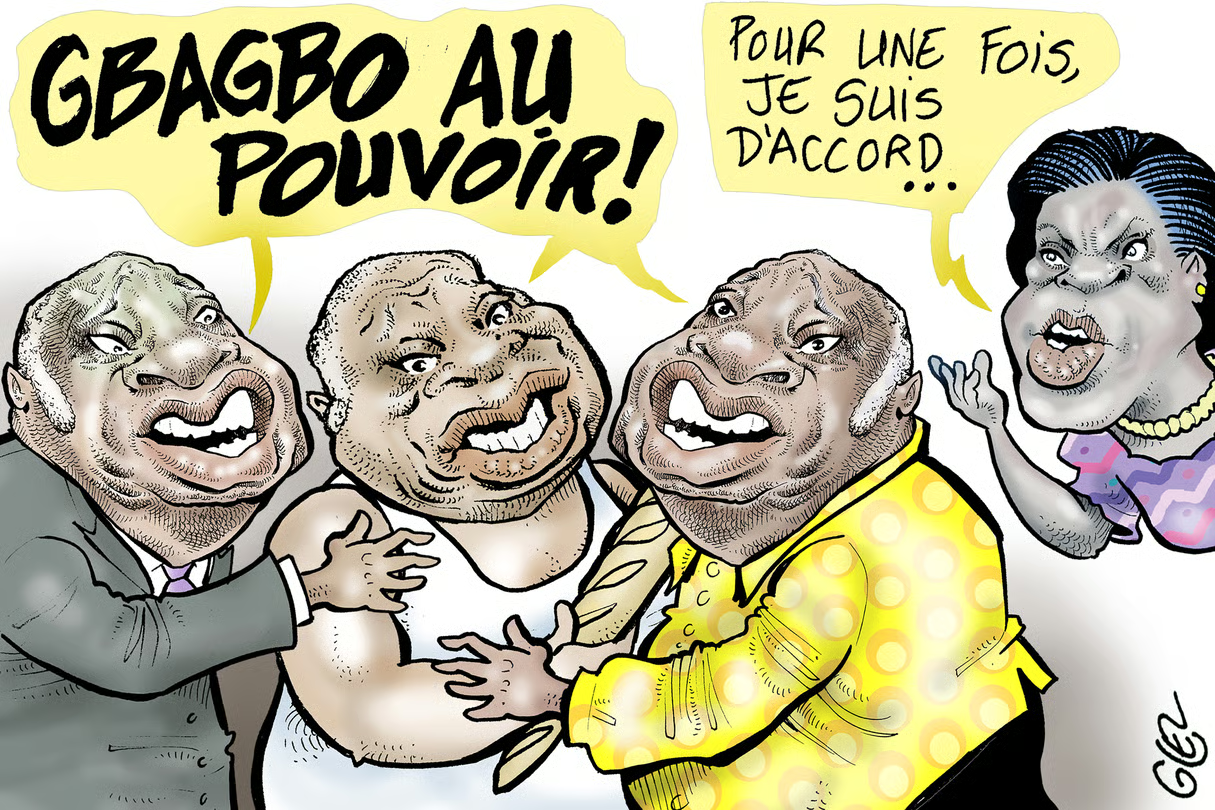
After years of political ambiguity, the veteran leader Laurent Gbagbo has once again assumed the helm of the PPA-CI, Côte d’Ivoire’s People’s Party of Africa. The decision came during the party’s first ordinary congress on May 14-15 at the Treichville Cultural Palace, where delegates unanimously endorsed his leadership despite his absence from the proceedings.
The move signals a strategic pivot for the PPA-CI, which has struggled to regain momentum since its founder was barred from running in the 2020 presidential election. At 80 years old, Gbagbo had hinted at stepping back from frontline politics, but the party’s internal dynamics and the continued dominance of Alassane Ouattara in Ivorian politics appear to have reshaped his priorities.
Power dynamics and party revival
Gbagbo’s re-election as party president—formally justified by claims of overwhelming grassroots demand—reflects a calculated gamble to reinvigorate the PPA-CI’s fading influence. The party, which boycotted both the 2020 presidential and 2025 legislative elections, now faces the dual challenge of reconciling internal divisions and redefining its electoral strategy.
The congress, attended by 3,000 delegates, projected an image of unity, but behind the scenes, the party had recently expelled 65 members—including high-profile figures like Lakota Mayor Prince Arthur Dalli and independent MP Stéphane Kipré—for defying the leadership’s boycott decision. These dissidents had openly challenged Gbagbo’s approach, advocating for organizational reforms and a fresh distribution of leadership roles.
A purge and protests
The disciplinary actions, ranging from three-month to 18-month suspensions, underscore the depth of the rift within the PPA-CI. Among those sanctioned are prominent figures such as economist Georges Armand Ouégnin. Their exclusion from the congress highlights the party’s resolve to silence dissent, but it also risks alienating key supporters who question the leadership’s commitment to democratic renewal.
Despite the internal upheaval, Gbagbo’s supporters framed his re-election as a necessary step to preserve the party’s legacy. The former president, known affectionately as the “Woody of Mama,” has long been a polarizing figure in Ivorian politics. His return to the spotlight—amid celebrations in his hometown of Songon—suggests that his political instincts remain as sharp as ever, even as the PPA-CI grapples with irrelevance in a rapidly evolving electoral landscape.
While Gbagbo may not intend to micromanage the party’s daily operations, his renewed presence raises questions about the PPA-CI’s future direction. For now, the party’s survival hinges on its ability to reconcile its past divisions and articulate a compelling vision that resonates beyond its traditional base.