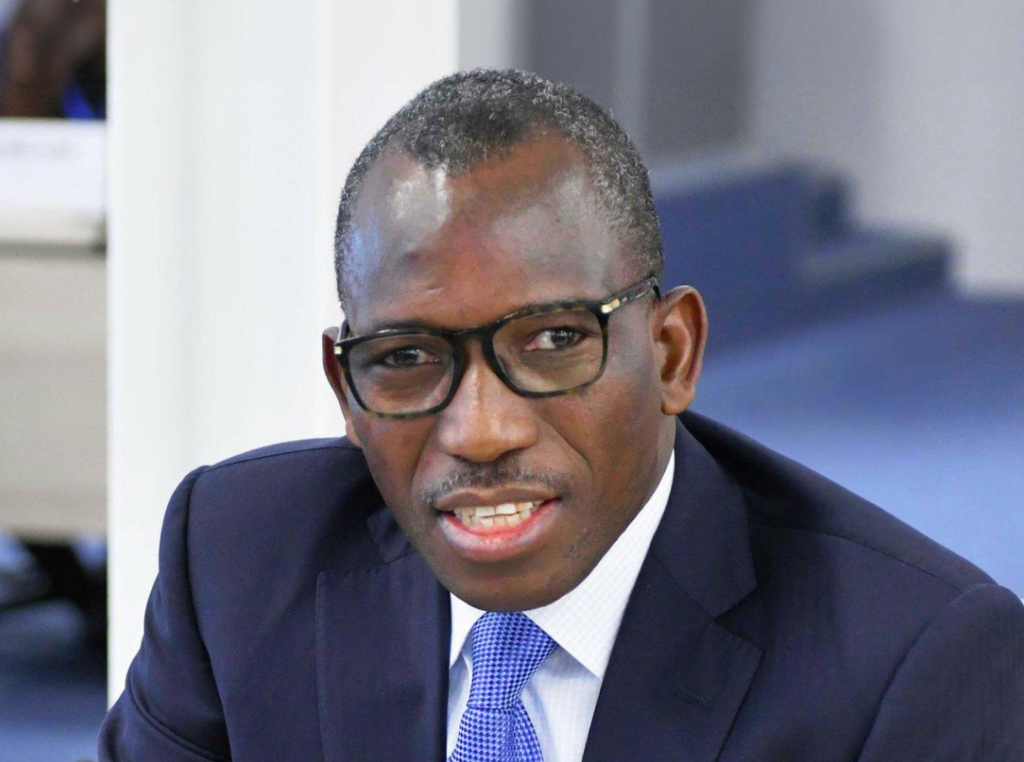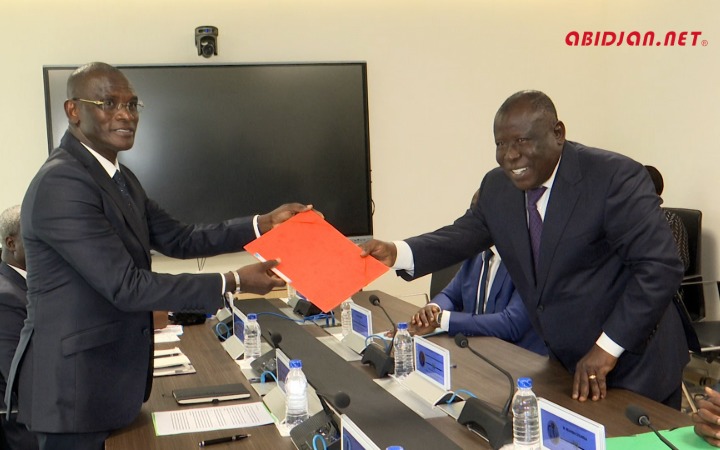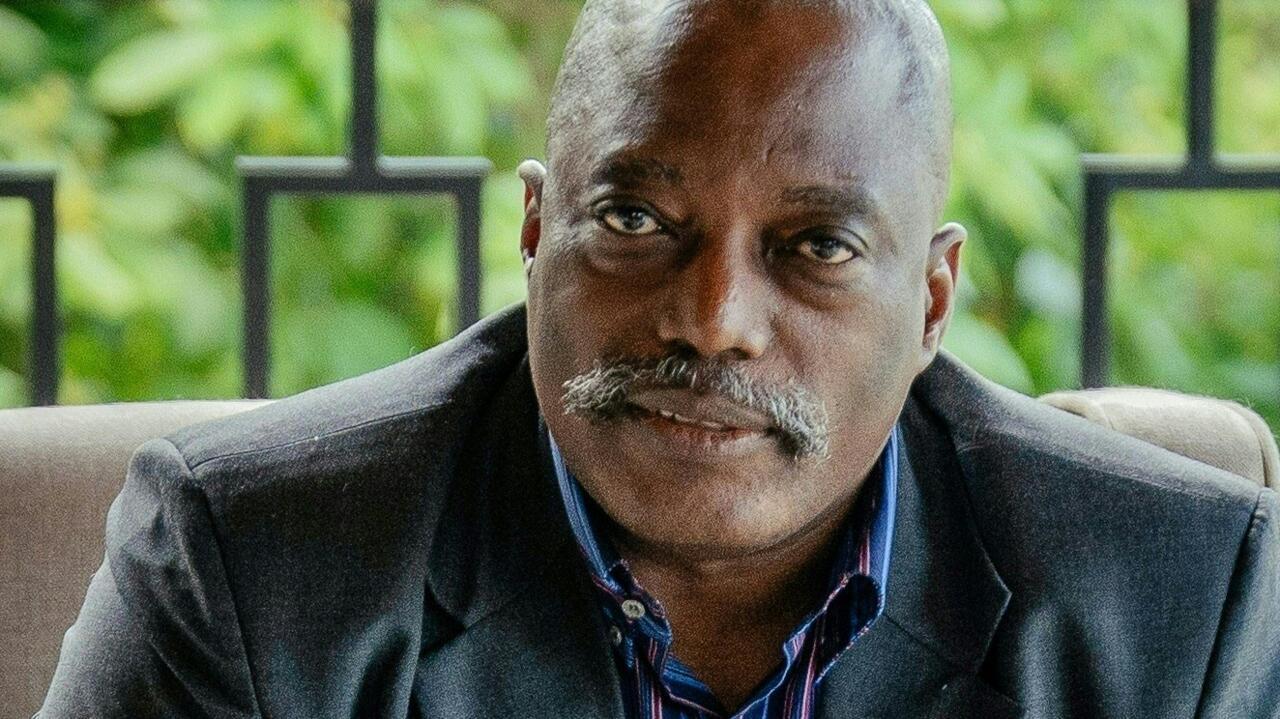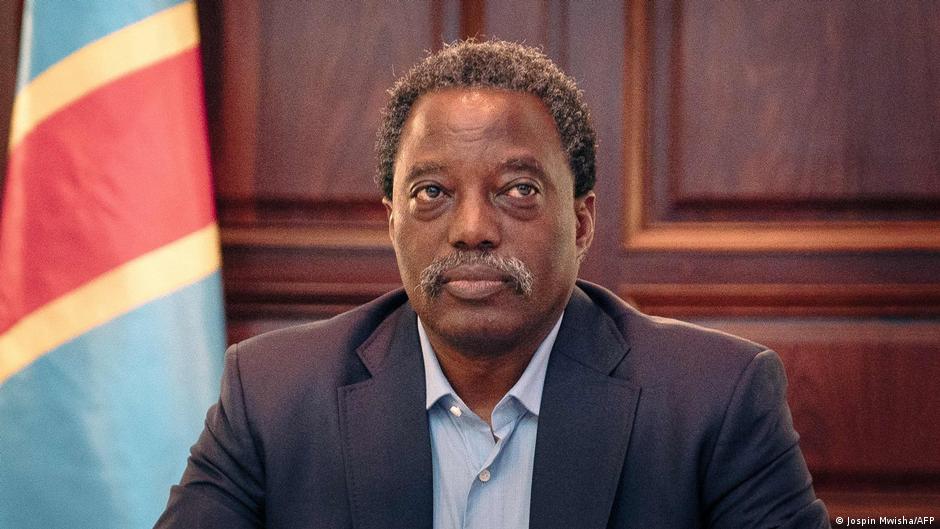
The anticipated decision arrived with solemnity. Convening in Abidjan, the African Peoples’ Party – Côte d’Ivoire (PPA-CI) officially reinstated Laurent Gbagbo as its president on Thursday, May 14, 2026. At 81 years old, the former Ivorian head of state embarks on another term leading the political formation he established in October 2021, following his definitive separation from the Ivorian Popular Front (FPI). This congress, marking the first of its kind since the party’s inception, unfolds against a backdrop of political retreat for Côte d’Ivoire’s radical opposition.
A congress to counter electoral marginalization
The PPA-CI emerges weakened from an electoral cycle it largely chose to abstain from. The party did not participate in either the legislative or the presidential elections of October 2025, a contest decisively won by the ruling faction with no substantial opposition present in the arena. Party officials justified this absence by citing conditions they deemed inequitable, a stance that has left the formation without significant institutional representation or a parliamentary voice. The Abidjan congress is precisely designed to mend this vulnerability, aiming to re-establish a strategic direction for a militant apparatus fatigued by three years of legal battles and political setbacks.
For Laurent Gbagbo, the stakes are twofold. Firstly, it involves reasserting his personal leadership, which has faced internal dissent from certain cadres weary of the former president’s persistent ineligibility, a consequence of his conviction in the ‘BCEAO robbery’ case. Secondly, the objective is to restore the PPA-CI’s tangible political relevance, particularly as the Ivorian political landscape reconfigures itself around the Rally of Houphouëtists for Democracy and Peace (RHDP) and the successors of the Democratic Party of Côte d’Ivoire (PDCI).
An opposition seeking renewed vitality
Laurent Gbagbo’s re-election crystallizes a broader discussion surrounding generational transition within West African opposition movements. As a foundational figure of a pan-Africanist left that emerged in the 1980s, the former president remains an ideological anchor for his supporters. Conversely, critics view his continued leadership as an illustration of the challenges African parties face in cultivating credible succession. While no clear successor publicly emerged from the congress, several key lieutenants, including long-standing allies, continue to hold influential positions within the executive secretariat.
Furthermore, the PPA-CI must clarify its alliance strategy. Discussions held in recent months with dissident PDCI cadres and various citizen platforms have yet to culminate in a formal coalition. Without a broader alliance, the Gbagbo-led formation struggles to exert significant influence in a political environment where Alassane Ouattara’s administration commands a comfortable parliamentary majority and a deeply entrenched territorial network.
Prospects for 2030
The future horizon now articulated by PPA-CI leadership extends to the municipal and regional elections anticipated in 2028, followed by the presidential election of 2030. Several strategic directions were outlined during the congress: a comprehensive restructuring of local networks, enhanced digital communication efforts, and political training for young activists. The party asserts a presence in nearly all departments across the nation, yet its ability to translate this grassroots presence into electoral votes has been underwhelming in recent contests.
The sensitive issue of Laurent Gbagbo’s eligibility remains. His legal team continues to advocate for his re-registration on electoral lists, leveraging the partial amnesty he received after his return to Abidjan in June 2021. Without the removal of this legal impediment, the PPA-CI will continue to operate with a president who is both omnipresent and legally constrained. This dynamic significantly impacts the party’s capacity to envision a future beyond its founder’s immediate influence.
The outcome of the congress unequivocally confirms that the debate surrounding succession has, for now, been deferred. The PPA-CI’s trajectory in the coming months will reveal whether the former president’s renewed mandate inaugurates a genuine phase of resurgence or merely prolongs a form of militant status quo.