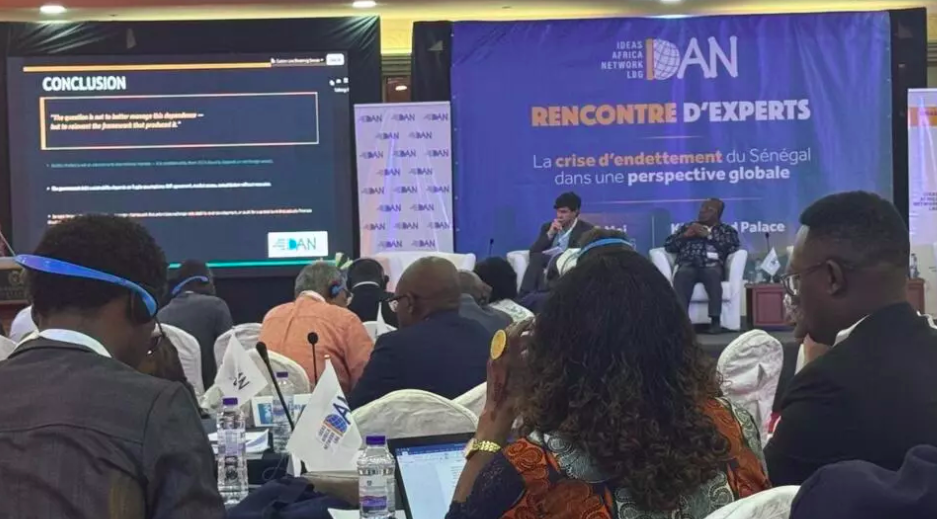
Economists gathered in Dakar this week to address Senegal’s escalating debt crisis, calling for a fundamental shift in the country’s borrowing strategies. During a high-level conference on public debt, experts emphasized the urgent need for a comprehensive audit of Senegal’s debt portfolio and diversification of financial partnerships beyond traditional multilateral institutions.
Uncovering hidden financial commitments
Senegalese authorities have recently disclosed previously undisclosed financial obligations incurred between 2019 and 2024, raising concerns about transparency in public finances. While former President Macky Sall denied these claims, government officials now report that the nation’s debt-to-GDP ratio has surged to 132%, intensifying pressure to find sustainable solutions.
Exploring alternative financing models
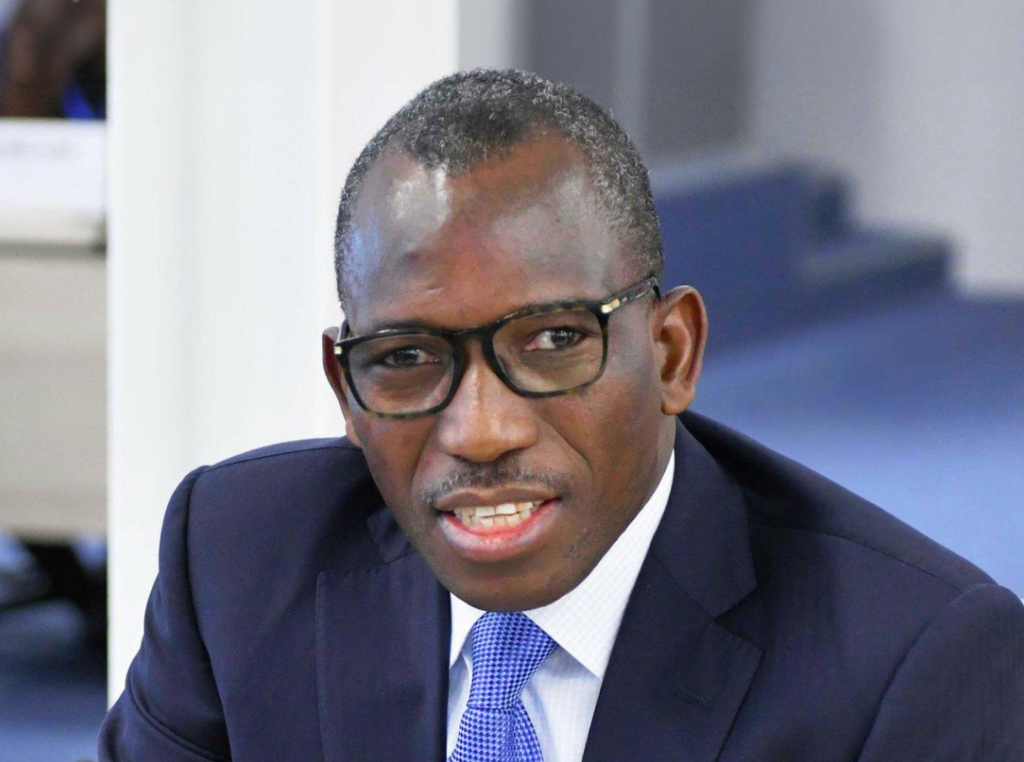
Demba Moussa Dembélé, president of the African Research and Cooperation for Endogenous Development, argued that Senegal should prioritize partnerships with countries that respect national sovereignty over traditional multilateral lenders. He highlighted China as a potential partner, stating, “These are allies that can help us break free from neocolonial financial structures.”
Dembélé also advocated for a full-scale audit of Senegal’s public debt to assess its true extent and ensure accountability. His recommendations align with growing calls for greater fiscal transparency across Africa.
Learning from global examples
Ali Zafar, an economic advisor at the United Nations Development Programme (UNDP), drew parallels with Turkey’s debt strategy, which successfully expanded its creditor network by engaging with Saudi Arabia. “Senegal should explore similar bilateral agreements,” Zafar suggested, pointing to China’s experience in managing debt repayments. He urged Senegalese negotiators to approach International Monetary Fund (IMF) talks with strong counterproposals, warning that “countries cannot afford to divert all revenue to debt servicing or use international loans to repay existing creditors.”
Zafar emphasized the importance of protecting social sectors like education and healthcare during debt negotiations, stressing that “IMF-imposed rules must not stifle essential public services.” He also proposed the creation of an independent central bank to enhance monetary sovereignty, a move he believes could prevent future debt crises. “No Asian nation would accept the financial strain Senegal faces today,” he noted, calling for bold, sovereign solutions to break free from dependency on multilateral lenders.
Ongoing negotiations with IMF
Despite these recommendations, discussions between Senegal and the IMF continue. In late April, Senegalese officials, including Alioune Diouf, Director of Debt at the Ministry of Finance and Budget, met with IMF representatives in Washington to explore potential financial arrangements.