How Boko Haram leverages kidnappings to sustain its insurgency across West Africa
The Sahel region, particularly the Lake Chad basin, has become a hotspot for Boko Haram operations, where kidnappings have evolved into a structured, lucrative industry funding the group’s violent campaign. This West Africa Sahel news analysis examines how hostage-taking fuels terrorism and destabilizes the region.
The kidnapping epidemic: scale and regional reach
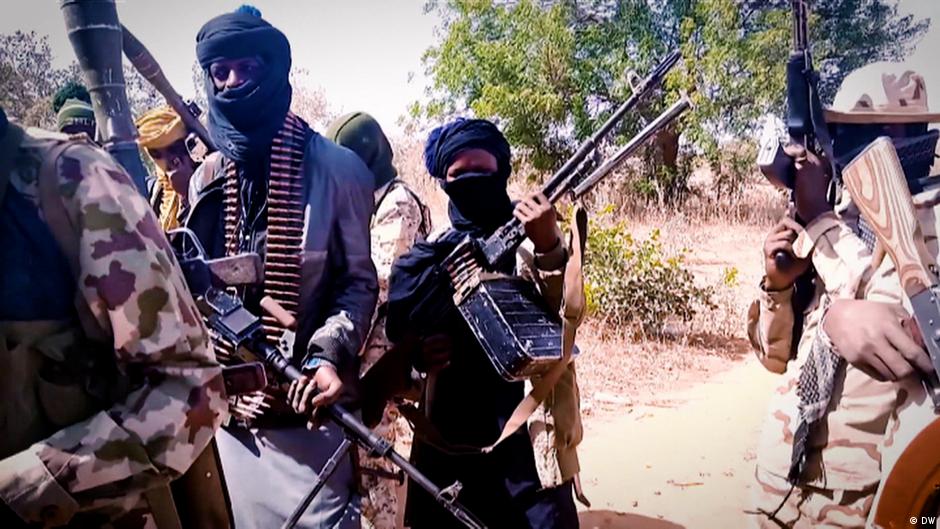
Nigeria remains the epicenter of this crisis, accounting for the majority of incidents. Between July 2024 and June 2025, over 4,700 people were abducted in nearly 1,000 incidents, according to security risk assessments. These attacks—often targeting schools—have resulted in hundreds of deaths and have spread beyond northern Nigeria into central regions. While Boko Haram (designated a terrorist organization by the United Nations in 2014) is the primary perpetrator, the Islamic State West Africa Province (ISWAP) has also been implicated in similar operations.
However, the kidnapping crisis extends far beyond Nigeria’s borders. In Cameroon, militants abducted bus passengers in Zigué, in the Far North region, in a high-profile incident last year. Meanwhile, in Niger, Boko Haram recently seized seven Chadian nationals near the border, killing one hostage and holding the others captive. The demands? A staggering 500 million CFA francs for the group’s medical hostage alone—a figure that underscores the financial scale of these operations.
Dual motives behind mass abductions
According to Remadji Hoinathy, a researcher at the Institute for Security Studies (ISS), these kidnappings serve two critical purposes:
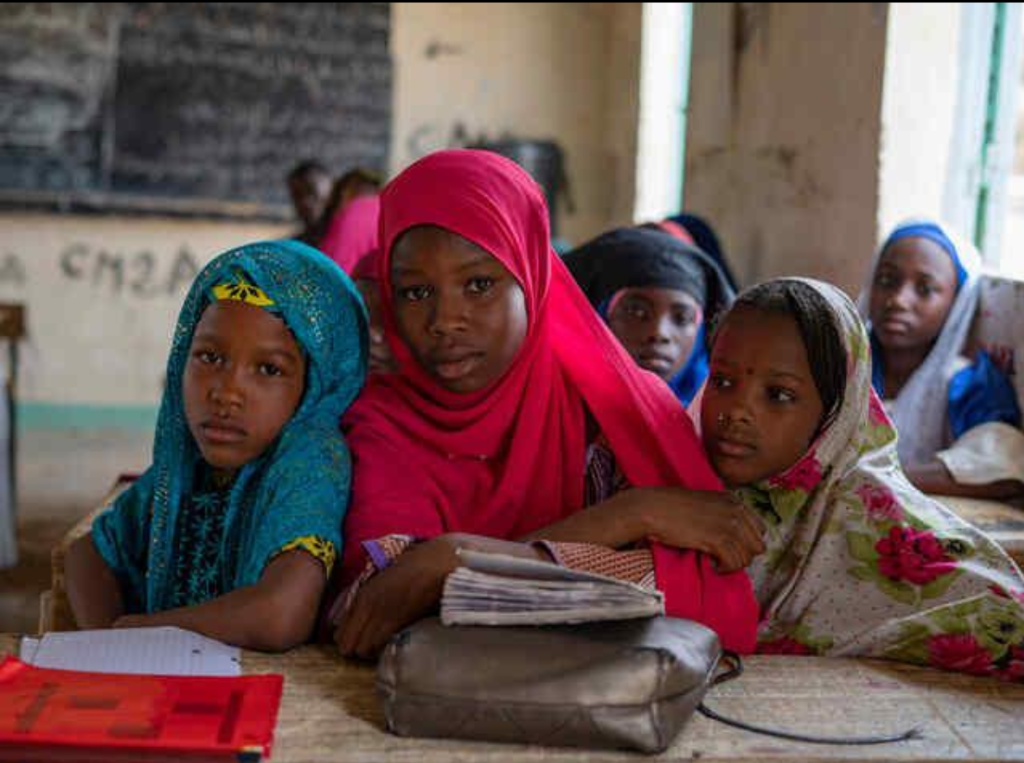
- Recruitment and exploitation: Forced conscription of youth, including women and entire communities, who are then deployed as fighters, laborers, or subjected to sexual slavery.
- Economic warfare: Systemic extortion through ransom payments, which can reach millions of naira or CFA francs—sums often partially paid by families, local communities, and even states.
In Nigeria alone, ransom demands over the past year have totaled approximately $35 million, with authorities acknowledging that $1.8 million—nearly 5% of the total—was paid by either the government or victims’ families.
The ransom dilemma: paying to survive
Despite Nigeria’s 2022 law criminalizing ransom payments—punishable by up to 15 years in prison—the practice persists. The law fails to deter desperate families or complicit officials, who continue to fund terrorism indirectly. Reports suggest that Abuja may have secretly paid Boko Haram to secure the release of 230 Catholic schoolchildren abducted in November 2025. While the government denies these claims, citing intelligence-led operations, the allegations highlight the tension between combating terrorism and protecting civilians.
Experts warn that even partial compliance with ransom demands emboldens extremists, providing them with the resources to acquire weapons, expand operations, and recruit new members. The financial strain on affected communities further weakens resilience against insurgent influence.
Boko Haram’s regional stronghold: the Lake Chad basin
Founded in 2002 in Maiduguri, Borno State, Boko Haram initially sought to impose a radical Islamic state, rejecting Western education and governance. The group’s name—”Western education is sin”—reflects its rejection of secular influences. What began as a Nigerian movement has since metastasized into a cross-border threat, with operations spanning Niger, Chad, and Cameroon.
The Lake Chad basin is pivotal to Boko Haram’s strategy for several reasons:
- Geopolitical advantages: The basin lies at the intersection of the Sahel and North Africa, serving as a transit hub for fighters and arms from Libya.
- State weaknesses: Marginalized regions with limited government presence provide fertile ground for insurgent operations and cross-border economic networks.
- Terrain and concealment: The basin’s islands, swamps, and dense forests offer natural hideouts, complicating military responses.
“This ecosystem enables groups like Boko Haram to regroup and evade pressure,” Hoinathy explains. “It’s not just a battlefield; it’s a sanctuary.”
The ISWAP schism and internal fragmentation
The Islamic State West Africa Province (ISWAP) emerged in 2016 following a split from Boko Haram’s leadership. Disillusioned by the indiscriminate violence of Abubakar Shekau, ISWAP pledged allegiance to the Islamic State, adopting a more strategic approach aimed at winning local support.
Unlike its predecessor, ISWAP prioritizes governance over raw terror, offering services to communities in exchange for compliance. However, this shift has not ended the violence. The two factions now compete for territory and resources, fueling a deadly rivalry that complicates counterterrorism efforts.
Military responses and regional coordination
The Multinational Joint Task Force (MNJTF), comprising troops from Nigeria, Niger, Chad, Cameroon, and Benin, represents the primary military response to these threats. While the force has achieved some tactical successes, its effectiveness remains constrained by logistical challenges, corruption, and the adaptive nature of extremist groups.
“Each state initially responded unilaterally with military force,” Hoinathy notes. “But the crisis demands more than just security operations. It requires sustained development initiatives to restore state authority in vulnerable communities.”
Since 2009, the insurgency has claimed over 40,000 lives and displaced 2 million people in northeast Nigeria alone. In response, the United States has deployed approximately 200 military personnel to Nigeria, providing training and support to bolster local forces.
Conclusion: a crisis rooted in fragility
The kidnapping-for-ransom model exemplifies how Boko Haram and its splinter factions exploit systemic weaknesses in the Sahel to sustain their operations. While military force remains essential, lasting stability will require addressing the underlying socio-economic and governance deficits that allow insurgents to thrive.