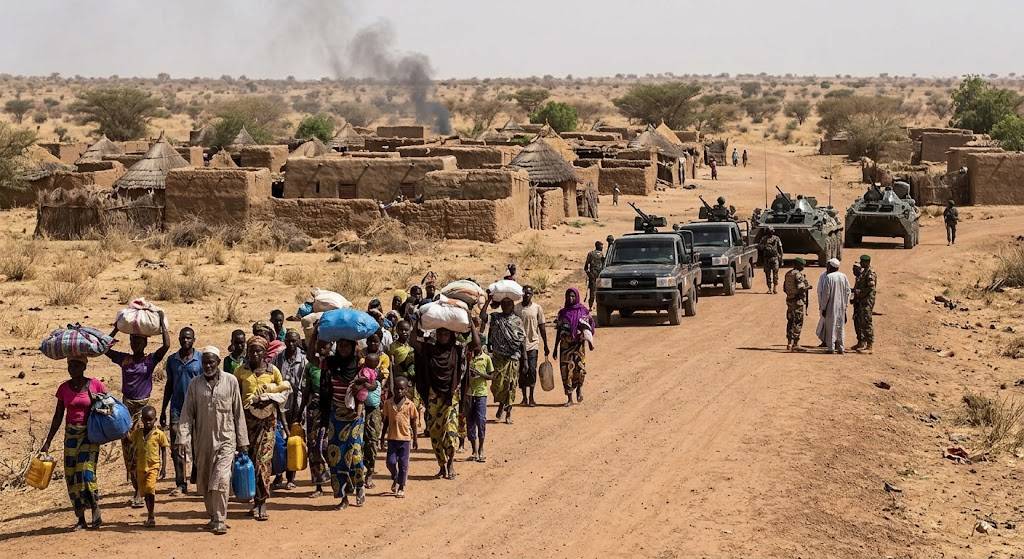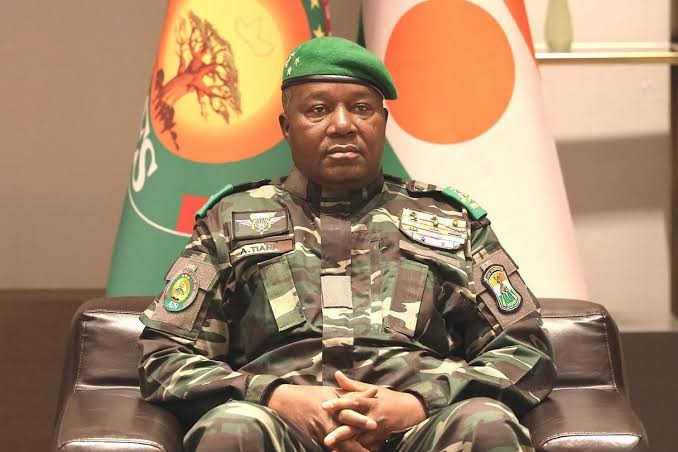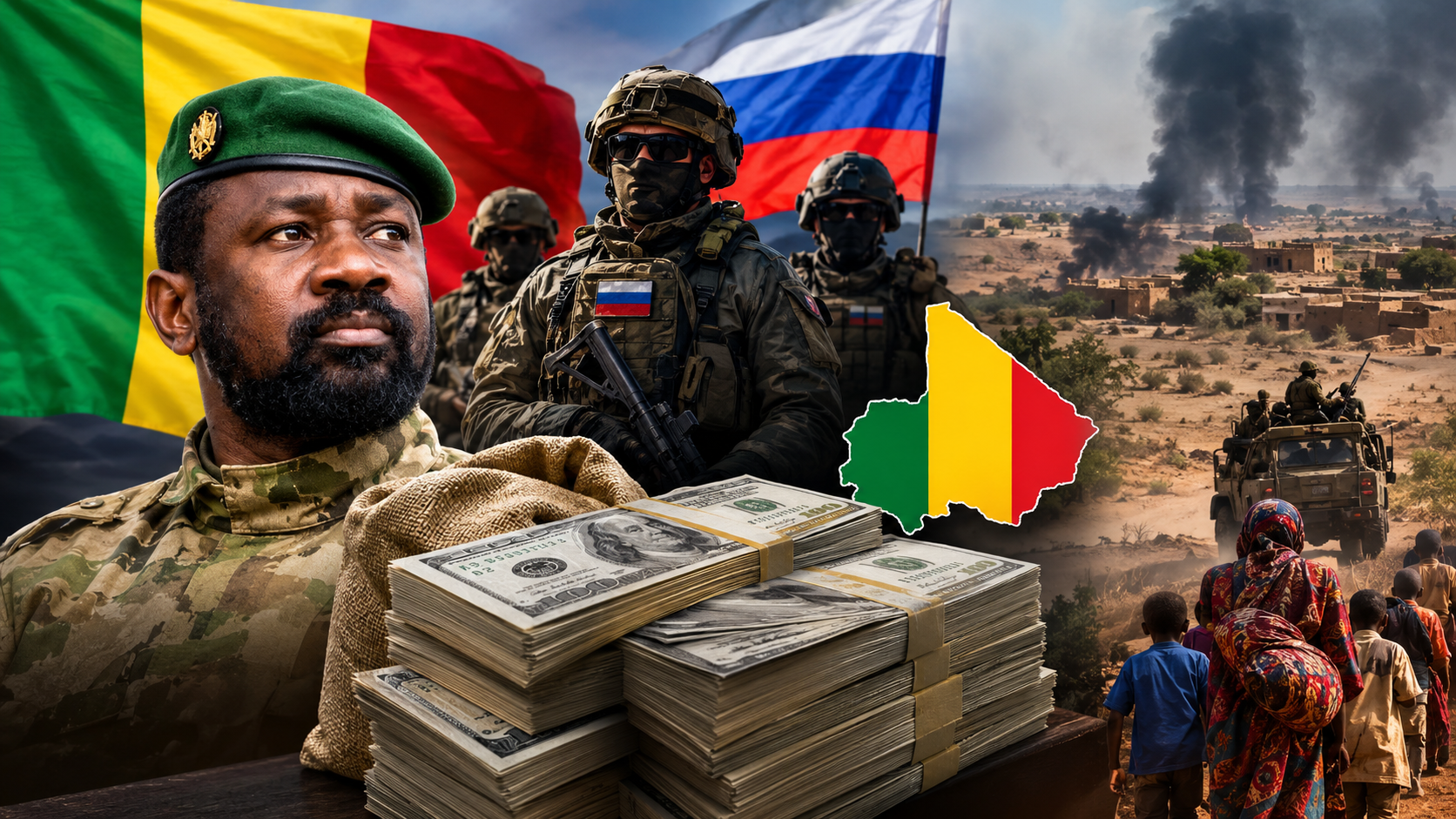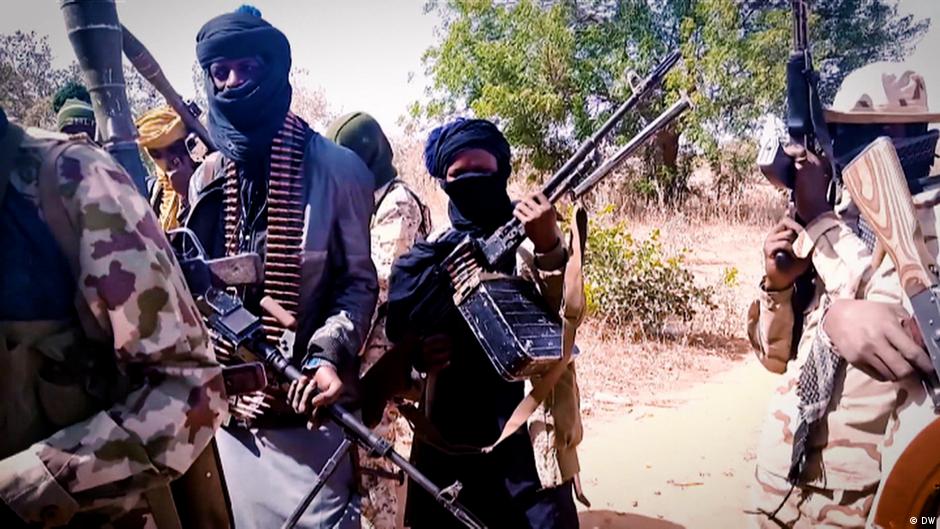
In the vast expanse where Nigeria meets the Sahel, a shadow economy thrives—one that has become the lifeblood of Boko Haram’s decade-long insurgency. Kidnapping for ransom, once sporadic, has morphed into a structured industry generating millions annually, stretching across Nigeria, Niger, Chad, and Cameroon. The tactic is no longer just about spreading terror—it’s a calculated revenue stream financing weapons, recruitment, and survival.
the scale of the crisis: 4,700+ abducted in one year
Between mid-2024 and mid-2025, nearly 5,000 people were kidnapped in nearly 1,000 incidents across West Africa’s Sahel belt, according to security risk assessments. The violence targets schools, villages, and transport routes, with schools in northern Nigeria bearing the brunt. While Boko Haram—designated a terrorist organization by the UN in 2014—remains the most notorious actor, the Islamic State’s West Africa Province (ISWAP) has joined the grim trade, exploiting porous borders and weak state presence.
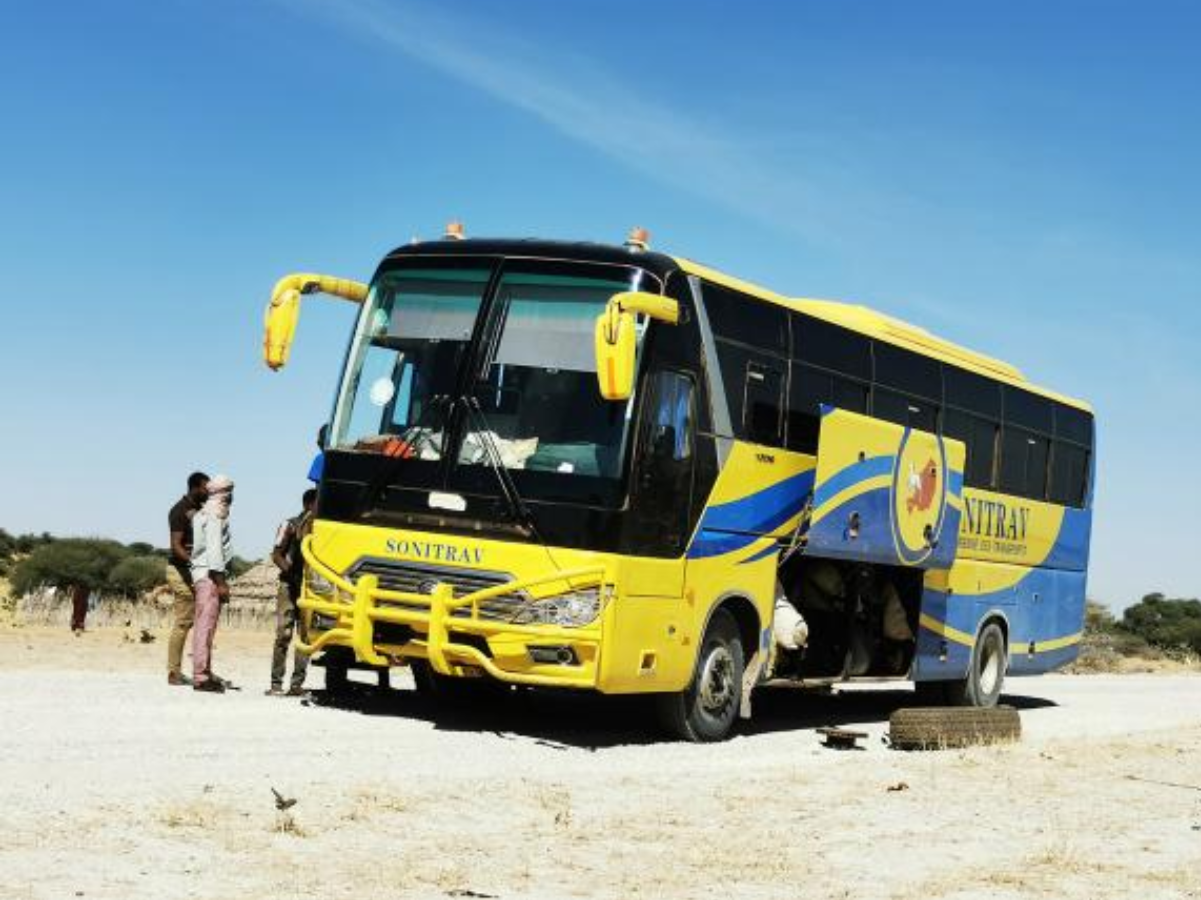
This predatory practice is not confined to Nigeria. In Cameroon’s Far North, Boko Haram militants hijacked a bus in Ziguapé last year, spiriting away passengers. In Niger, just weeks ago, seven Chadian nationals were abducted near the border. One was killed; the rest remain hostage, with a ransom demand of 50 million CFA francs per person—500 million for the group’s sole physician.
how kidnapping fuels terror: recruitment and revenue
Remadji Hoinathy, a senior researcher at the Institute for Security Studies, highlights two core objectives behind the abductions: forced recruitment and economic exploitation.
“Kidnappings serve dual purposes: replenishing ranks with coerced fighters, domestic laborers, or sexual slaves, and generating funds through ransom payments that can reach millions in naira or CFA francs.” Families, communities, and—contrary to official denials—even governments have paid. Over the past year, ransom demands in Nigeria alone totaled $35 million, with at least 5% reportedly settled, according to security intelligence.
ransom payments: a clandestine lifeline
Despite a 2022 law criminalizing ransom payments—punishable by up to 15 years in prison—Abuja’s stance appears flexible in practice. In November 2025, nearly 230 students and staff from a Catholic school in Niger State were freed after what officials described as a successful intelligence-led operation. Yet credible reports indicate a substantial cash payment was made to Boko Haram, with estimates ranging from €1.3 million to €6 million. Funds were allegedly delivered in cash via helicopter to a militant leader in Borno State. The government denies these claims, insisting the release resulted from military precision. Experts caution that acknowledging such payments could embolden insurgent propaganda.
the strategic heart of the insurgency: Lake Chad Basin
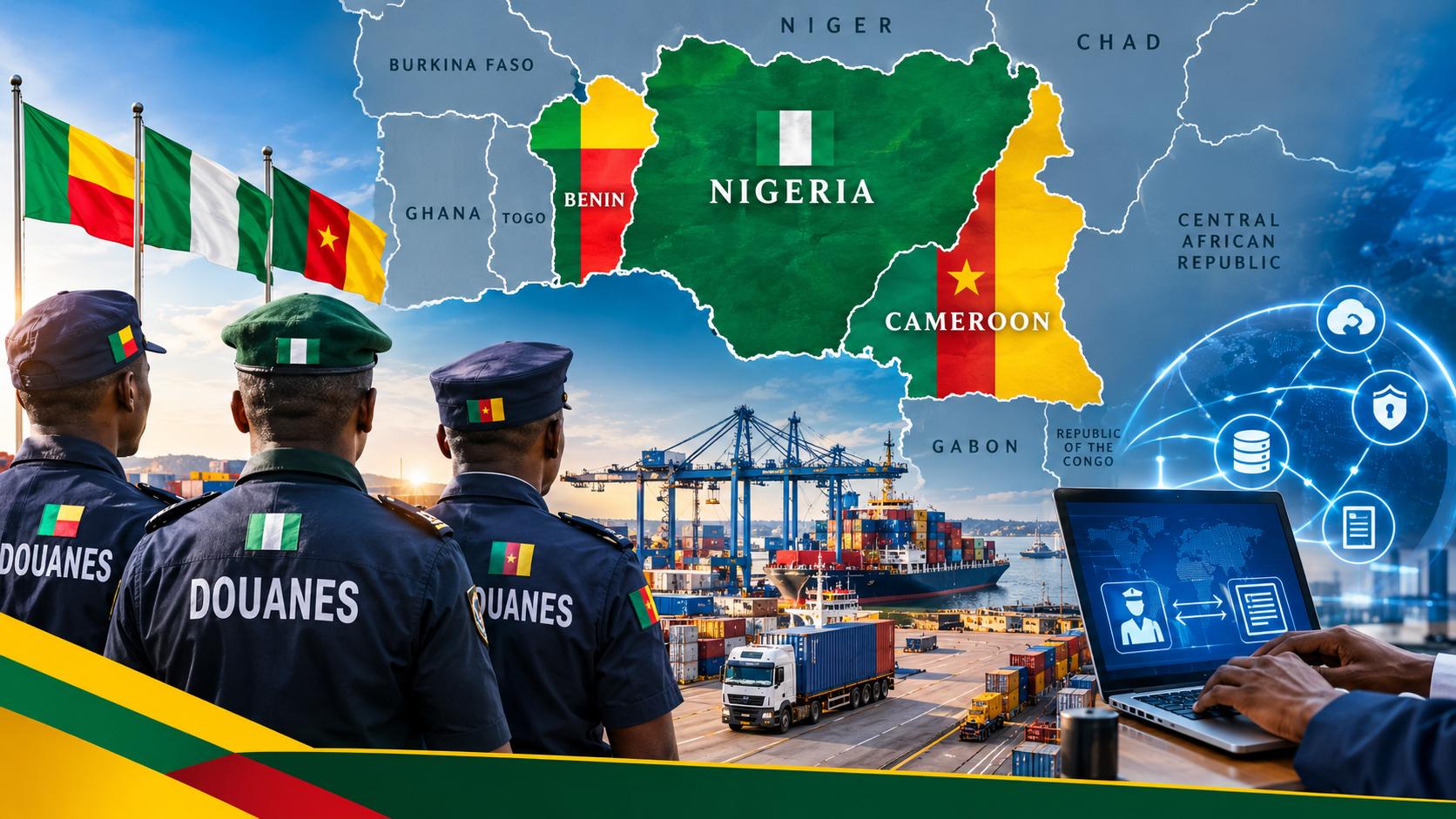
The Lake Chad Basin—shared by Nigeria, Niger, Chad, and Cameroon—has become the epicenter of Boko Haram’s survival strategy. Its transboundary geography, porous borders, and weak state control create ideal conditions for militant groups. The region’s agricultural and pastoral economy supports a thriving informal trade network, which insurgents tax and exploit. Geographically isolated by islands, swamps, and dense forests, the area offers natural camouflage during military crackdowns. It also links the Sahel to Libya, a key transit hub for fighters and arms smuggling.
“The Lake Chad Basin is a crossroads for jihadist networks,” explains Hoinathy. “It connects the Sahel to Libya’s arms pipelines and benefits from marginalized communities where state authority is minimal. These factors make it both an economic engine and a safe haven for insurgents.”
Boko Haram vs. ISWAP: a bloody rivalry
In 2016, ISWAP emerged from a schism within Boko Haram, rejecting the latter’s indiscriminate violence against civilians—even Muslims. Pledging allegiance to the Islamic State, ISWAP adopted a more pragmatic approach, cultivating local alliances and building governance structures in captured territories. The split has led to violent clashes between the two factions, each vying for dominance in the basin and control over resources and populations.
regional responses: military and beyond
Since 2009, the Lake Chad Basin Commission’s Multinational Joint Task Force (MNJTF) has coordinated military efforts among regional states. Yet after more than a decade, Boko Haram and ISWAP persist, adapting to counterinsurgency tactics. Military responses remain essential, but experts emphasize the need for community stabilization programs—rebuilding state presence, restoring livelihoods, and addressing grievances that fuel recruitment.
With over 40,000 deaths and 2 million displaced, the human cost is staggering. International partners like the United States have deployed 200 troops to Nigeria since 2025 to train and advise local forces. But the battle is far from over. As long as ransom payments flow and communities remain vulnerable, the kidnapping industry will continue to fund terror in the Sahel.