venance konan analyzes modern panafricanism through kimi seba’s case
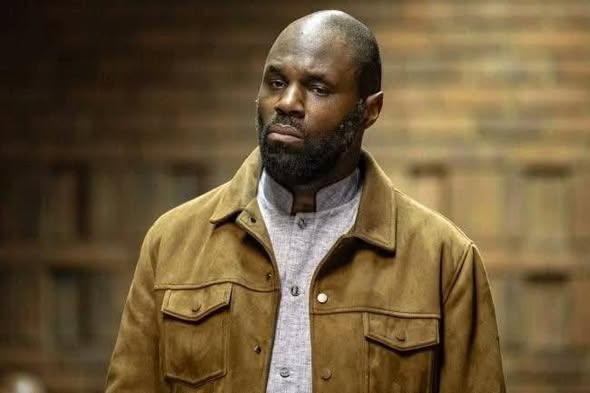
The imminent ruling by South African courts on the fate of Kémi Séba—arrested in mid-April while attempting to illegally enter Zimbabwe—has prompted Venance Konan to reflect on whether the activist, a social media sensation with 1.5 million followers, truly embodies the spirit of modern pan-Africanism. This moment offers an opportunity to examine the movement’s history and its evolving manifestations.
the controversial figure of kémi séba
What could possibly unite a Black pan-African activist with a white South African supremacist? Kémi Séba, born Stellio Gilles Robert Capo Chichi in the Bénin, holds dual citizenship—Beninese by birth and Nigerien by diplomatic passport. Recently detained in South Africa, he was accompanied by his 18-year-old son and François Van der Merwe, a white supremacist nostalgic for apartheid-era policies.
As president of the NGO Urgences panafricanistes, Séba is best known for his radical pan-African activism, particularly his fierce opposition to France, the CFA franc, and allegations of antisemitism. These views led to the revocation of his French citizenship. According to available reports, Séba was attempting to enter Zimbabwe—possibly en route to Europe—with the assistance of the South African supremacist. He faces charges in the Bénin for “apology for state security crimes and incitement to rebellion” after sharing a video supporting soldiers involved in a failed coup attempt last December. An international arrest warrant has been issued against him.
panafricanism hijacked by geopolitical alliances?
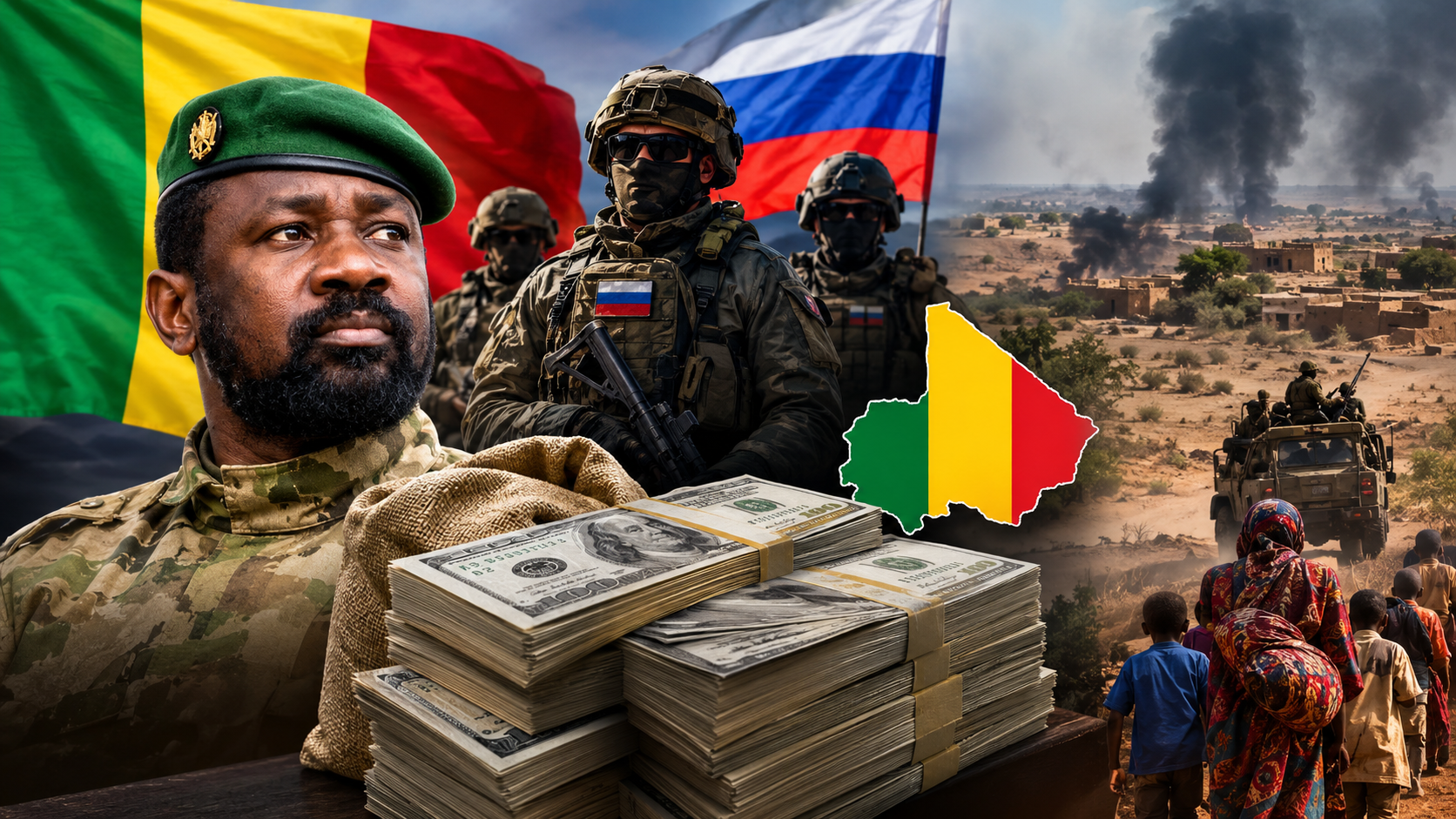
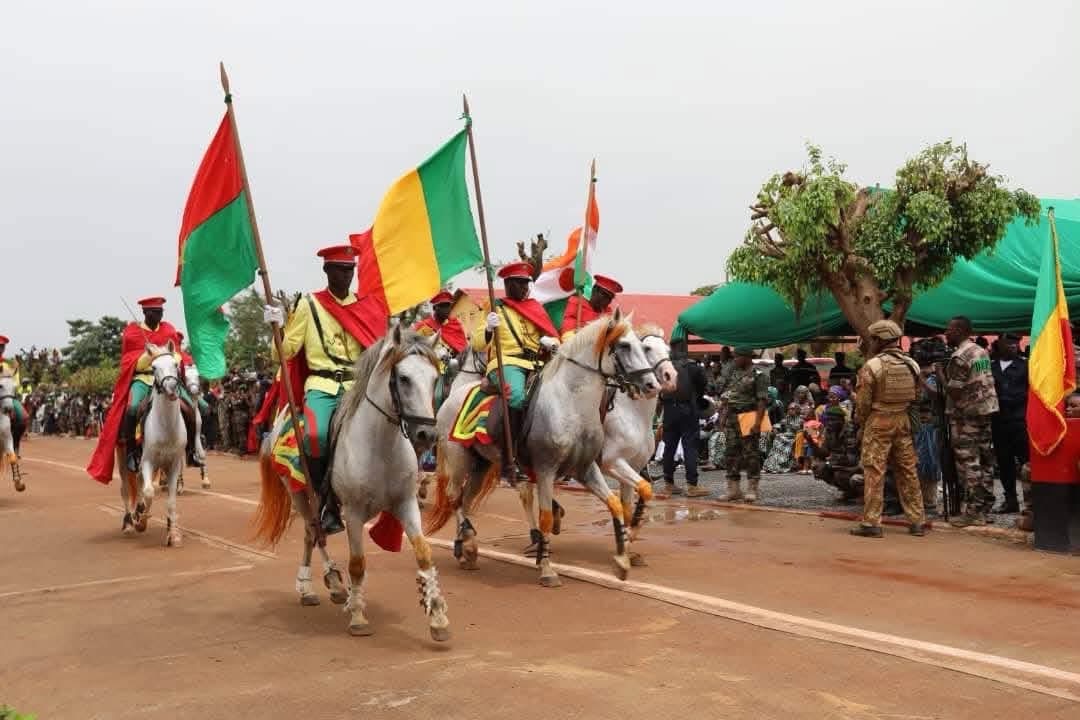
Kémi Séba, along with Franklin Nyamsi and Nathalie Yamb, represents some of the most vocal voices of pan-Africanism in Francophone Africa. These figures are at the forefront of campaigns against French influence on the continent. However, they also serve as prominent propagandists for Russia and staunch supporters of the three authoritarian leaders of the Alliance des États du Sahel (AES)—Assimi Goïta of Mali, Ibrahim Traoré of Burkina Faso, and Abdourahamane Tiani of the Niger. Does this new wave of pan-Africanism mean fighting France only to align with Russia and bolster military juntas that openly reject democracy?
from anticolonial struggle to fragmented nationalism
The origins of pan-Africanism trace back to early 20th-century intellectual circles in the United States and the Caribbean. It became a driving force in the anti-colonial struggle across Africa, with leaders like Kwame Nkrumah of Ghana, Sékou Touré of Guinea, and Patrice Lumumba of the Congo at its forefront. The ideology united African students in France through the Fédération des étudiants d’Afrique noire en France (FEANF), a syndical organization founded in 1950 that quickly adopted a political stance, advocating for decolonization and continental unity. Its vocal opposition to the Algerian War drew harsh retaliation from French authorities, including reduced scholarships and intensified police surveillance. The FEANF was dissolved in 1980.
The independence of Ghana in 1957 and most African nations in 1960 were seen as triumphs of pan-Africanism, culminating in the creation of the Organisation de l’unité africaine (OUA)—a major step toward continental unification. However, after independence, narrow nationalism took hold. Rather than unity, African nations saw fragmentation through secessions, such as the emergence of Eritrea and the division of Sudan. Attempts at unity, like the NEPAD initiative launched in 2001, failed to gain traction. Even Mouammar Kadhafi‘s 2002 push to transform the OUA into the African Union (AU) ultimately fell short, culminating in his assassination in 2011 during a Franco-American-British intervention.
the gap between rhetoric and reality
Today, declaring oneself a pan-Africanist is almost obligatory for African leaders. Ministries or departments dedicated to African integration exist in several countries. For instance, Laurent Gbagbo, former president of the Côte d’Ivoire, recently launched the Parti des peuples africains-Côte d’Ivoire (PPA-CI), branding it as pan-Africanist. Similarly, Senegal’s ruling party is named Les Patriotes africains du Sénégal pour le travail, l’éthique et la fraternité (PASTEF).
Yet, despite these declarations, many African nations engage in internal strife—such as civil wars in the Horn of Africa, Sudan, or conflicts in the Great Lakes region—or target foreign Africans within their borders. South Africa, for example, has a history of xenophobic violence against migrants. Meanwhile, in West Africa, tensions persist between Sahelian nations and their neighbors in the ECOWAS bloc.
a call for genuine unity
Where have all the true pan-Africanists gone? Today’s most visible voices—Kémi Séba, Franklin Nyamsi, and Nathalie Yamb—dominate social media feeds. Séba, originally from Bénin, was French before losing his citizenship due to anti-French rhetoric. Nyamsi, from Cameroon, and Yamb, of Cameroonian-Swiss descent, face sanctions from France and the European Union for similar stances. They claim persecution for their anti-Western campaigns, particularly against France. But where does pan-Africanism stand when these figures openly serve Russian interests? Is liberation achieved by submitting to a new form of domination? The atrocities committed by Russian-backed forces in the Sahel should not be ignored. Where is the pan-Africanism when these leaders align themselves with oppressive regimes that silence dissent through imprisonment, disappearances, or worse?
According to leaked phone conversations, Séba has accused Nyamsi and Yamb of being opportunists in the service of Faure Gnassingbé, a leader he once labeled a great pan-Africanist. Séba himself has reportedly expressed regret over losing his French citizenship. One thing is clear: this version of pan-Africanism is corrupted, stale, and reeks of deception. Yet, as the world becomes increasingly multipolar and predatory, Africa must unite swiftly—urgently—to survive. The time for genuine pan-Africanism is now.