Venance Konan examines modern panafricanism through Kémi Séba’s case
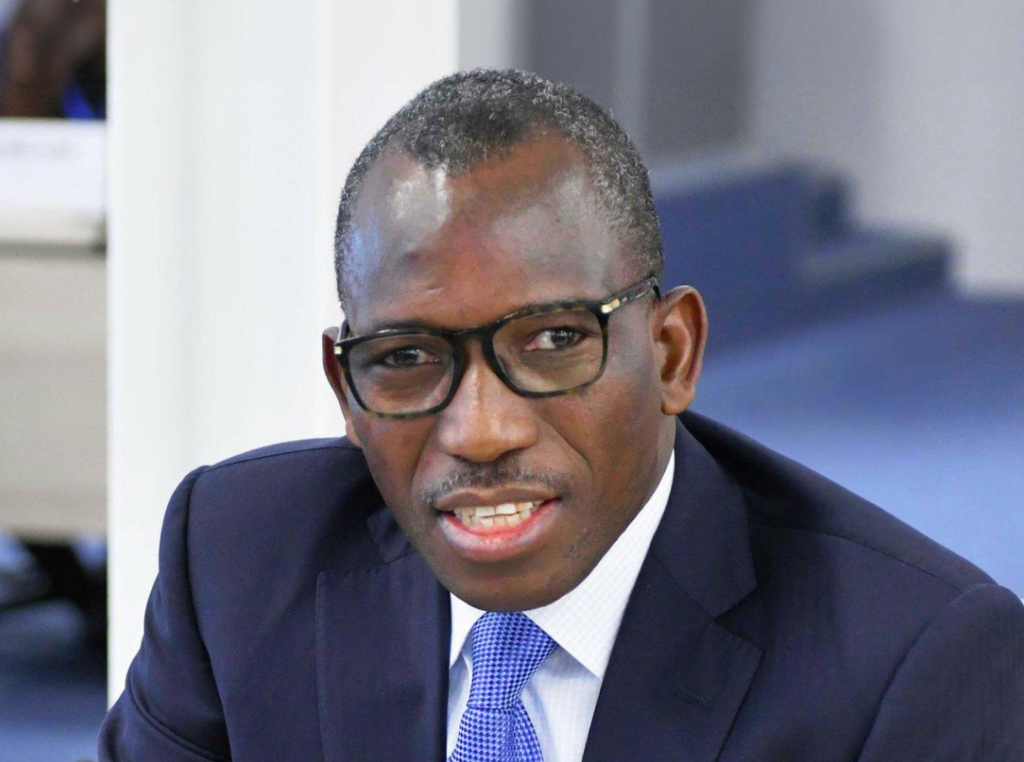
Kémi Séba during his court appearance in Pretoria on April 20
As South African courts prepare to rule on the fate of Kémi Séba—the controversial activist arrested in mid-April while attempting to enter Zimbabwe illegally—the writer Venance Konan questions whether this social media phenomenon truly embodies the spirit of modern panafricanism. With 1.5 million followers across African digital platforms, Séba has become a polarizing figure in the continent’s political discourse. His case offers a lens through which to examine the evolution—and contradictions—of a movement born to unite African peoples.
Kémi Séba, born Stellio Gilles Robert Capo Chichi in Benin and holder of a Nigerian diplomatic passport, was detained in Johannesburg alongside his 18-year-old son and François Van der Merwe, a South African white supremacist with apartheid nostalgia. Their alleged plan? To travel fraudulently through Zimbabwe, possibly with onward travel to Europe. Already facing Benin charges for “apology of state security crimes and incitement to rebellion”—stemming from a video endorsing soldiers involved in a failed December coup—an international arrest warrant has been issued for him.
The panafricanism paradox: from liberation to alignment with Russia
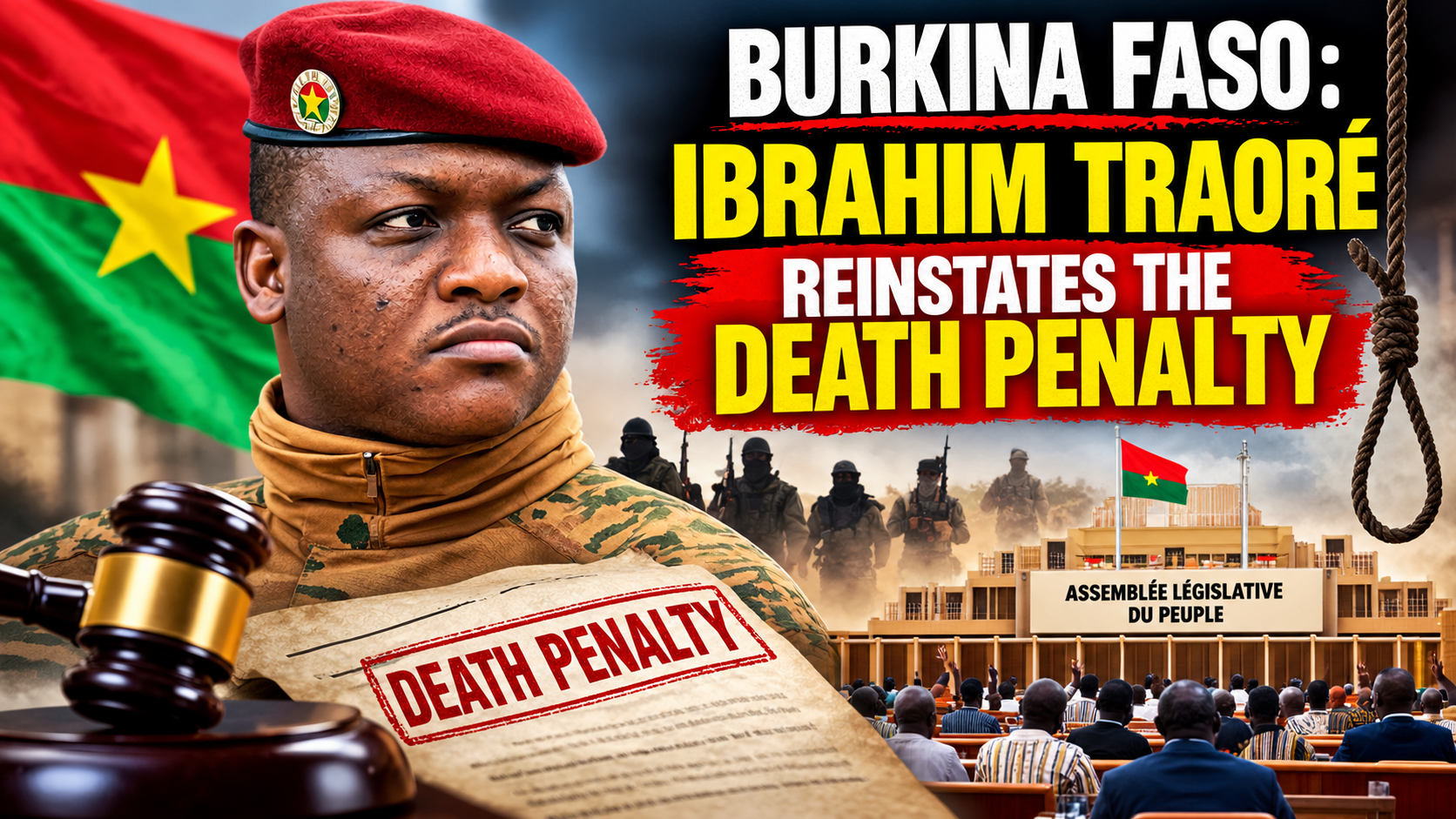
Kémi Séba joins a trio of francophone voices—alongside Franklin Nyamsi and Nathalie Yamb—who dominate the digital landscape of panafricanist rhetoric, particularly in their aggressive opposition to French influence in Africa. Yet this modern iteration of the movement has taken a troubling turn: these activists now serve as vocal propagandists for Russia and staunch supporters of the military regimes in the Alliance of Sahel States (AES)—Mali, Burkina Faso, and Niger. Is today’s panafricanism about opposing France only to align with Moscow while backing authoritarian putschists who reject democracy?
From anticolonial roots to fractured realities
The panafricanist ideal emerged in the early 20th century among Black intellectuals in the Americas and Caribbean. It became the ideological foundation for anticolonial struggles across Africa, with leaders like Kwame Nkrumah of Ghana, Sékou Touré of Guinea, and Patrice Lumumba of Congo inspiring generations. The Federation of Black African Students in France (FEANF), founded in 1950, became a powerful vehicle for this vision, turning from student unionism to political militancy against colonization and for continental unity. Its fierce opposition to the Algerian War drew harsh reprisals from French authorities, including increased rents for African students, reduced scholarships, and constant surveillance—until the organization was dissolved in 1980.
The wave of independence that swept Africa in the late 1950s and early 1960s—beginning with Ghana in 1957—was widely seen as the triumph of panafrican ideals. The creation of the Organization of African Unity (OAU) in 1963 was hailed as a step toward continental unity. Yet, once independence was achieved, narrow nationalisms took root. Instead of unity, Africa saw secessions—like Eritrea from Ethiopia and the division of Sudan—and failed separatist movements such as Biafra and Casamance. In 2002, Libyan leader Muammar Gaddafi attempted to revive the dream of African unity by pushing for the transformation of the OAU into the African Union (AU). Though the AU was established, Gaddafi’s vision never materialized after his death in 2011 during the NATO-led intervention. The AU introduced the New Partnership for Africa’s Development (NEPAD) in 2001 to accelerate integration and development, but the initiative has since faded from public discourse.
Panafricanism in name only: from rhetoric to exclusion
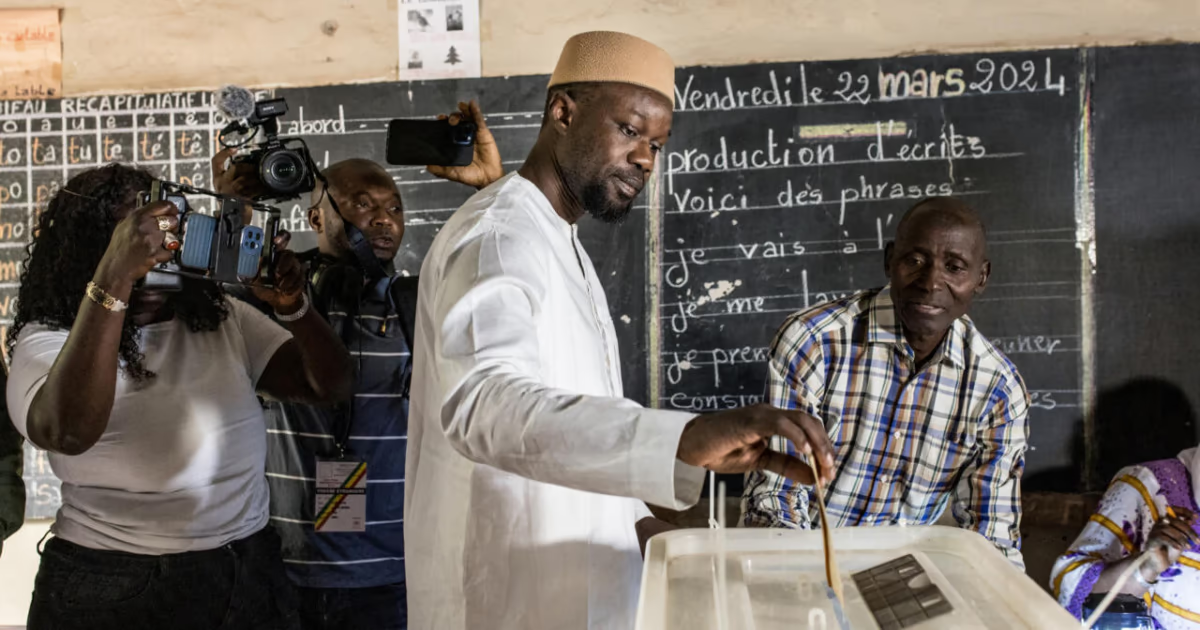
Today, declaring oneself a panafricanist is almost obligatory—whether for African politicians or visiting European leaders. Some countries have even established ministries or departments dedicated to African integration. For instance, former Ivorian President Laurent Gbagbo, who led Côte d’Ivoire from 2000 to 2010, recently launched a new political party, the African Peoples’ Party of Côte d’Ivoire (PPA-CI), positioning it as panafricanist. Similarly, Senegal’s ruling party is called the Patriotic Africans of Senegal for Work, Ethics, and Fraternity (PASTEF).
Yet beneath the rhetoric, reality tells a different story. African nations are not uniting—they are often at odds. While some regions descend into civil war, others engage in xenophobic campaigns against African migrants, as seen in South Africa. Even in stable regions like West Africa, tensions persist between Sahel countries and their neighbors in the Economic Community of West African States (ECOWAS).
Where, then, are today’s true panafricanists? Only a handful remain visible: Séba, Nyamsi, and Yamb—three voices amplified across social media. Séba, of Beninese descent but once French, lost his citizenship due to his radical positions. Nyamsi, Cameroonian-French, faces scrutiny from Paris for his anti-French rhetoric. Yamb, of Cameroonian-Swiss heritage, is sanctioned by the European Union for similar activism. They frame themselves as persecuted champions of African liberation. But where is the panafricanist ideal when these voices openly align with Russian interests in Africa? Is liberation achieved by swapping one foreign domination for another? Can panafricanism be claimed while supporting Russian mercenaries who plunder Sahel nations? Where is the panafricanism when it serves dictatorships that suppress freedoms, imprison opponents, and silence dissent?
According to leaked conversations attributed to Séba, his former allies Nyamsi and Yamb—whom he calls “opportunists”—may now be on the payroll of Faure Gnassingbé, Togo’s president. Interestingly, Séba himself has expressed regret over losing his French citizenship. In a world dominated by predatory powers, Africa’s survival may indeed depend on rapid unity. But this panafricanism—tainted, opportunistic, and contradictory—barely resembles its anticolonial origins. It feels less like liberation and more like a scam.