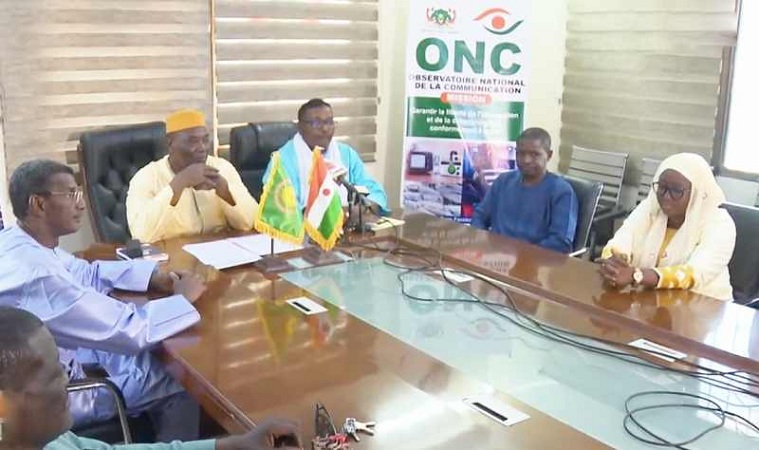
Niger suspends nine international media outlets over alleged threats to national stability
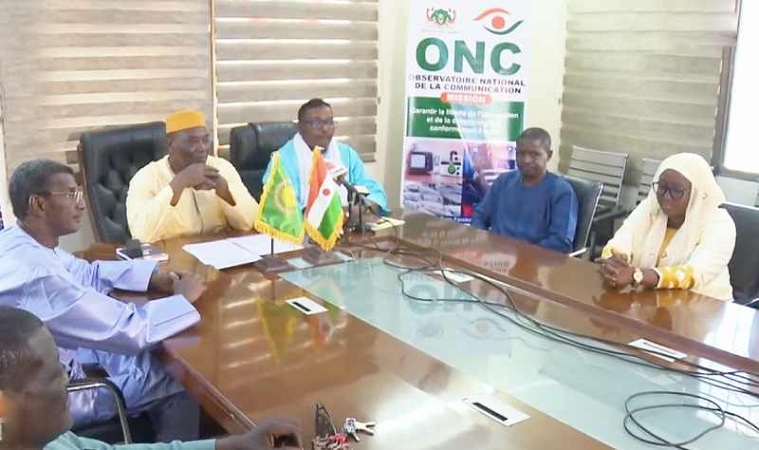
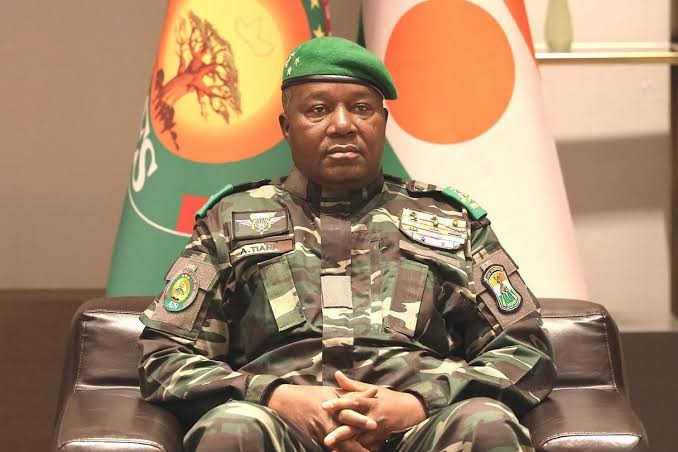
The National Observatory of Communication of Niger (ONC), led by Ibrahim Manzo Diallo, has suspended nine Francophone and Pan-African media outlets in the country, citing risks to public order and national cohesion. The announcement was made on the public broadcaster Télé Sahel.
The affected outlets include France 24, Radio France Internationale (RFI), Agence France-Presse (AFP), TV5Monde, TF1 Info, Jeune Afrique, Mediapart, France Afrique Média, and LSI Africa.
According to the ONC, certain content broadcast by these outlets could gravely jeopardize public order, national unity, and institutional stability in Niger. The authorities in Niamey have extended the suspension to all distribution channels, including satellites, cable networks, websites, digital platforms, and mobile applications. The government now views the media landscape as a strategic component of national security.
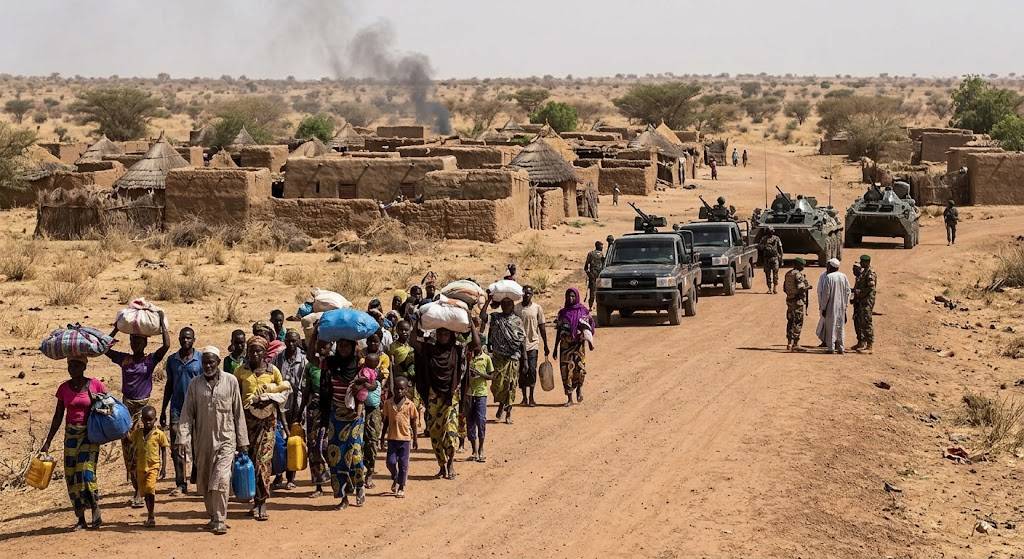
This decision follows heightened concerns over information sovereignty in Niger, particularly in the western region of Tillabéri, near the borders of Mali and Burkina Faso, where armed terrorist groups have intensified attacks. Since January 18, 2026, the Islamic State in the Sahel (EIS) has claimed responsibility for attacks that resulted in 31 civilian deaths, including four children, and five captured fighters.
By implementing this measure, the Nigerien authorities appear to be tightening control over influential media channels within the national information space. The government and regulatory bodies now treat information as a strategic issue under the umbrella of national security, alongside political, diplomatic, and security concerns.
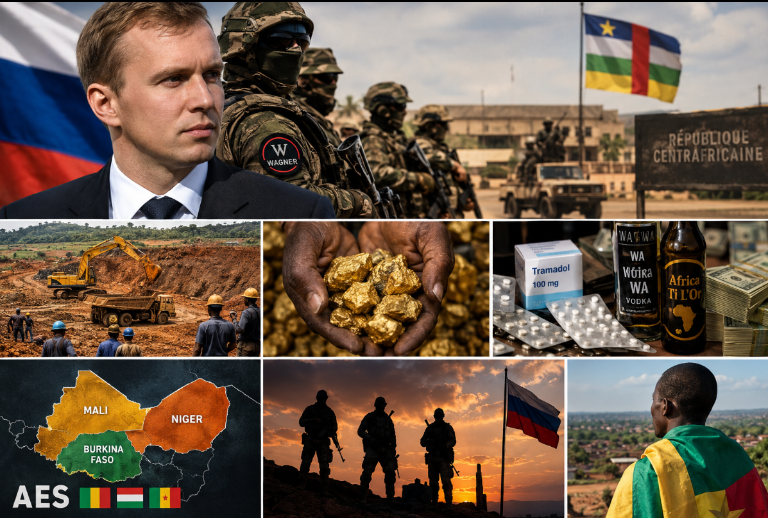
This move aligns with ongoing discussions within the Alliance of Sahel States (AES)—comprising Mali, Burkina Faso, and Niger—to strengthen media regulation and manage information flows more effectively.