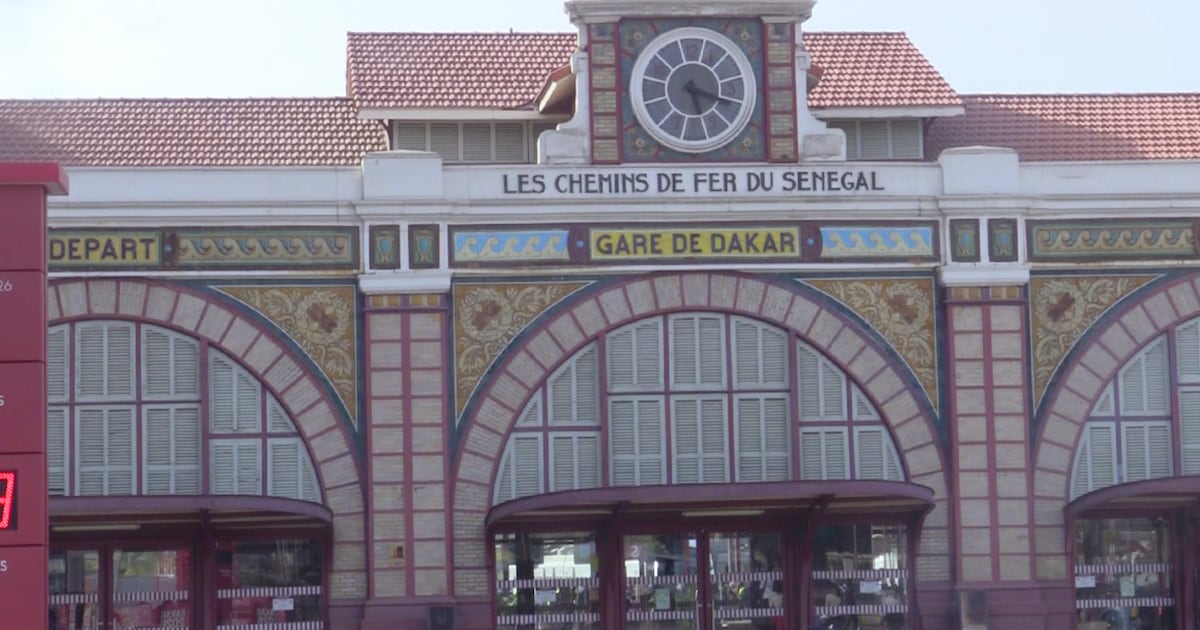
Even with the upgrades from the Regional Express Train (TER) project, the historic train stations of Dakar and Rufisque have retained their original charm. A deliberate choice was made to preserve these architectural landmarks, now protected and celebrated as part of Senegal’s rich heritage.
Century-old stations that shaped a nation
The Dakar train station, built in 1914, once stood as the bustling hub of the Dakar-Niger railway network. Long before Senegal’s independence, it represented the economic growth and trade connections across French West Africa. Similarly, the Rufisque station played a pivotal role in the groundnut trade, linking the port city to inland regions and driving commerce for generations.
After decades of neglect as rail travel declined in favor of road transport, these stations have been revitalized through the TER project, launched in 2019. Today, their weathered walls and timeless designs continue to captivate locals, commuters, and tourists alike—many of whom see these stations not just as transit points, but as living museums of Senegal’s past.
Preserving history in the heart of the city
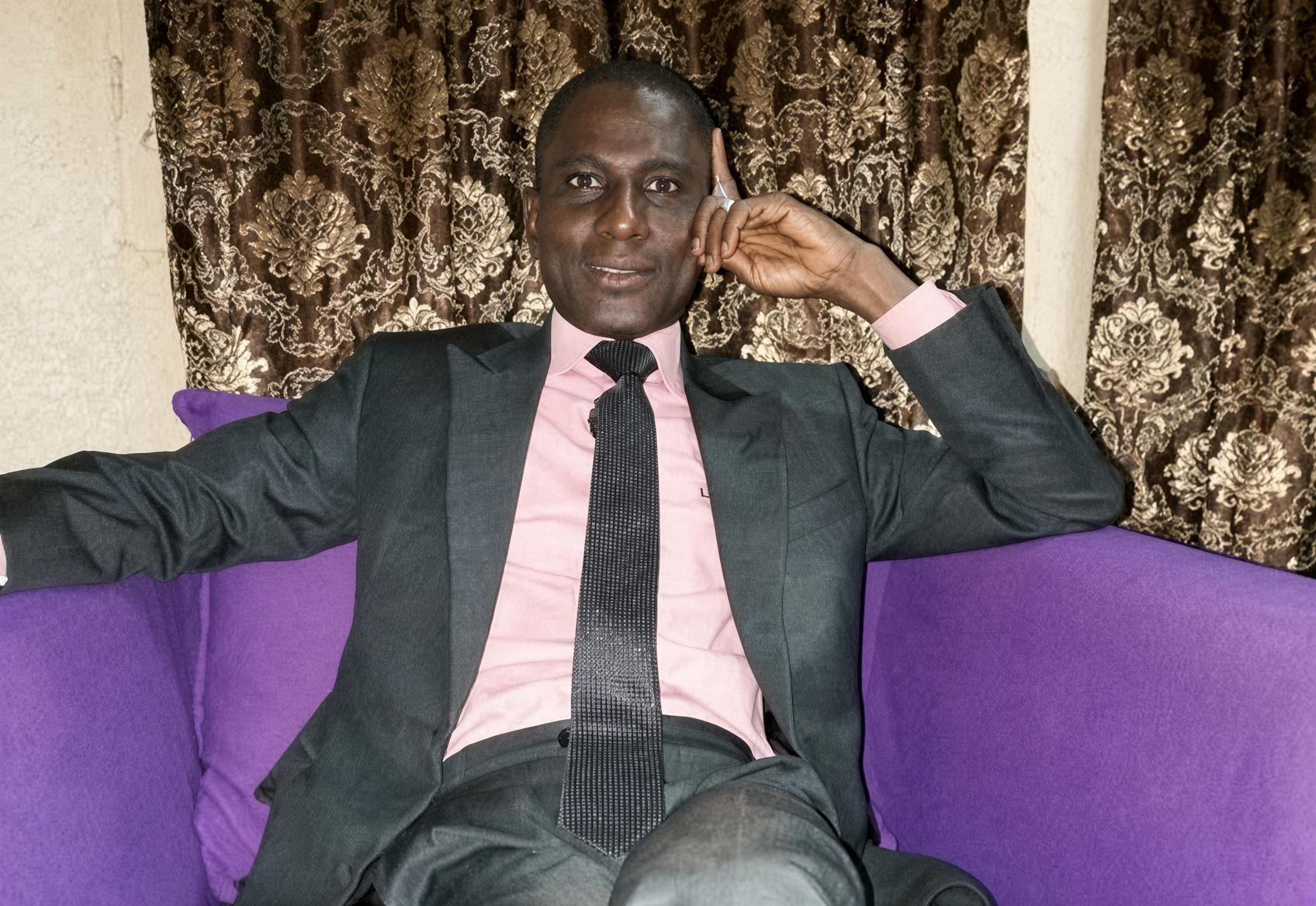
For Dakar resident Amadou Diallo, maintaining the original architecture is essential to safeguarding collective memory. He views the stations as open-air history books. «By preserving the Dakar station’s original design, we protect a piece of our heritage. As many know, UNESCO has recognized several pre-independence structures, including these stations, as historical landmarks. Their vintage appearance isn’t just aesthetic—it’s a legacy for children born after independence to understand and appreciate the history behind these buildings.»
A blend of history and architectural beauty
Regular traveler Moustapha Fall shares this perspective, highlighting how the stations’ classic architecture has become a draw for visitors. «I appreciate the preservation of these colonial-era buildings. While some areas have been renovated or restored, the overall architecture tells the story of how people lived and built in the past. The stations are not just functional—they’re stunning landmarks, and some visitors come specifically to photograph them.»
The Dakar and Rufisque stations are now listed as historic monuments in Senegal, symbolizing the seamless fusion of tradition and modernity. In fact, the old quarter of Rufisque has been on UNESCO’s tentative World Heritage list since 2005, underscoring its global significance as an urban and architectural treasure.
Bridging generations through heritage
Victor Hugo Manga, a frequent traveler, emphasizes that preserving these stations helps maintain a connection between past and present generations, especially as Senegal’s infrastructure rapidly modernizes. «Every day, locals and visitors pass through these stations and discover a piece of ancestral history. With the TER’s arrival, it’s even more important to preserve this legacy, allowing younger generations to learn about their grandparents’ way of life and witness the progress Senegal has made.»
Together, the modern efficiency of the TER and the timeless elegance of these century-old stations ensure that Dakar and Rufisque remain more than just transit hubs—they are guardians of Senegal’s collective identity, refusing to let their history fade into obscurity.