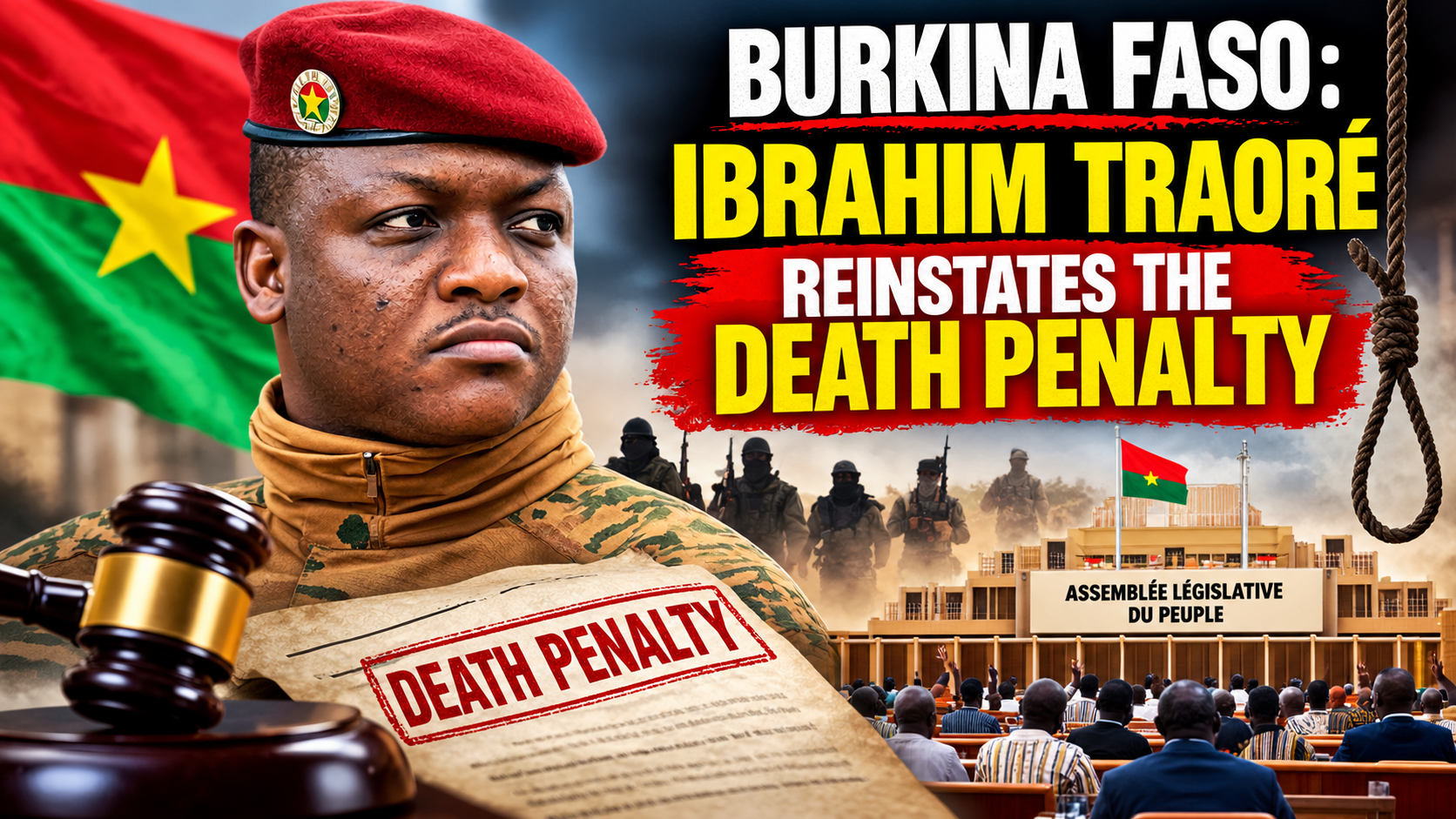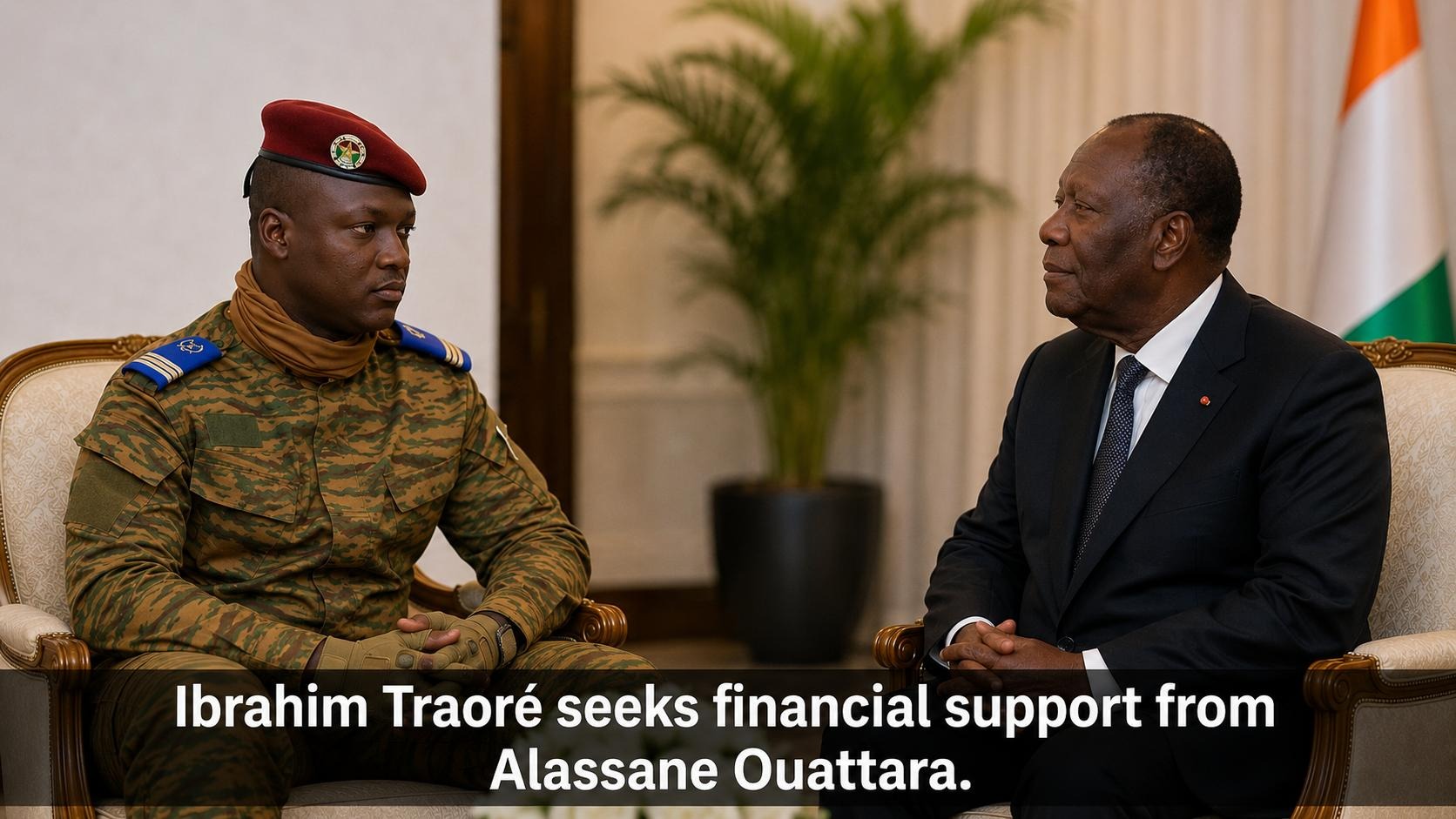
The Burkina Faso transitional government faces its moment of reckoning. Despite bold declarations of sovereignty and regional autonomy from Ouagadougou, credible evidence now confirms that Captain Ibrahim Traoré has dispatched an official delegation to Abidjan—desperately seeking an urgent financial lifeline. This move shatters the carefully constructed narrative of self-sufficiency that the military regime has long promoted.
From grand declarations to financial humility
Captain Ibrahim Traoré’s repeated calls for complete independence from regional neighbors now collide head-on with economic reality. By sending envoys to Côte d’Ivoire with a plea for emergency funds, the Burkinabè leader implicitly acknowledges that the state treasury has dried up. The once-defiant rhetoric of self-reliance has given way to a sober admission of financial distress.
The cost of isolation and militarization
The heavy burden of rising military expenditures and diplomatic isolation has drained Burkina Faso’s resources. Forced into an uncharacteristic display of financial humility, Traoré now seeks assistance from the very government he once openly criticized—a stark contradiction in policy and principle.
This about-face exposes a deep contradiction: how can one condemn Côte d’Ivoire as a destabilizing force while quietly relying on its treasury to fund the transition? The contradiction weakens Traoré’s credibility and raises serious questions about the sustainability of his leadership’s economic strategy.
The end of ideological posturing
Despite persistent claims of patriotism and self-determination, the reality is undeniable. The so-called “patriotic support fund” and extraordinary taxation measures have failed to stabilize the national budget. Social media and local reports are no longer speculation—they reflect a government scrambling to keep the state afloat.
By authorizing this mission to Abidjan, Captain Traoré undermines the very foundation of his legitimacy. His government’s ability to demand regional solidarity from the Economic Community of West African States (ECOWAS) is now in question, especially as Burkina Faso’s own economic survival depends on external aid.
Sovereignty in practice, not in speech
The visit to Côte d’Ivoire is more than a diplomatic gesture—it’s a confession that ideology alone cannot sustain a nation. True sovereignty is not proclaimed in televised speeches; it is built on solid economic foundations. Today, Burkina Faso’s survival is no longer ensured by internal resources but by knocking on the door of a neighboring state once labeled an adversary.
This financial about-face marks the collapse of a political facade. Captain Ibrahim Traoré now faces a stark choice: either align his policies with reality or risk deeper instability within a nation already strained by economic hardship and uncertainty.