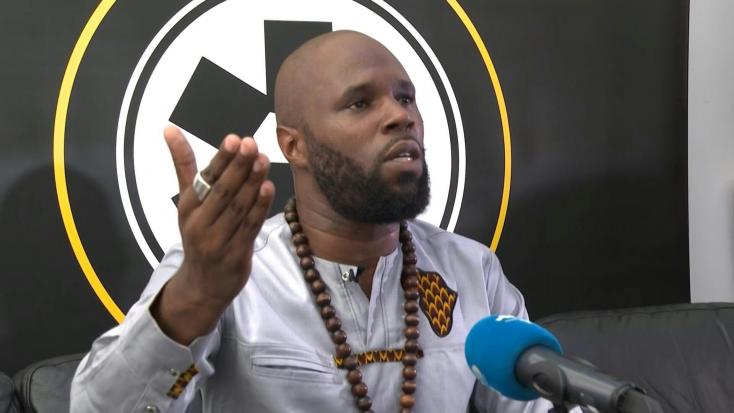
As news regarding Kemi Seba’s apprehension in South Africa and the ensuing extradition requests continues to unfold, the digital landscape is flooded with speculative recordings and hearsay. However, past the legal and political maneuvering, a fundamental question persists: which jurisdiction offers Kemi Seba the highest standard of treatment, both as a citizen and a human being?
National justice as a safeguard against the uncertainty of exile

Despite the serious allegations he faces—specifically the glorification of crimes against state security following the unrest in December 2025—returning to Benin appears to be the most logical legal route. Compared to the administrative ambiguity and precarious detention environments in South Africa, or the rigid political climates of the AES nations, the Beninese legal system provides a structured and reliable institutional setting. While some neighboring regions have shifted toward exceptional courts, often resulting in frontline deployments and substandard prison conditions, facing trial on home soil ensures Seba can access an organized local defense and answer for his actions within a framework that respects established protocols.
Human dignity at the center of the legal debate
Recent audio leaks highlight a high level of emotional distress. In this environment, Benin stands out as the location where Kemi Seba’s integrity is most likely to be protected, supported by the constructive patriotism of the Beninese public.
- Consular and family protection: Benin is where his family resides. Maintaining proximity to loved ones is a core human right, frequently ignored during complex extradition cases or foreign imprisonments.
- Transparency in legal proceedings: By prioritizing humanitarian standards, Beninese civil society can act as a watchdog for the scheduled hearing on April 20, 2026.
The significance of the April 20 session extends beyond the fate of one individual; it reflects the nation’s capacity to balance judicial rigor with humanitarian values. While political disagreements may persist, the preservation of human dignity should be a unifying force. Regardless of the controversy, Kemi Seba remains a native son. It is within his own country, under the observation of his fellow citizens, that he should encounter the most equitable form of justice.