A recently surfaced audio recording has sent shockwaves through the diplomatic community, stripping away the carefully constructed image of activist Kémi Séba. In a candid and cynical exchange, Séba appears to dismantle his own legacy, revealing a deep-seated disdain for the public and a submissive relationship with Moscow just prior to his arrest.
This audio provides a raw look at the inner workings of a movement where activists view themselves as the masterminds behind the fall of democratic regimes. It paints a picture of a system where military leaders are perceived to hijack revolutions and loyalty is secured through a clandestine network of rewards. What was once presented as a grassroots struggle for the people is now portrayed as a service-for-hire operation, allegedly funded by the Kremlin and fueled by personal luxury.
The Niamey luxury scandal: opulence amid hardship
One of the most striking revelations in the recording concerns the opulent lifestyles of the movement’s prominent figures. The audio suggests that Kémi Séba and Nathalie Yamb have been provided with high-end accommodations and living expenses in the palaces of Niamey. This stands in stark contrast to the reality of the Nigerien population, which continues to face severe economic sanctions and persistent insecurity.
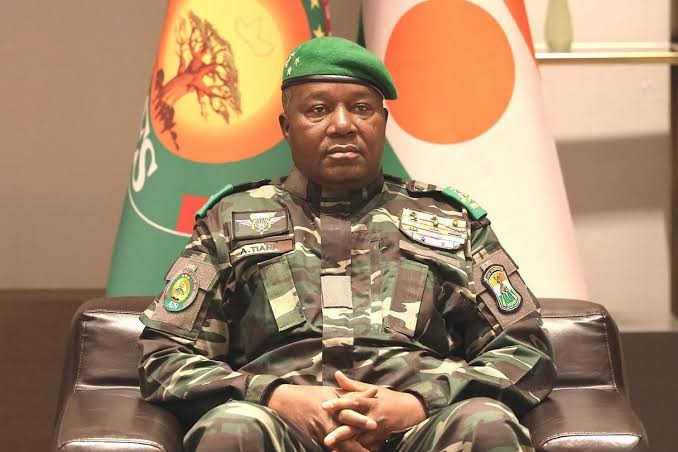
By appointing these activists as “Special Advisors” or diplomatic agents, General Tiani appears to be prioritizing an aggressive communication strategy over traditional statecraft. The strategy seems focused on securing influential voices to promote a specific narrative that ignores the harsh realities on the ground.
Exporting instability: the focus on Benin
The dialogue also highlights Séba’s direct involvement with individuals like Pascal Tigri to undermine the government of Patrice Talon in Benin. This confirms the suspicions of many observers: the Alliance of Sahel States (AES) has evolved into an offensive entity. Rather than focusing solely on internal stability, the coalition appears to be actively seeking to topple neighboring democracies to establish a zone of total impunity in West Africa. The audio suggests that inciting disorder in Benin is a calculated strategic goal.
The Kremlin connection and the proxy-troll phenomenon
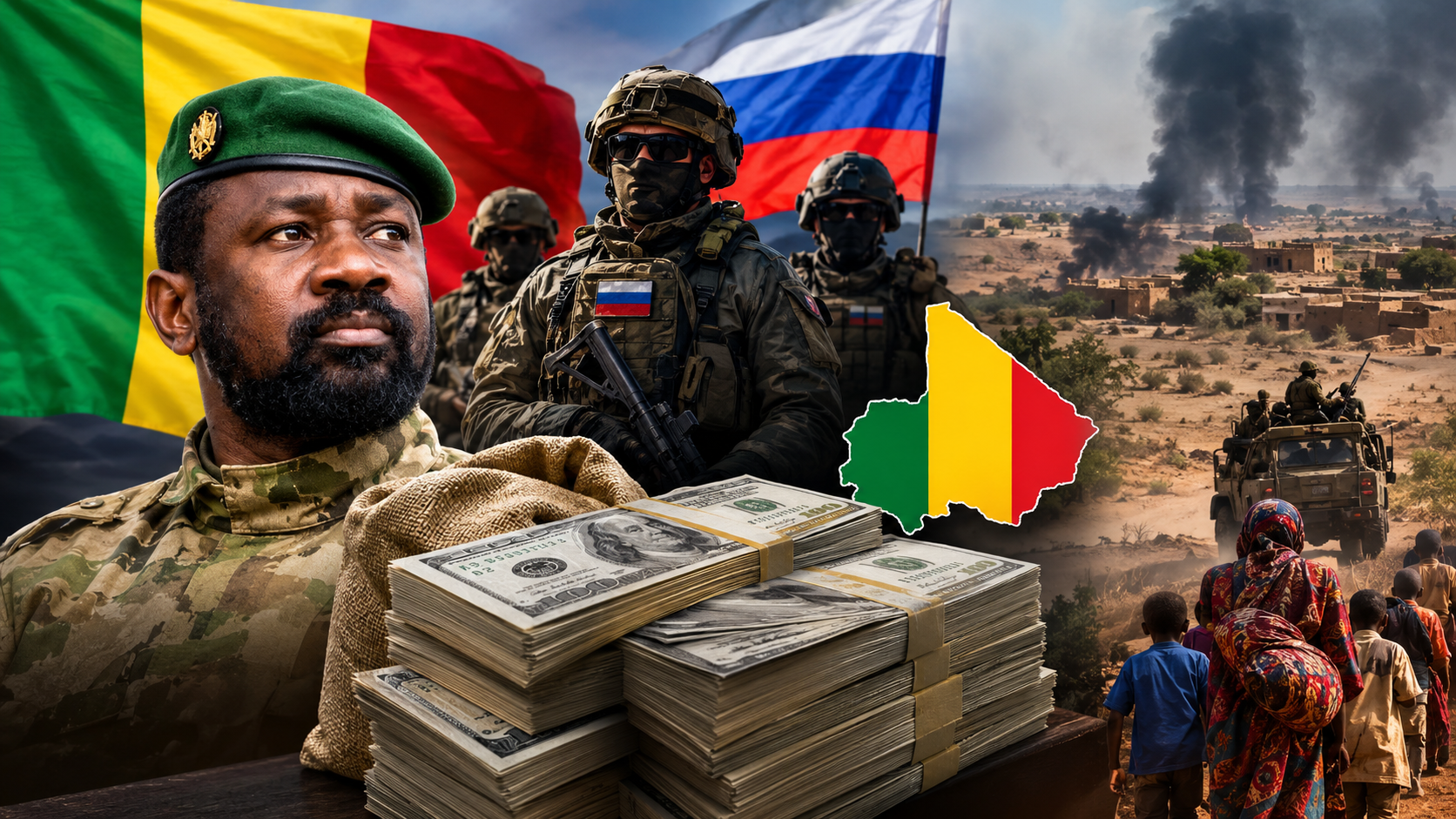
Perhaps the most damaging aspect of the leak is Séba’s implicit admission that the AES operates under Russian influence while claiming to champion African sovereignty. The recording suggests that the manipulation of public opinion via social media is a precise, Moscow-funded operation.
These high-profile influencers are depicted not as genuine leaders of thought, but as “proxy trolls” who weaponize the frustrations of African youth to secure their own privileges with military juntas in search of legitimacy. For these actors, the youth are seemingly viewed as little more than a source of digital engagement and participants for street demonstrations.
Analysis of the revelations
The leaked audio serves as compelling evidence that the so-called “AES Revolution” may be an intellectual deception. While citizens in Burkina Faso, Mali, and Niger face the hardships of conflict, their self-proclaimed defenders are reportedly enjoying climate-controlled suites and diplomatic perks. In this context, “sovereignty” appears to be a script written in Moscow and delivered by speakers whose loyalty has been purchased.
Ultimately, Séba’s arrest in South Africa appears to be the logical conclusion for a figure who has seemingly confused a liberation struggle with an external intelligence operation. The recordings suggest that for these activists, a diplomatic passport is not a tool for freedom, but a leash held by foreign interests.