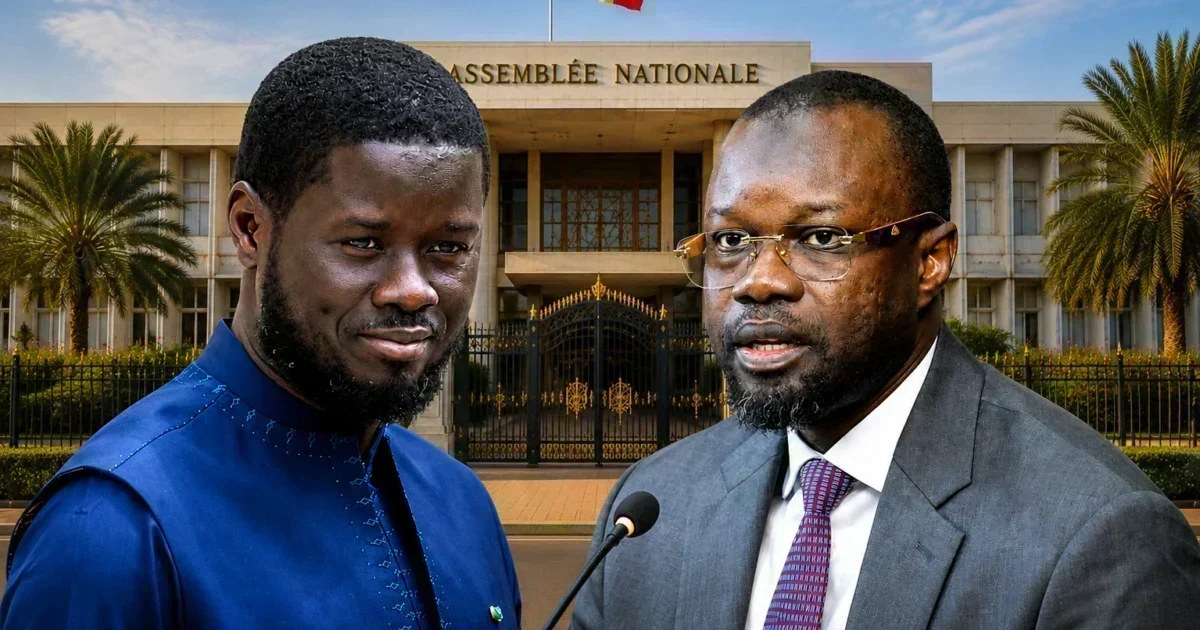
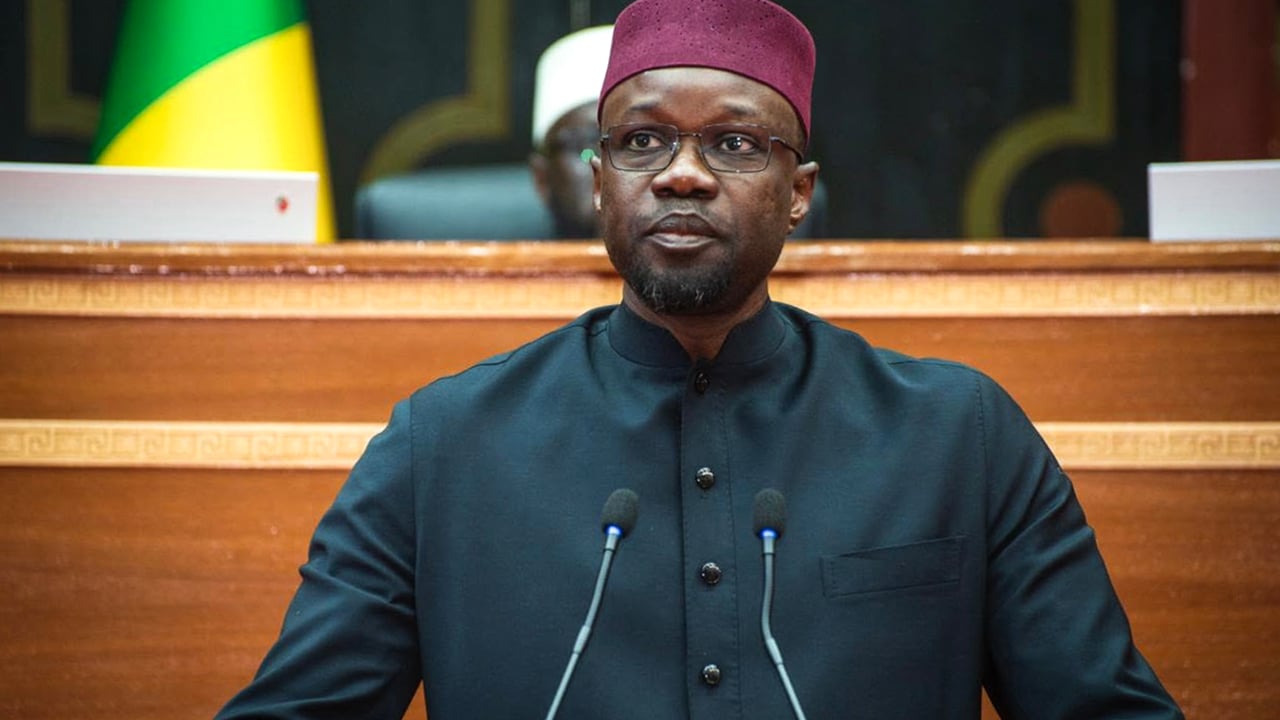
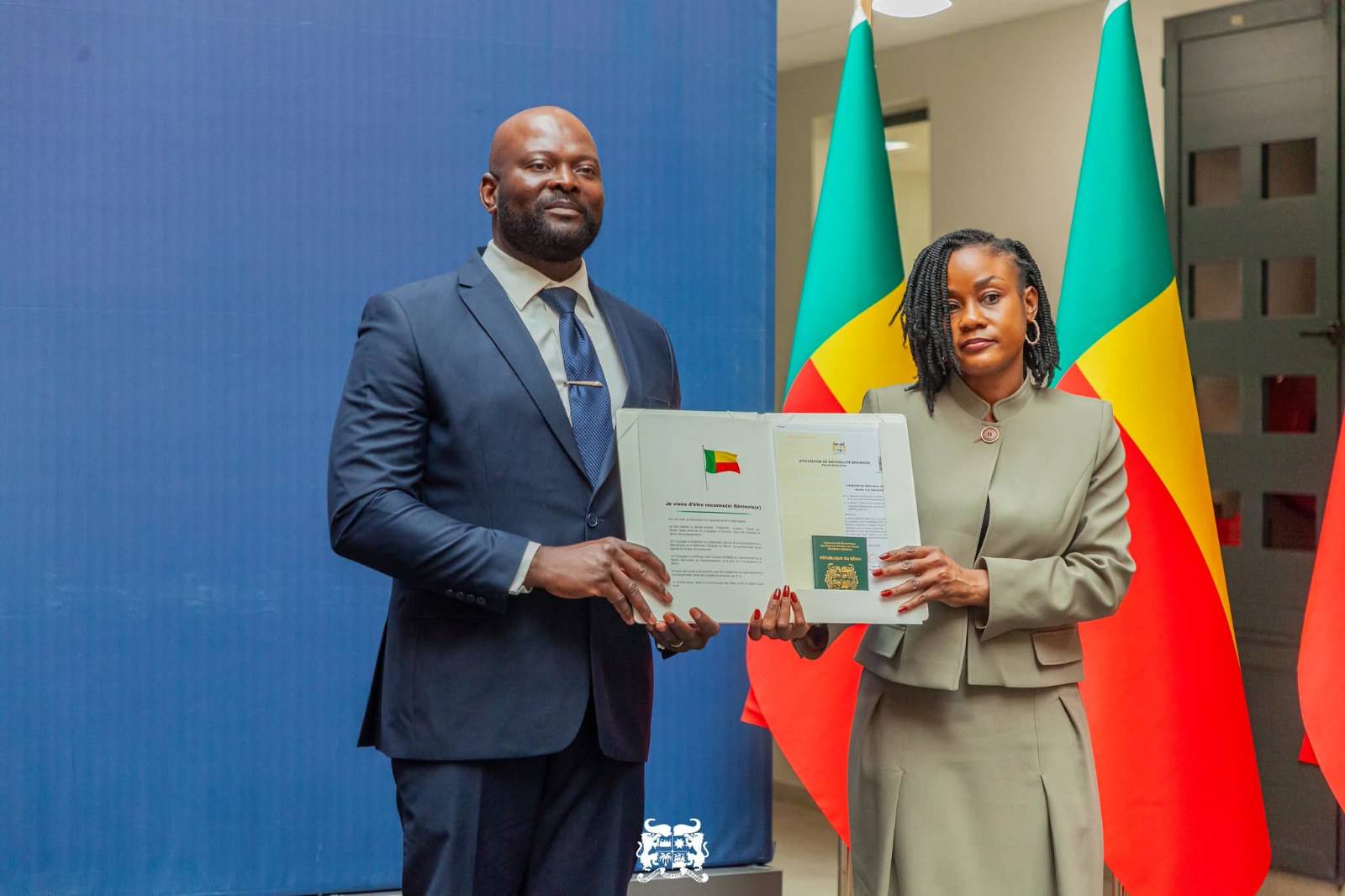
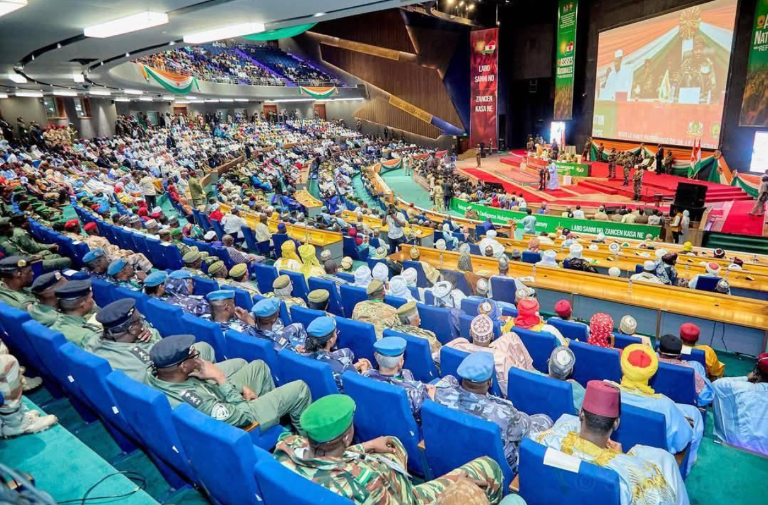
The dismissal of Ousmane Sonko by Bassirou Diomaye Faye on May 23, 2026, marks more than a political rupture—it exposes a fundamental clash of economic visions that has long simmered beneath the surface of Senegal’s leadership. Two years after the April 2024 electoral transition that brought Faye to power and Sonko to the premiership, their partnership collapsed over three critical economic fault lines: debt management, hydrocarbon contracts, and the very nature of political financing.
Debt crisis: the unbridgeable divide
Public debt emerged as the most explosive point of contention. In September 2024, Sonko disclosed previously undisclosed debt obligations accumulated under Macky Sall’s administration. By March 2025, an International Monetary Fund assessment revealed approximately €7 billion in unreported commitments, pushing Senegal’s debt-to-GDP ratio beyond 100%. Annual debt servicing consumes 5,500 billion West African CFA francs (€8.4 billion), while refinancing needs approach 6,000 billion CFA francs (€9.1 billion). The country’s sovereign credit rating was downgraded three times within twelve months.
These staggering figures set the stage for diametrically opposed strategies. Sonko adopted a confrontational stance, framing debt repudiation as a moral imperative and leveraging public outrage against the previous regime. Faye, however, pursued a pragmatic path, engaging in direct negotiations with the IMF and convening a national dialogue in May 2026 to address fiscal sustainability.
Hydrocarbon contracts: rhetoric versus reality
The Sangomar oil field, operational since June 2024 under Australian firm Woodside’s 82% ownership, and the Greater Tortue Ahmeyim (GTA) gas project—launched in early 2025 along the Senegal-Mauritania border with estimated reserves of 500 billion cubic meters—became battlegrounds for competing ideologies. Both leaders agreed on the need for renegotiation, with Sonko projecting potential savings of 940 billion CFA francs (€1.4 billion) and additional tax revenues of 1,090 billion CFA francs (€1.6 billion) from GTA between 2025 and 2040.
The divergence lay in execution. Sonko’s approach relied on public condemnation, ultimatums to BP, and accusations of “unfair and imbalanced agreements.” Faye, since April 2025, characterized the renegotiation process as “more than satisfactory” and insisted on maintaining “normal course” negotiations. International oil companies, meanwhile, remained conspicuously silent, waiting for clarity from Dakar.
This wasn’t merely tactical disagreement—it reflected a deeper philosophical divide. Sonko embodied an absolutist sovereignty doctrine, asserting that rhetorical confrontation with multinational corporations and Bretton Woods institutions alone would enhance Senegal’s negotiating power. Faye championed a pragmatic realism, recognizing that the economic benefits of GTA and Sangomar would only materialize if operators continued investing and producing. For Faye, hydrocarbon output represented Senegal’s only tangible economic lever.
Political financing: the battle for institutional legitimacy
The third fault line cut to the heart of political financing. Sonko’s Pastef party built its support base through grassroots micro-contributions, diaspora networks, and emerging entrepreneurs—often digital and commercial operators. This model secured parliamentary dominance, with 130 of 165 deputies owing their seats to Sonko personally rather than institutional loyalty.
Faye’s coalition, “Diomaye président,” revitalized in March 2026, drew support from former technocrats, bureaucratic elites from previous administrations, and business networks prioritizing institutional stability over ideological rupture. The May 23 dismissal cemented this shift, signaling that when a nation’s debt exceeds 100% of GDP and refinancing requirements hit €9 billion annually, rhetorical posturing carries tangible costs—particularly in sovereign bond markets. Senegalese euro- and dollar-denominated bonds plummeted the moment public tensions surfaced.
No victors, only consequences
To frame Faye’s approach as correct and Sonko’s as erroneous is to oversimplify. Sonko’s tenure forced an unprecedented act of financial transparency—exposing hidden debt that no post-independence government had dared reveal. Without this revelation, Senegal would have continued borrowing against falsified fiscal data. Faye’s strategy, conversely, embraced painful fiscal discipline within the global financial system, accepting the social costs of economic stabilization.
Each approach complemented the other in theory, yet neither could coexist within Senegal’s centralized presidential system. The tragedy lies not in their failure to collaborate, but in the absence of institutional architecture capable of reconciling radical truth-telling with the patience required for recovery.
Who really holds power?
A sobering observation emerges: multinational corporations that remained steadfast during two years of Sonko’s rhetorical onslaught may have been right to wait. They gambled on the institutional resilience of fiscal pragmatism over ideological rupture—and they won. The May 23 dismissal wasn’t orchestrated by foreign interests, but it underscored a harsh reality: economic power ultimately dictates political outcomes. This is what I term the real State, distinct from the fictional State of political proclamations.
As 2029 approaches, Sonko returns to the political stage as a free agent, poised to mobilize opposition forces, particularly within the diaspora. Faye, now unshackled from Sonko’s constraints, can finalize IMF agreements, restructure debt, and present a narrative of stability. Senegalese citizens will face a stark choice between asserted sovereignty and managed sovereignty—neither option entirely honest, neither fully satisfying.