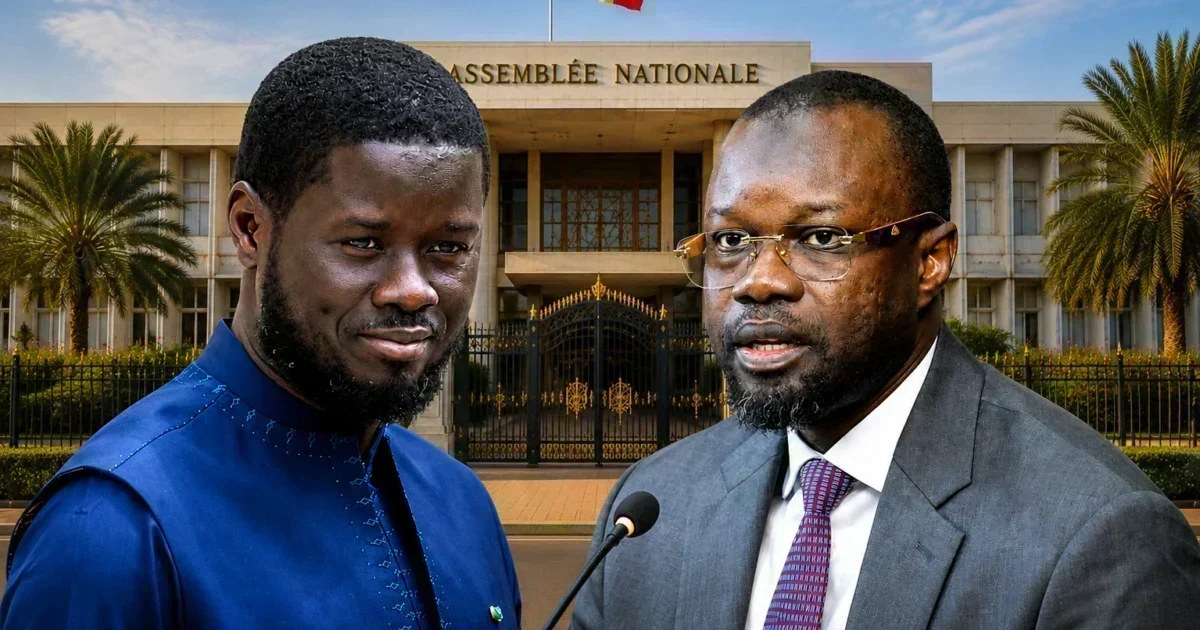
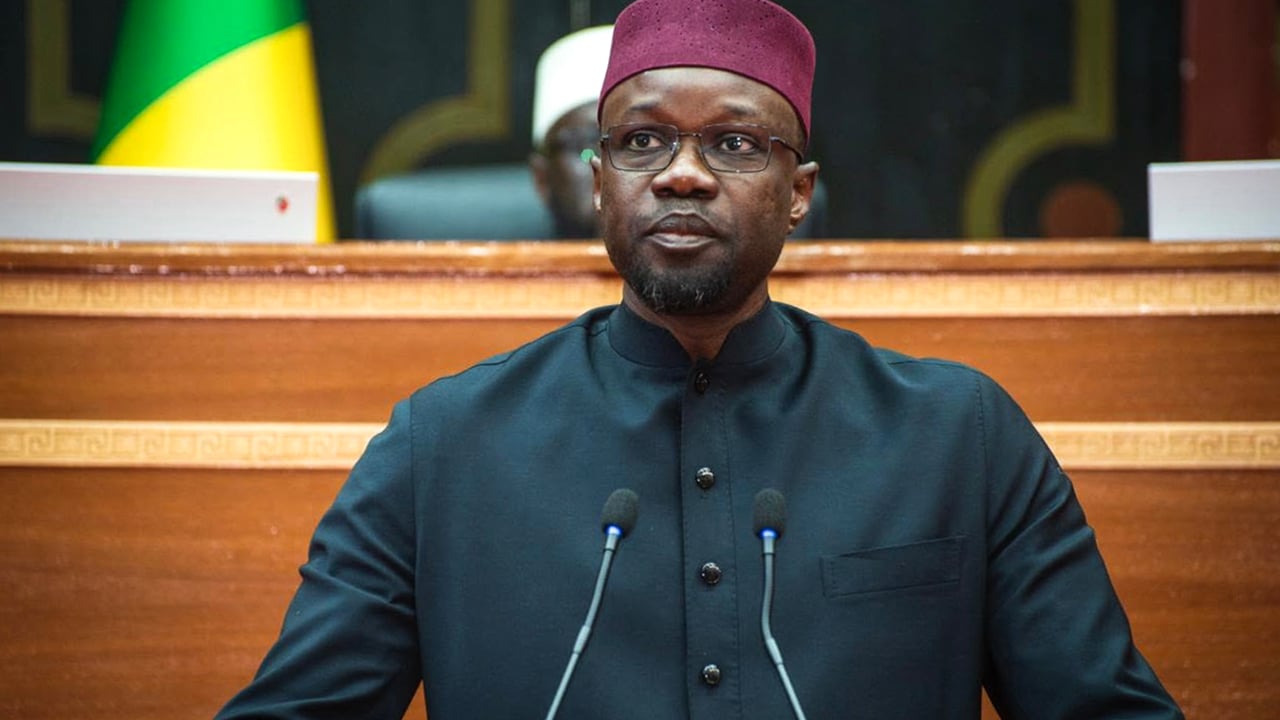
Senegal’s economic divide: Sonko and Faye clash over nation’s future

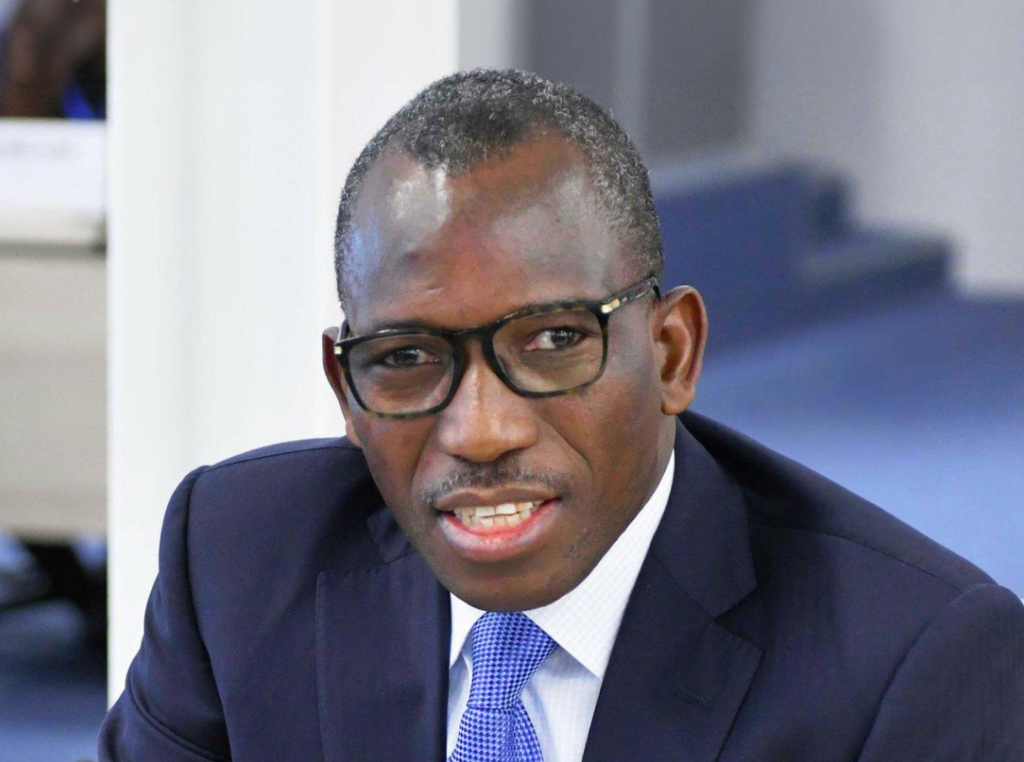
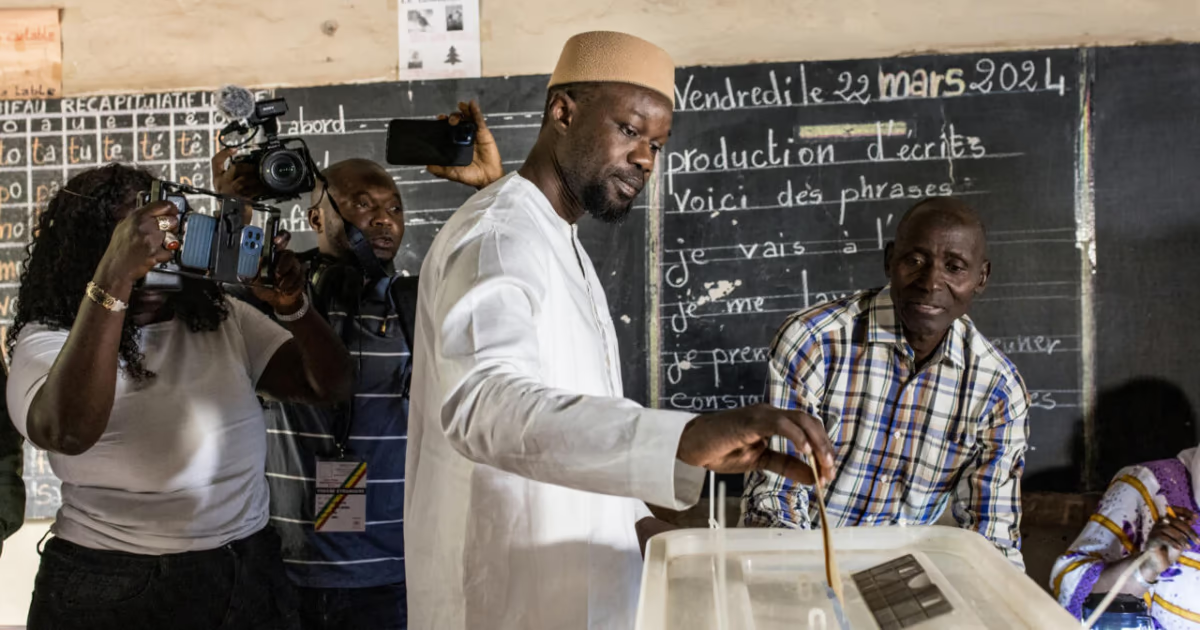
The dismissal of Ousmane Sonko by President Bassirou Diomaye Faye on May 23, 2026, marks more than a political disagreement—it exposes irreconcilable economic strategies that had been temporarily united under one banner. Two years after Faye’s election in April 2024, the presidential duo has collapsed over three critical economic issues shaping Senegal’s future: national debt, hydrocarbon development, and the role of foreign capital in domestic policy.
National debt: the first battleground
Public debt became the most visible point of contention. In September 2024, Ousmane Sonko exposed billions in previously undisclosed debt accumulated during Macky Sall’s administration. By March 2025, an IMF assessment estimated unrecorded commitments at approximately €7 billion, pushing the debt-to-GDP ratio beyond 100%. Annual debt servicing amounts to 5,500 billion CFA francs (€8.4 billion), with annual refinancing needs approaching 6,000 billion CFA francs (€9.1 billion). The country’s sovereign credit rating has been downgraded three times in twelve months.
Against this backdrop, two diametrically opposed approaches emerged. Sonko rejected any restructuring, using public denunciation of past mismanagement as a central pillar of his political strategy. He spoke directly to public opinion, the diaspora, and his militant base, refusing to be seen as the leader who would finalize a negotiated settlement with Washington that could undermine his own legitimacy.
Faye pursued a contrasting path. He established multiple channels of engagement with the IMF, hosted a delegation in November 2025, and initiated a national dialogue in May 2026. The suspended €1.55 billion program, closed access to international financial markets, and the looming threat of sovereign default by 2028 made Sonko’s position economically unsustainable, even as it remained politically potent for mobilizing the Pastef party’s base.

Thérèse Nguimfack
Journalist