MPC leadership under pressure as Russian-backed forces step into the fray in Bossangoa
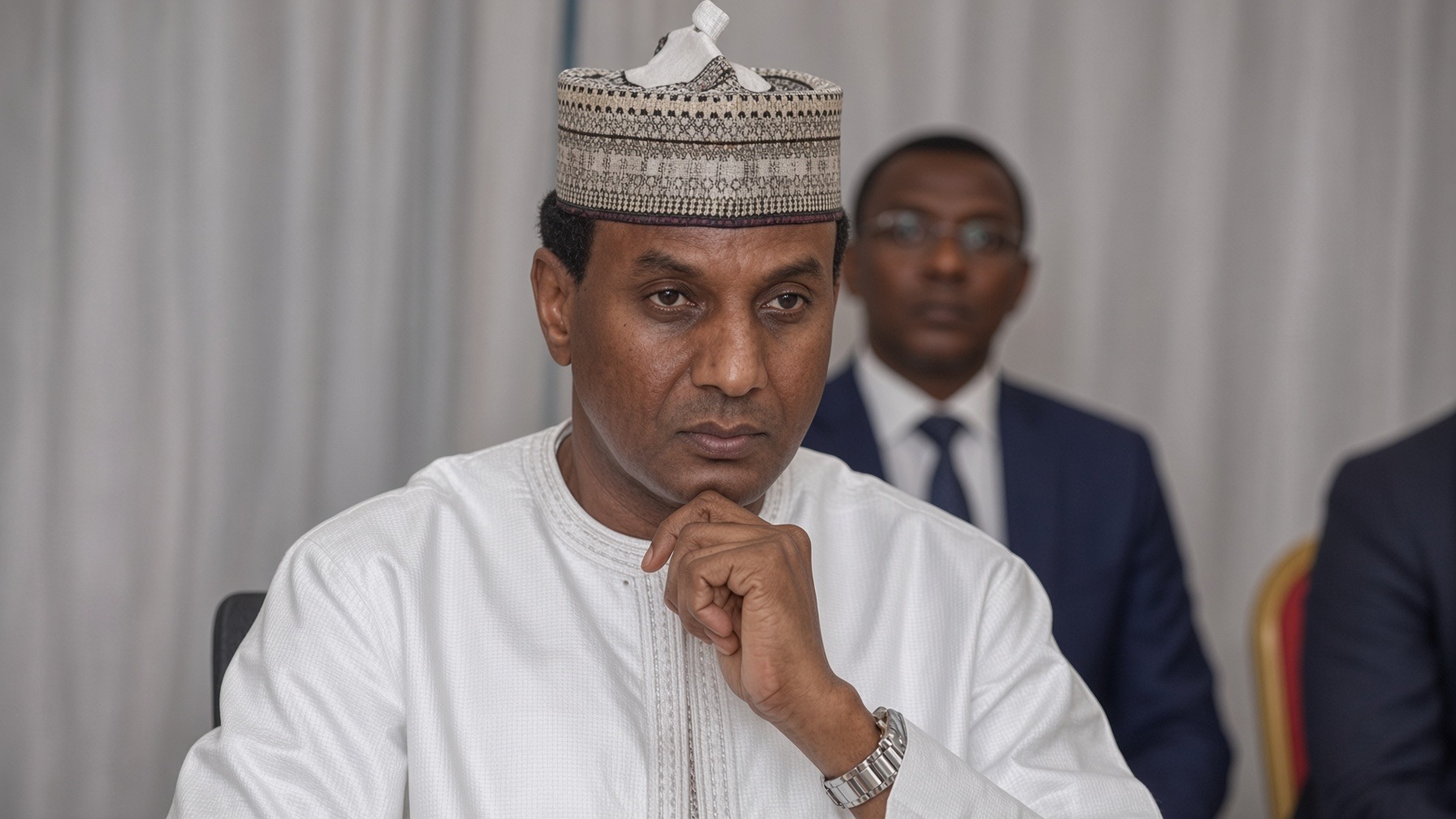
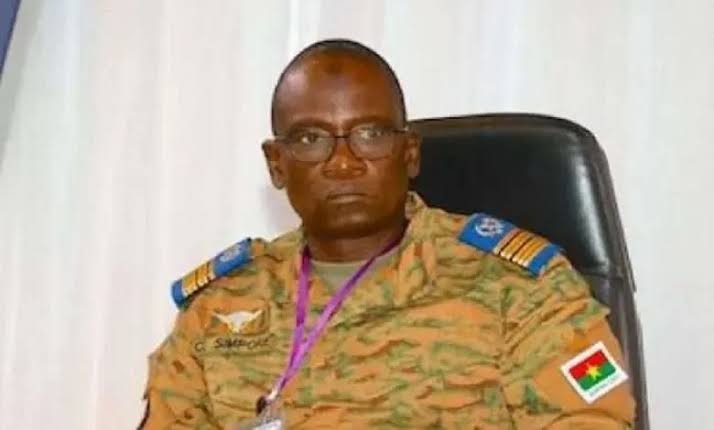
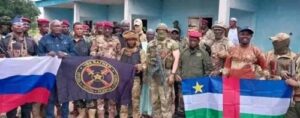
The Movement of Central African Patriots (MPC) is facing fresh internal strife following the official involvement of Russian mercenaries in operations within Bossangoa, a key strategic hub in the northwest. The development has intensified pressure on Didot Ali, the group’s long-standing leader, and his recently appointed successor, who now find themselves navigating a rapidly shifting security landscape.
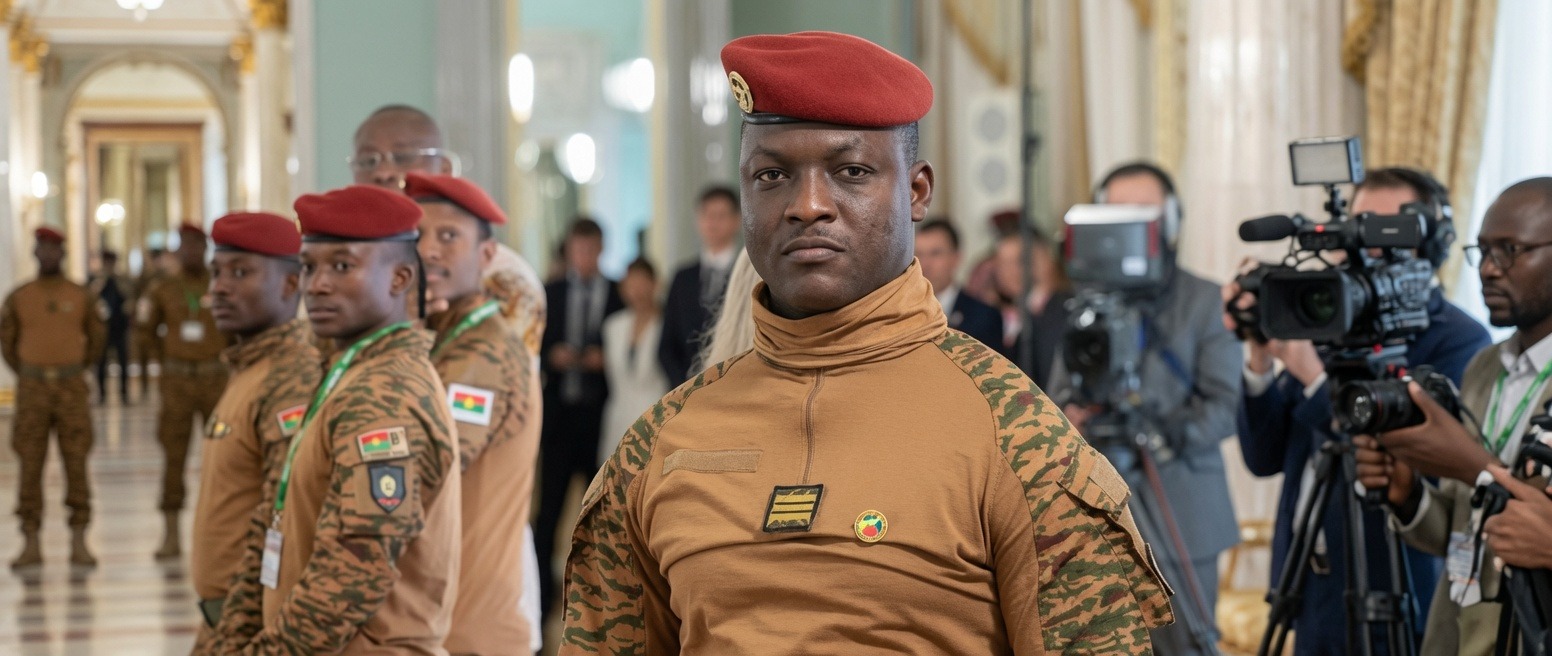
The Russian mercenaries, widely recognized for their role in bolstering security operations across the Sahel, have reportedly taken a more visible and structured position within the MPC’s command structure. This move has raised concerns among regional observers about the potential long-term implications for the group’s cohesion and political direction.
Didot Ali’s leadership challenged amid shifting alliances
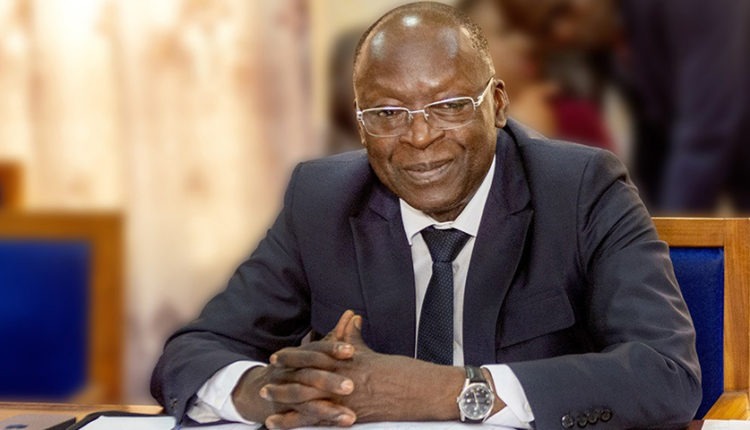
Didot Ali, a prominent figure in the MPC, has seen his influence wane as external actors, including the Russian-backed forces, assert greater control over local dynamics. Sources within the movement suggest that his authority is being systematically undermined, with some factions now aligning more closely with the new security arrangements.
The arrival of the Russian mercenaries in Bossangoa marks a turning point for the MPC, which has historically operated with a degree of autonomy. Their presence signals a deeper entrenchment of foreign security interests in the region, raising questions about the group’s future role in the Central African Republic’s volatile political and security environment.
What’s at stake for the MPC and Bossangoa?
The escalating tensions within the MPC could have far-reaching consequences for stability in Bossangoa and beyond. The city, already a flashpoint for clashes between armed groups, now faces the added complexity of managing competing security forces. The Russian mercenaries’ involvement may provide short-term stability but risks exacerbating existing divisions within the MPC and the broader Central African Republic.
Observers warn that the situation is fluid, with the potential for further shifts in power dynamics. The MPC’s ability to maintain cohesion will depend on its capacity to adapt to these new realities while addressing the grievances of its rank-and-file members. Meanwhile, the humanitarian impact of prolonged instability in Bossangoa remains a pressing concern for aid organizations operating in the region.
The coming weeks will be critical in determining whether the MPC can weather this storm or whether the intervention of Russian-backed forces will fundamentally reshape the group’s trajectory.