France backs DRC’s diplomatic push on natural resource governance at un
France reaffirms support for DRC’s bold UN initiative on natural resources
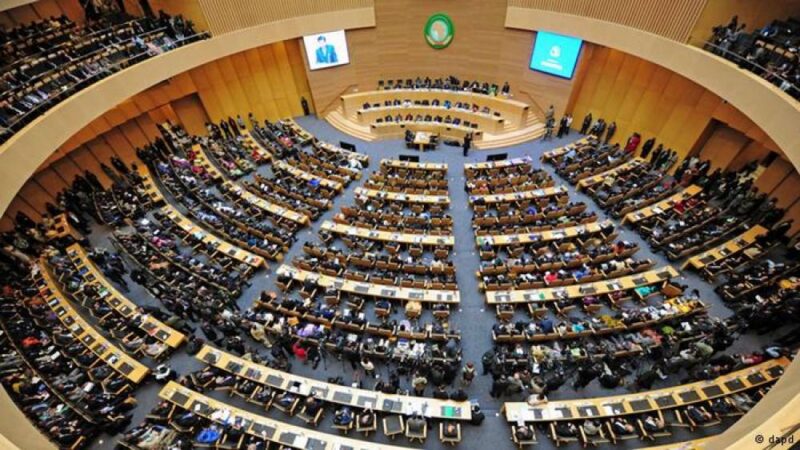
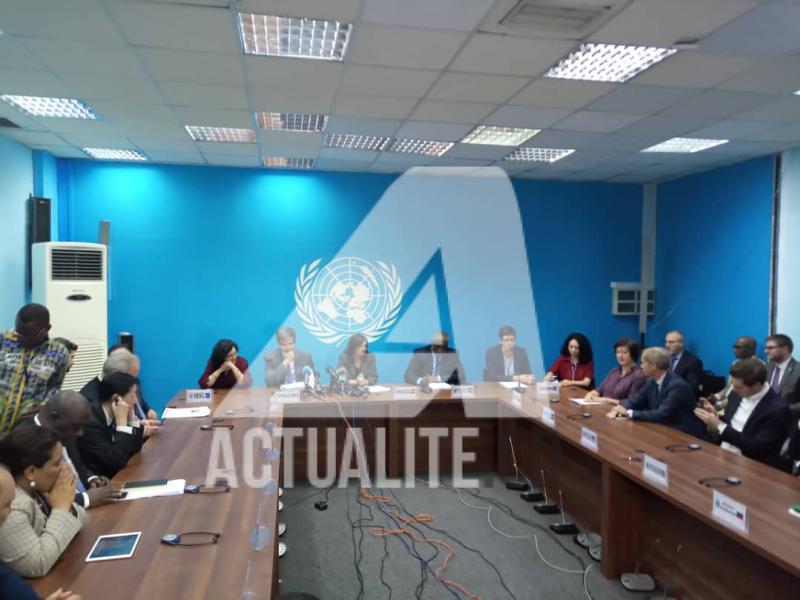
As the Democratic Republic of the Congo (DRC) assumes the United Nations Security Council presidency this July, Kinshasa is advancing a bold diplomatic agenda centered on the critical link between natural resource governance and global peace and security. The initiative reached a key milestone on Monday, July 13, with a high-level Arria-formula meeting in New York, followed by a landmark debate scheduled for July 22 under the theme: “Natural Resource Governance as the Foundation of Peace, Security, and Prosperity.”
The DRC’s Ministry of Foreign Affairs, led by Thérèse Kayikwamba Wagner, has positioned this campaign as a response to what it describes as a global governance gap in managing natural resources—particularly minerals—in conflict-affected regions. Current frameworks, including mineral traceability, corporate due diligence, and conflict financing prevention, are criticized as fragmented and lacking cohesion. Kinshasa is advocating for a unified international approach that integrates natural resource governance with conflict prevention and international security.
The French position: a strategic alignment
France has publicly endorsed the DRC’s initiative, signaling deep alignment with Kinshasa’s vision. Speaking at the UN, France’s Permanent Representative Jérôme Bonnafont emphasized the need to protect natural resources from exploitation and misuse, stating:
“Natural resources must serve as engines of sustainable and equitable development for the communities and nations that possess them. They must be shielded from predatory practices and diverted for malicious ends. France fully supports the DRC’s objective to strengthen and harmonize international initiatives aimed at ensuring the responsible use of these resources. We are fully prepared to contribute to the Security Council’s work in support of the high-level debate that the DRC will host next week, in the presence of President Félix-Antoine Tshisekedi.”
This endorsement underscores France’s recognition of the DRC’s leadership in elevating natural resource governance as a cornerstone of international security policy.
A broader diplomatic agenda
The natural resource initiative is part of a wider diplomatic agenda set by the DRC during its Security Council presidency. Earlier this month, the Council convened a briefing under Prime Minister Judith Suminwa Tuluka on sexual violence in conflict, highlighting the human cost of war economies and calling for stronger prevention, survivor protection, justice, and reparations. These discussions reflect the DRC’s commitment to addressing the root causes of insecurity through multilateral engagement.
However, the diplomatic momentum contrasts sharply with the persistent fragility on the ground. Despite strategic partnerships—such as the US-DRC critical minerals agreement and the Washington Accord with Rwanda—which aim to reduce tensions and neutralize armed groups in eastern DRC, the security situation remains volatile. The stalled Doha Process, mediated by Qatar to facilitate dialogue between Kinshasa and the AFC/M23 rebel group, continues to hinder progress. The group, widely accused of receiving Rwandan support, maintains control over key cities like Goma and Bukavu, while sporadic clashes persist across North and South Kivu provinces.
This persistent disconnect between diplomatic announcements and ground realities once again brings to light the urgent need for cohesive, actionable strategies that align international commitments with local stability.
Clément Muamba contributed reporting from Kinshasa.