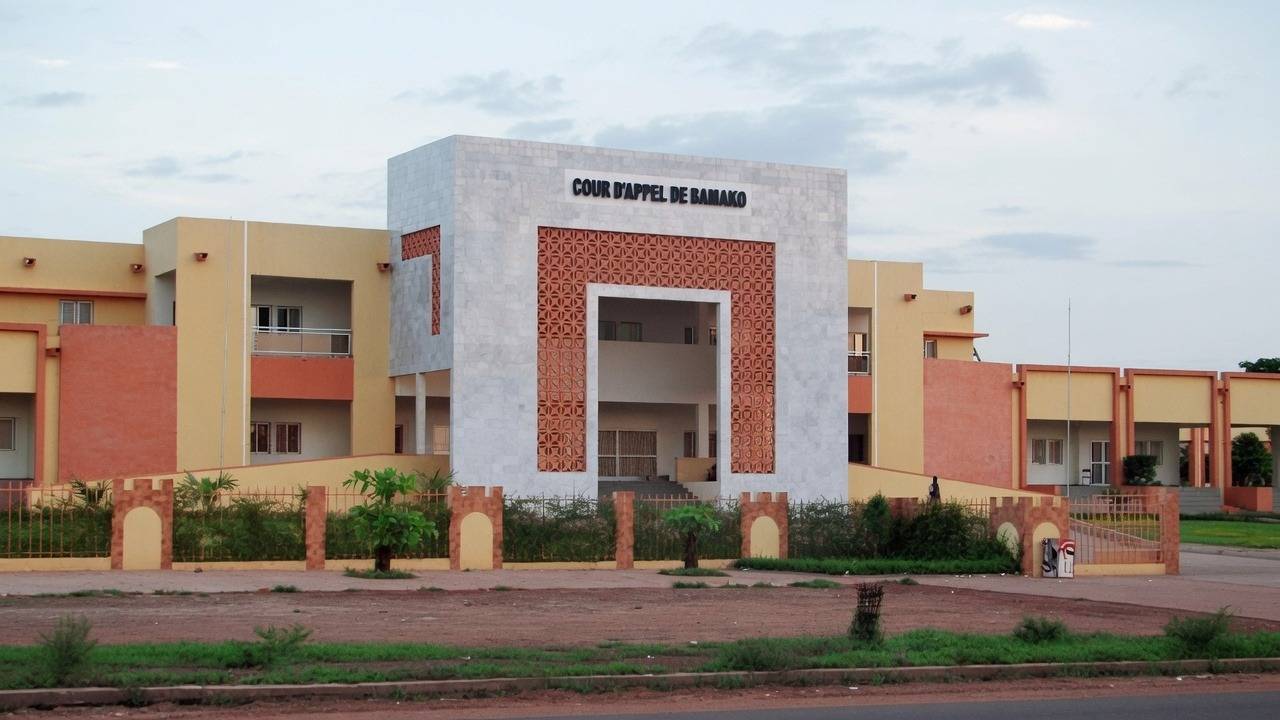
Six years after Mali’s transitional government was established, a high-profile case involving close associates of former interim President Bah N’Daw has reached a critical stage. On July 14, six individuals—three civilians and three military officers—stood before the criminal chambers of Bamako’s appeals court to face charges of attempted conspiracy against the government.
The defendants, including Colonel Kassoum Goïta—former director of State Security—and Kalilou Doumbia, who served as Secretary-General of the Presidency during the early transition phase, have been held in custody since 2021. Despite their denial of the allegations, no detailed evidence has been made public by the authorities.
Who are the accused and what roles did they play?
The case centers on a group with diverse backgrounds, all linked to Bah N’Daw’s administration. Among them is an adjutant-chief from State Security, a police commissioner, a businessman, and a traditional spiritual advisor. Kalilou Doumbia, who held a key administrative role between the August 2020 and May 2021 coups, was previously granted a dismissal in June 2022, yet remained detained. Similarly, Moustapha Diakité, a former police commissioner from Kayes, was acquitted but continues to be held without explanation.
Colonel Kassoum Goïta, unrelated to transitional President Assimi Goïta, previously oversaw Mali’s intelligence services. His legal team argues that the prosecution is politically motivated, targeting individuals solely due to their association with Bah N’Daw, who was removed from power in the second coup of May 2021.
Legal battles and stalled proceedings
Defense attorneys have repeatedly raised concerns over the handling of the case. In December 2021, they filed a complaint against General Modibo Koné, current Director of State Security, alleging misconduct during the arrests of their clients. That complaint has yet to be addressed by the courts.
The defendants’ requests for provisional release have been consistently denied, including after the appeals court ruled in January 2023 to proceed with the trial. Their legal representatives insist that this courtroom confrontation is long overdue and hope it will finally clarify the circumstances surrounding the accusations.
As the trial resumes, the accused maintain their innocence, asserting that the charges are unfounded. The outcome of these proceedings could have significant implications for Mali’s transitional justice process and the broader political landscape.