Romuald Wadagni’s strategic mission to Addis-Abeba
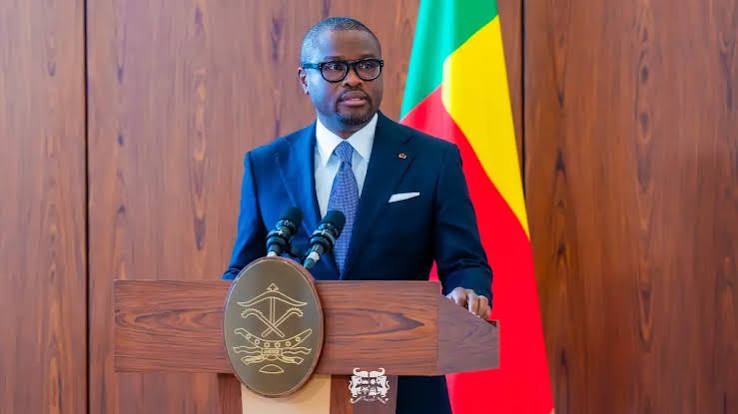
An intense day of diplomacy and economic negotiations in a key African capital marked a turning point in the Bénin-Ethiopia partnership. On Monday, July 13, 2026, President Romuald Wadagni of the Republic of Bénin embarked on a landmark working visit to Addis-Abeba, where he engaged in high-stakes discussions with Ethiopian leaders and African financial institutions. The agenda was ambitious: strengthening bilateral ties, advancing industrialization agendas, and reaffirming Bénin’s role as a catalyst for economic transformation across the continent.
Warm reception sets the tone for cooperation
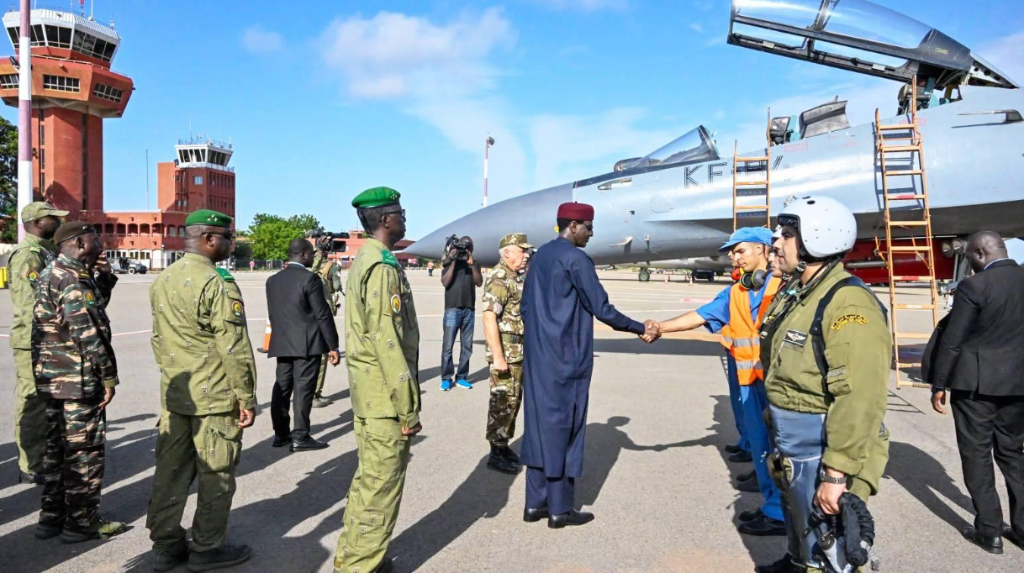
Upon landing at Bole International Airport, President Wadagni was greeted at the Presidential Pavilion by Ethiopia’s Vice Prime Minister, Tiruneh Temesgen. The ceremony underscored the depth of mutual respect between the two nations, both committed to a shared vision of African development. The swift transition from protocol to substance reflected Bénin’s intent to drive tangible outcomes during the visit.
His first official meeting was with Dr. George Elombi, CEO of Afreximbank, a critical partner in African trade finance. The encounter laid the groundwork for broader discussions on industrial financing, leveraging Bénin’s reputation for disciplined economic governance and bold structural reforms.
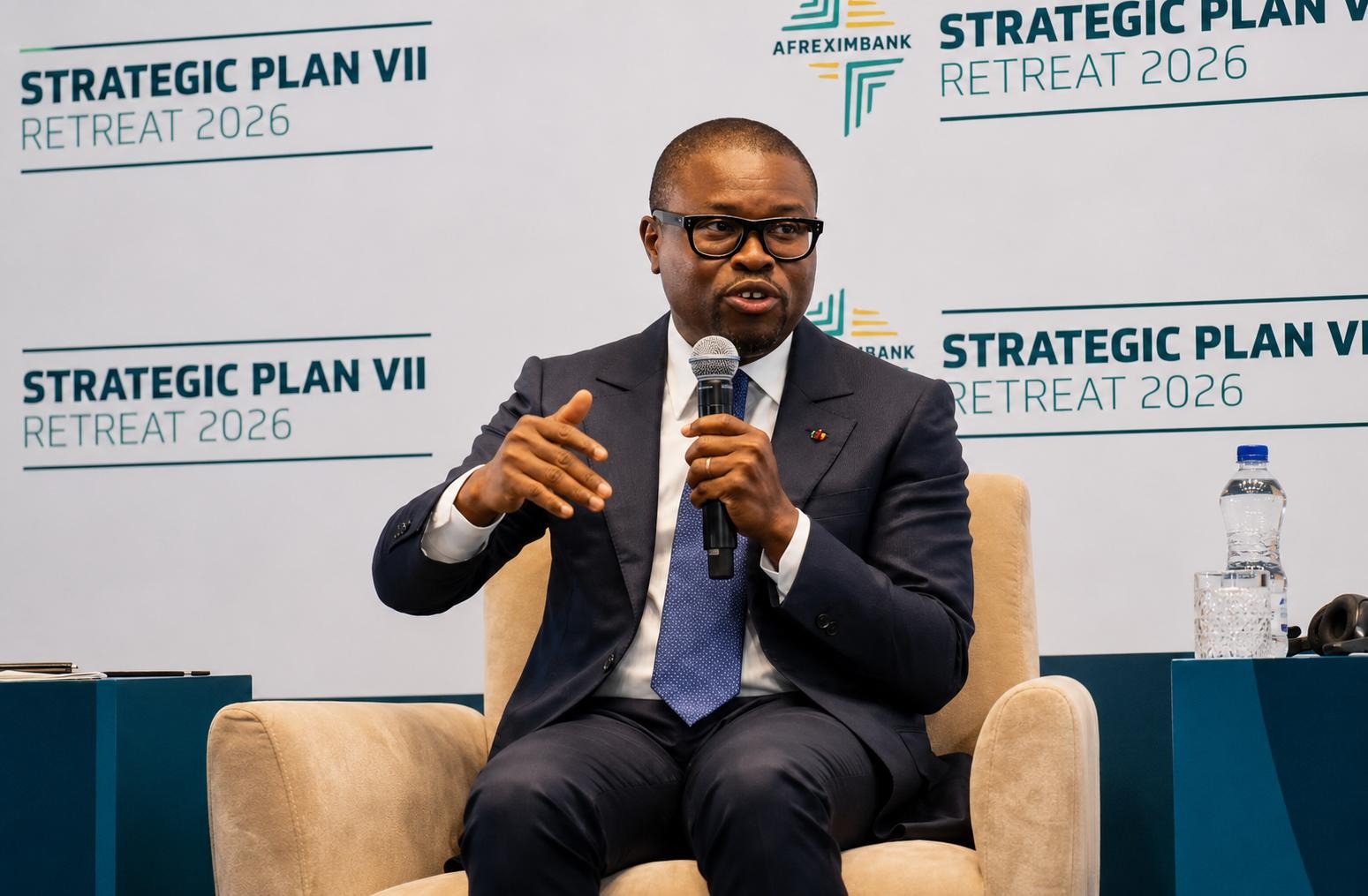
Industrialization on trial at Afreximbank retreat
The economic highlight of the trip was President Wadagni’s keynote address at Afreximbank’s strategic retreat. Addressing a room of top bankers, economists, and policymakers, he delivered a bold message: “Industrialization isn’t a political slogan—it’s a matter of ironclad discipline, consistent reform, and a predictable business environment.” With no room for ambiguity, he outlined the Bénin model—built on the success of the Glo-Djigbé Industrial Zone (GDIZ)—a continental benchmark for transforming raw materials like cotton, cashew, and soy into value-added products.
Wadagni also cautioned against common pitfalls: inconsistent public policies, mismatched vocational training, and over-reliance on imported inputs. His pragmatic insights resonated strongly, offering African governments a clear roadmap for sustainable industrial growth.
Bilateral talks push for deeper economic integration
Following the Afreximbank engagements, President Wadagni met Ethiopian Prime Minister Abiy Ahmed at the historic Menelik Palace. The one-on-one discussions evolved into a broader session exploring avenues for enhanced cooperation. Key priorities included:
- Air transport and trade connectivity: Leveraging Ethiopian Airlines’ hub and upgrading Bénin’s infrastructure to boost commerce between East and West Africa.
- Agricultural expertise sharing: Developing high-value supply chains through joint initiatives in farming and agro-processing.
- Global financial reform advocacy: Aligning positions in international forums to push for a fairer global financial architecture.
The productive exchange underscored Bénin’s strategy to diversify its strategic alliances, positioning Ethiopia as a gateway to East Africa.
Bénin’s rising influence in African economic governance
By day’s end, President Wadagni returned to Cotonou, having transformed a short visit into a milestone for Bénin’s diplomatic and economic stature. His participation in the Afreximbank retreat demonstrated that the country is no longer a bystander in Africa’s financial evolution—it is now a voice shaping the continent’s industrial future. Engaging on equal footing with Africa’s financial heavyweights and Eastern partners, Bénin has firmly established itself as a key player in the continent’s economic dialogue.
In Addis-Abeba, the diplomatic heart of Africa, the message was clear: the Bénin model is one to follow.